
While Tesla is looking to test and expand its Robotaxi concept this summer, the technology that predated its autonomous driving platform just took a major loss.
Earlier this month, a Florida jury ruled that the family of Naibel Benavides and crash survivor Dillon Angulo were entitled to an award that could total as much as $243 million after George McGee crashed his Tesla into a vehicle they were standing outside of in 2019.
McGee testified that he had Autopilot engaged when he killed the 22-year-old Benavides, but his eyes were off the road while he looked for the cellphone he had dropped.
Related: Tesla faces another lawsuit after $323 million Autopilot verdict
While Tesla argued that data showed McGee had his foot on the accelerator, overriding Autopilot, in the moments before his vehicle crashed at over 60 mph, the jury found Tesla 33% responsible for the crash.
Tesla is expected to appeal the verdict, but attorney Brett Schreiber, who represented the plaintiffs, is already taking a victory lap.
After uploading a celebratory Instagram post after the verdict, Schreiber gave an in-depth interview to The Verge detailing the impact of the jury’s decision.
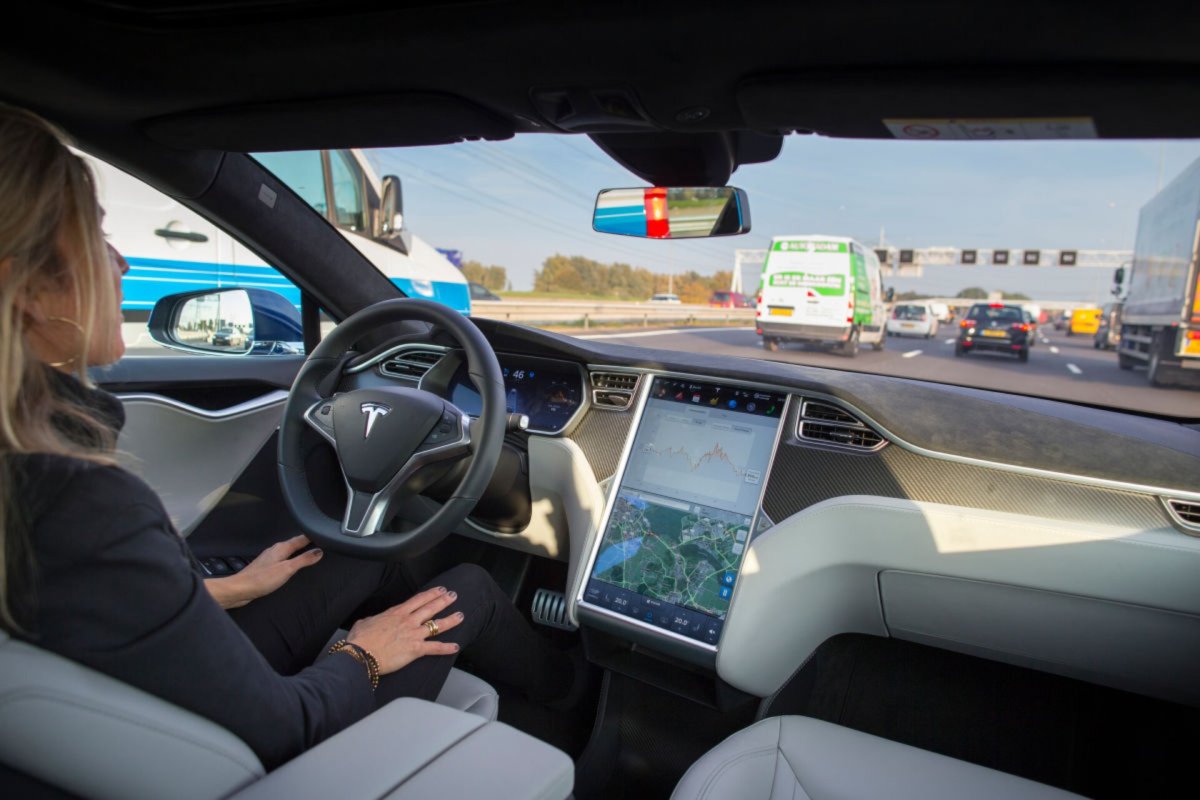 Tesla Autopilot was found 33% responsible in a recent crash lawsuit.
Image source: Juinen/Bloomberg via Getty Images
Tesla usually avoids Autopilot litigation, but this case was different
It came up during The Verge’s interview with Tesla Autopilot lawsuit litigator Brett Schreiber that the company doesn’t often take lawsuits like this to court.
Tesla has a track record of either settling Autopilot death lawsuits or outright winning them.
Tesla approached Schreiber with a settlement offer, but the plaintiffs turned it down.
Related: Tesla Robotaxi pulls ahead of Waymo in San Francisco
“Well, I mean, they did make an overture to settle the case, and for a very large sum of money. Now, it was a fraction of the verdict, but the condition of the settlement was that it would be secret. And my clients were not interested in a secret settlement,” Schreiber said.
Schreiber says the case hinged on the gap between what Tesla promised Autopilot could do and its actual capabilities.
There is a difference between the Tesla that is presented in the showroom and the Tesla in the courtroom, according to Schreiber.
More automotive:
- Toyota is stuck in neutral after the latest US and Japan trade update
- General Motors has an unlikely ally in race against China
- US car buyers should expect great summer deals, but there’s a catch
“Tesla in the showroom tells you that they’ve invented the greatest full self-driving car the world has ever seen. Mr. Musk has been peddling to consumers and investors for more than a decade that the cars are fully self-driving and that the hardware is capable of full autonomy. And those statements were as untrue the day he said them as they remain untrue today,” Schreiber said.
“But then they showed up in a courtroom and they say, ‘No, no, no, this is nothing but a driver assistance feature.'”
Tesla lawsuit used Elon Musk’s words against the company
Elon Musk has developed a reputation for overpromising during Tesla earnings calls and then underdelivering.
The $40,000 Cybertruck, Tesla Cybercab, and Model Y redesigns all represent promises made, and broken, by Musk in recent years.
Schreiber seized on this during his arguments.
“[Musk] says these things for a reason. He says this to create this idea in the public’s mind that these cars are more than they really are,” according to Schreiber.
“He makes these comments going back to 2015. Autonomous driving is a solved problem. They are safer than humans. It will stop for anything. It knows if there’s something metal and something dense in front of it, it should stop. It doesn’t matter if it’s an alien spaceship, he said. And we played all of those because that aligns with the law.”
Related: Tesla faces ‘unprecedented’ downturn in one key area