
A well-known U.S. mattress retailer is warning that it may not be able to sustain operations if financial pressures continue to mount.
The U.S. mattress manufacturing industry’s revenue declined 0.6% in 2025, according to IBISWorld.
Shipments in 2026 are expected to increase about 2%, slowing from stronger growth in 2024, followed by low single-digit growth in 2027, according to Bed Times Magazine.
After several years of decreasing demand, store closures, and ongoing losses, the company says it could be forced to significantly reduce operations or pursue bankruptcy protection within the next year if conditions do not improve.
While management has launched a turnaround strategy and is negotiating with lenders, the company acknowledges that these efforts may not be enough to stabilize its finances.
Founded in 1987, Sleep Number is a personalized sleep wellness company that designs smart mattresses. It has more than 1,000 patents and operates over 600 stores nationwide.
Sleep Number warns about potential bankruptcy
Sleep Number Corp (SNBR) has warned that it could face serious financial consequences if current challenges persist.
In its 2025 Form 10-K filing, the company said it may be forced to terminate, significantly curtail or cease operations, pursue strategic alternatives, or file for Chapter 11 bankruptcy within the next year.
The mattress maker said weakening consumer sentiment and broader economic pressures are hurting demand for its products.
“Adverse changes in general economic conditions and consumer sentiment have reduced, and could continue to reduce discretionary consumer spending and, as a result, have adversely affected and could continue to adversely affect the company’s sales, profitability, cash flows, availability of credit, and financial condition,” stated the company in its filing.
Because Sleep Number sells premium mattresses and sleep technology products, its business is heavily dependent on discretionary spending. When consumers cut back on large purchases, the impact can quickly affect sales, profitability, and cash flow.
The company warned that declining revenue could also limit its ability to service debt or secure additional financing.
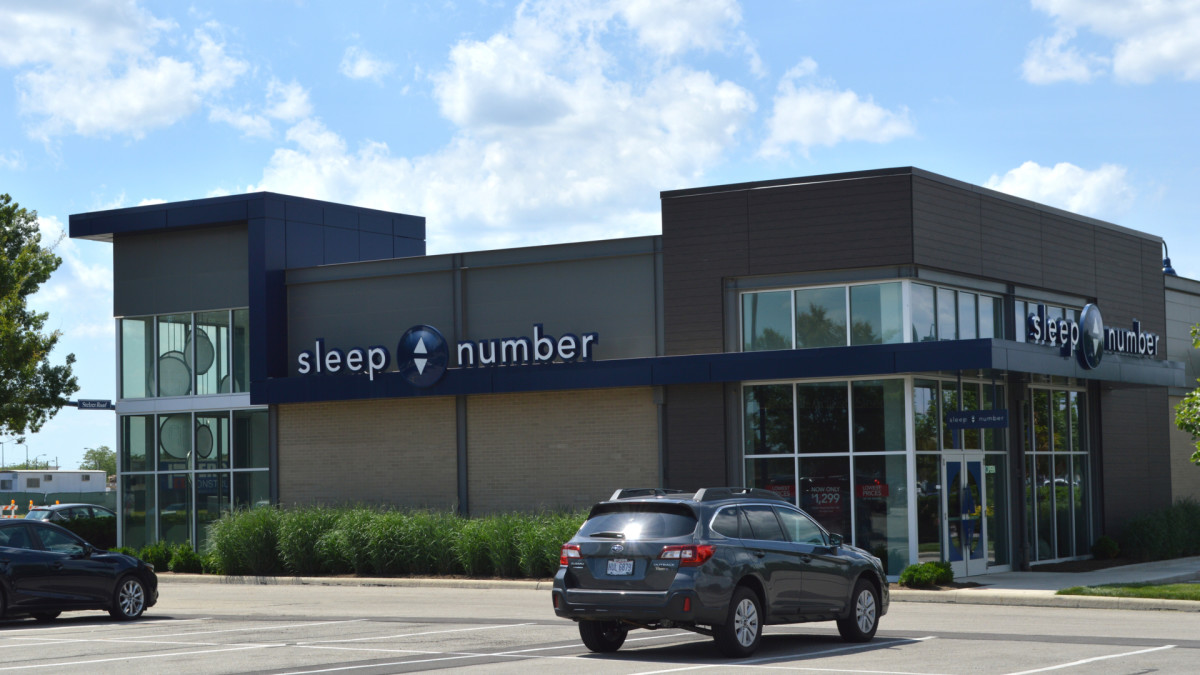 Sleep Number warns about possible Chapter 11 bankruptcy in the next 12 months.
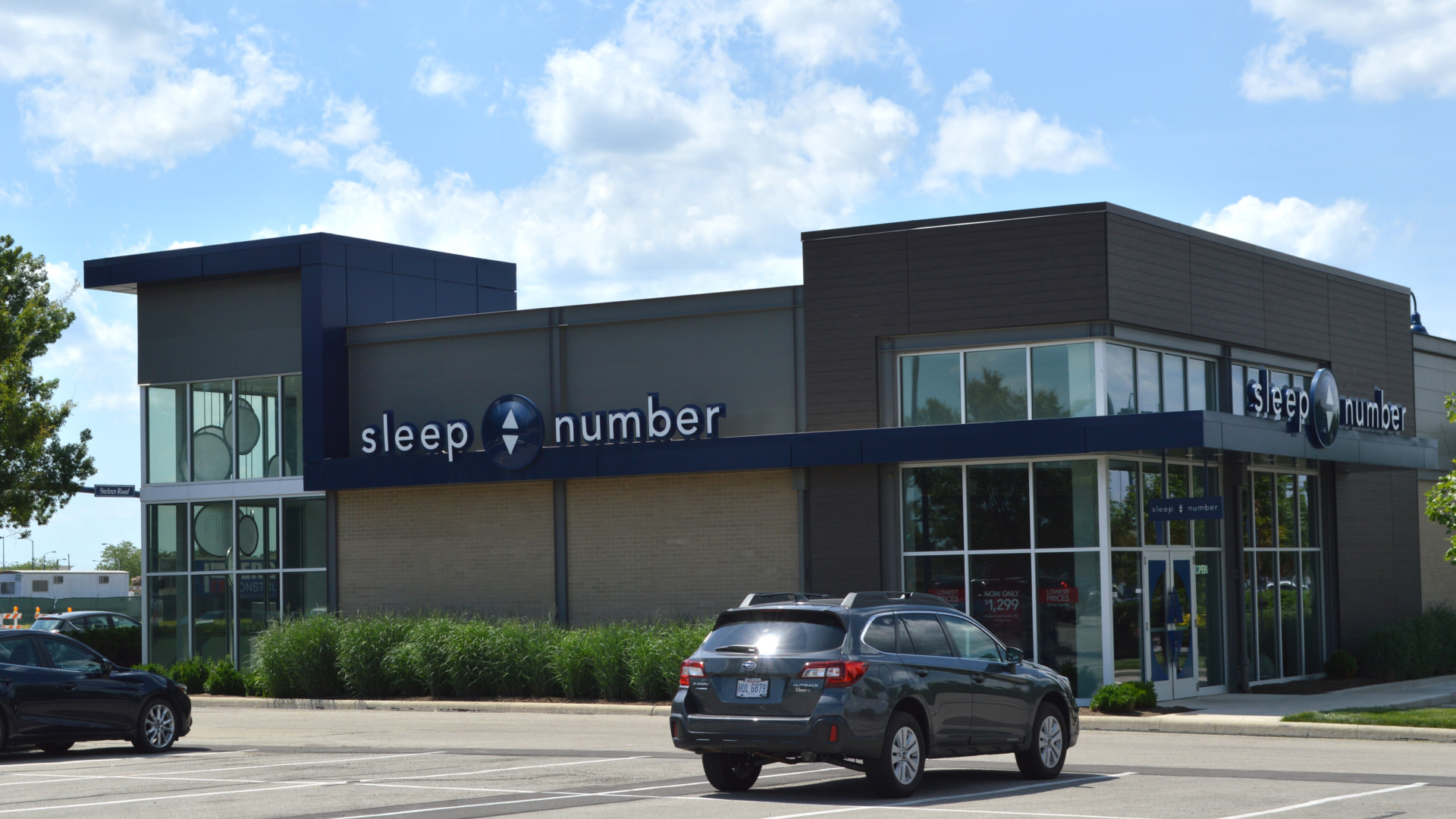
Debt risks and liquidity concerns
Sleep Number said it expects to violate financial covenants tied to its credit agreement within the next 12 months.
If that happens, lenders could demand immediate repayment of outstanding debt and cancel remaining funding.
The company acknowledged it may not have sufficient cash to meet its obligations, raising significant doubt about its ability to continue operating without new financing or restructuring.
Sleep Number’s efforts to stabilize its business
To address these concerns, Sleep Number is pursuing several measures to strengthen its balance sheet and improve operational performance.
These steps include:
- Turnaround plan: Execution of “Sleep Number Shifts”
- Negotiate with lenders: Aiming to amend or waive financial covenants
- Work with financial advisors: Explore additional capital options, alternative financing arrangements, or strategic alternatives
However, the company cautioned that the success of these initiatives is uncertain because they depend on factors outside of its control.
Sleep Number turnaround strategy
Sleep Number began implementing major changes in 2025 following several leadership transitions.
The company appointed a new CEO in April 2025, a new CMO in May, and a new CFO in December.
Alongside the leadership overhaul, Sleep Number has been restructuring operations, consolidating roles, and cutting costs.
Later in 2025, the company introduced “Sleep Number Shifts,” a turnaround strategy focused on repositioning the brand, expanding reach to new customer groups, and reigniting growth to drive value for shareholders, customers, and team members.
The strategy focuses on three key priorities:
- Product: Simplifying offerings to grow customer base while building on the demand from repeat customers.
- Marketing: Modernizing efforts by expanding into new channels and launching updated creative campaigns to better connect with today’s consumer and improve return on investment.
- Distribution: Optimizing store footprint and exploring opportunities to expand into new physical and digital distribution channels.
Despite the efforts, Sleep Number acknowledged that it continues to face persistent financial pressures.
“While the company is focused on implementing the ‘Sleep Number Shifts’ and executing cost savings and operating efficiencies, it faces liquidity challenges,” wrote the company in its 2025 annual filing.
Sleep Number faces ongoing sales declines and losses
Sleep Number has reported losses over the past three years as consumer traffic and demand have weakened. The company’s fourth-quarter and full-year 2025 earnings results continue that trend.
Latest earnings report results
- Fourth-quarter 2025 net sales fell 8% year over year to $347 million.
- Full-year revenue declined 16% to $1.4 billion.
- Company saw a net loss of $132 million compared with a net loss of $20 million the previous year.
In response, Sleep Number implemented $185 million in annualized cost reductions across general and administrative expenses, corporate structure, technology, and store closures.
The company also plans to cut another $50 million in costs during 2026.
Analysts remain cautious about recovery prospects
Wall Street analysts remain skeptical about the company’s near-term outlook.
Sleep Number’s stock has fallen 63.5% year to date as of March 16, 2026.
Simply Wall St analysts say intense competition and the company’s reliance on premium pricing could continue to pressure growth, suggesting sales trends need to stabilize before reaching long-term recovery.
“Even though management is planning more accessible price points and higher marketing spend, the trailing 12-month revenue of about $1.4 billion still sits alongside ongoing losses, which keeps the cautious case very much alive for now,” said Simply Wall St.
More Retail Business News:
- 106-year-old retail brand operator closing all stores in bankruptcy
- 76-year-old restaurant chain closing another longtime location
- Starbucks is closing more stores
Analysts at UBS Group (UBS) also warned that the company has a limited financial cushion. The benefit from recent cost reductions may become harder to achieve in the second half of the year, according to Investing.com.
UBS maintained a “neutral” rating on the stock and set a $10 price target in a February report, according to Market Beat.
Meanwhile, analysts at Piper Sandler Companies lowered their target price for Sleep Number’s shares from $12 to $5 in a March research note, while maintaining a “neutral” rating, with a potential upside of 40.85%, according to Benzinga.
Related: 106-year-old retail brand operator selling 170 stores in bankruptcy