
While inflation rates have fallen substantially from their June 2022 peak of 9.1%, consumer prices are still rising, and the wave of tariffs introduced by the Trump administration in 2025 — particularly on the auto industry — has been putting increased pressure on manufacturers and retailers to pass these tax costs onto consumers.
💵💰Don’t miss the move: Subscribe to TheStreet’s free daily newsletter 💰💵
As Americans’ purse strings continue to tighten, many consumers nevertheless find themselves needing to purchase a new vehicle. And when it comes to commuting, transporting family members, traveling, and running crucial errands, safety and performance are paramount — that’s why even frugal car shoppers need to know that the vehicle they choose is going to keep their families safe on the road and remain mechanically reliable for the long haul.
When it comes to balancing bargain shopping with discernment, nonprofit auto evaluator Consumer Reports can be a great resource.
Related: 6 U.S.-assembled cars that minimize tariffs according to Consumer Reports
What is Consumer Reports and how does it evaluate vehicles?
Consumer Reports, founded in 1936, is a longstanding nonprofit that advocates for transparency and accountability in major consumer products. The firm buys and tests staple big-ticket items — like automobiles, home appliances, and electronics — anonymously and at full price before testing them rigorously at its facilities to evaluate their safety, reliability, and efficiency.
Most products are tested at one of the org’s 63 labs within its Westchester County, New York, but when it comes to cars and trucks, CR operates a massive, 327-acre auto testing facility and driving course in rural Connecticut. The nonprofit’s professional drivers evaluate everything from acceleration to comfort to braking to safety features.
Additionally, CR surveys its millions of members annually about their own cars, asking them about any mechanical issues they’ve run into. The data garnered from these auto surveys, spanning decades of survey results from millions of members, allows CR to compile reliability data on how specific models tend to perform over time, how likely they are to experience issues in specific problem areas, require frequent repairs, and so on.
Using this info, CR creates reliability scores for each auto model and model year.
Related: The most satisfying new cars & SUVs, according to Consumer Reports
The 5 cheapest new cars that Consumer Reports recommends right now
Consumer Reports also partners with TrueCar, a service that connects car buyers with dealerships, to track average transaction prices, which often vary from manufacturers’ suggested retail prices (MSRP).
According to Kelley Blue Book, the average price of a new car in June 2025 was $48,907. Each of the five new cars listed here has been selling for well under half that price (each one has an average June ’25 transaction price of under $24k) — and they all earned Consumer Reports’ coveted “CR-Recommended” distinction, meaning they met or exceeded the organization’s expectations in terms of safety, performance, and reliability.
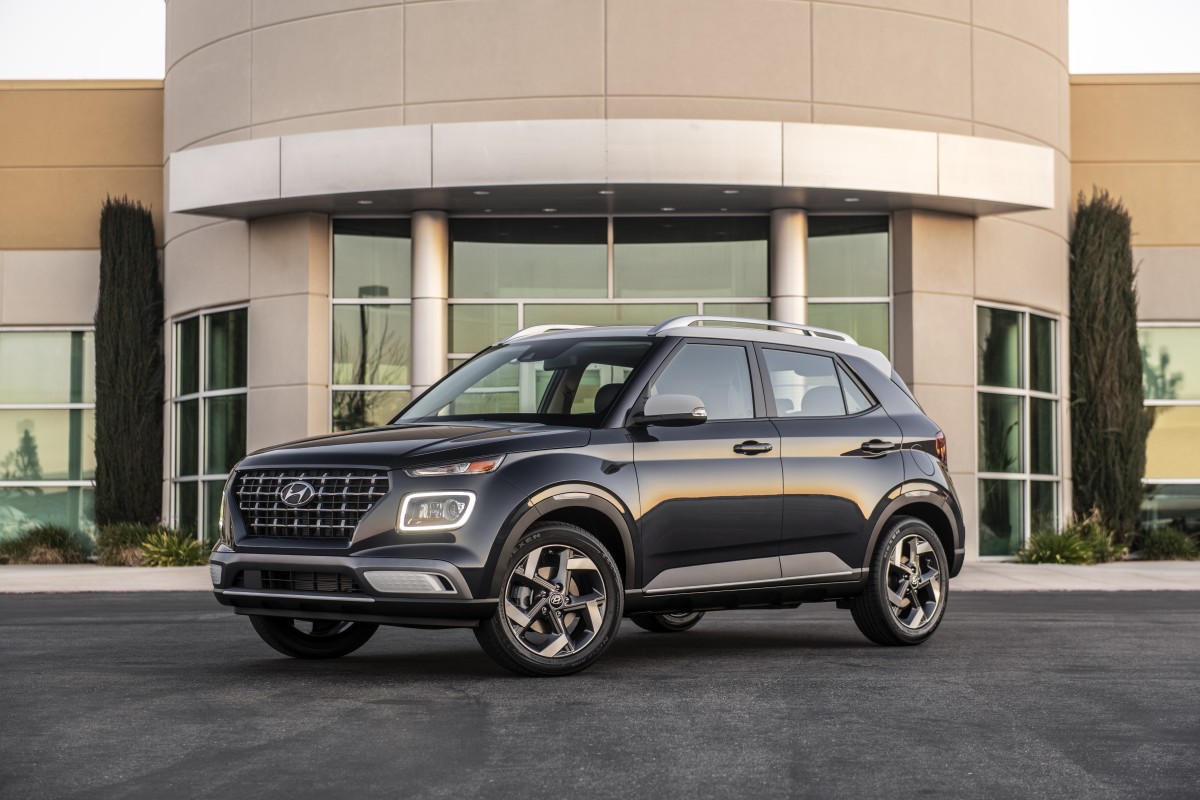 Hyundai Venue
Hyundai Venue
- MSRP: $17,190–$21,190
- TrueCar average transaction price: $20,907
- Average MPG: 32
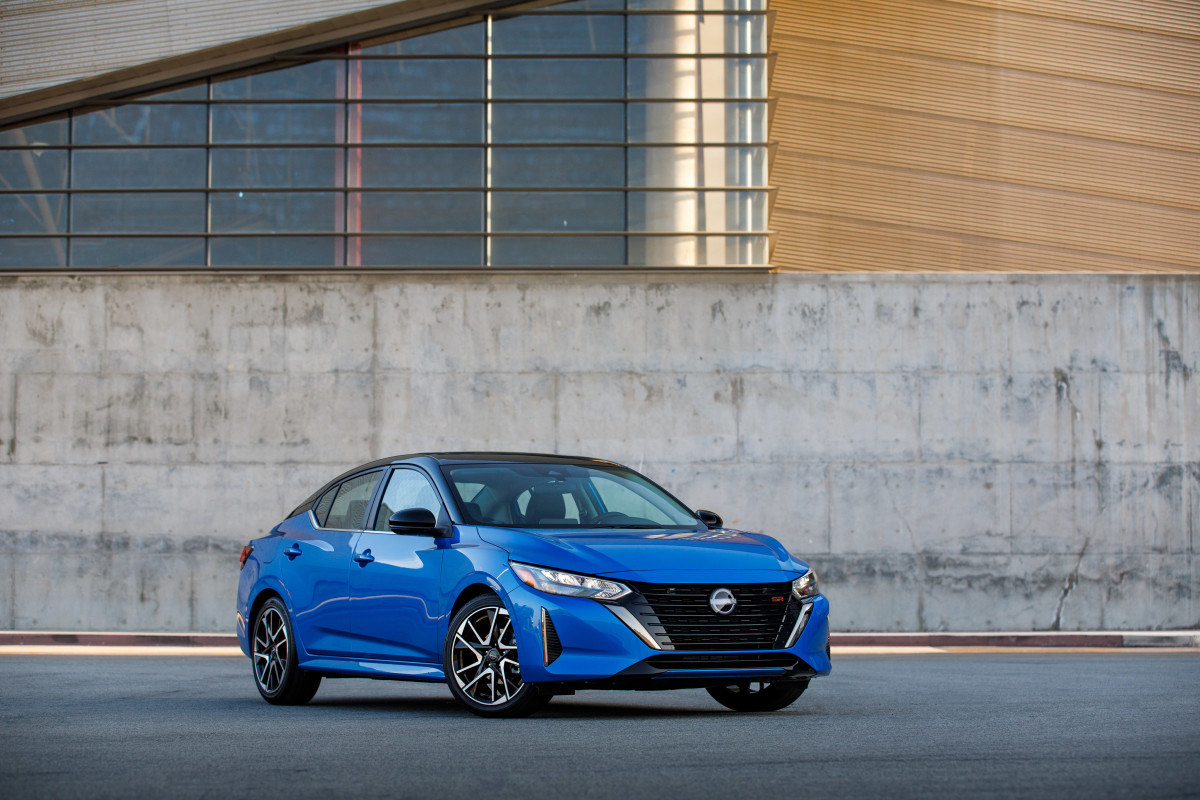 Nissan Sentra
Nissan Sentra
- MSRP: $21,590–$24,590
- TrueCar average transaction price: $21,389
- Average MPG: 32
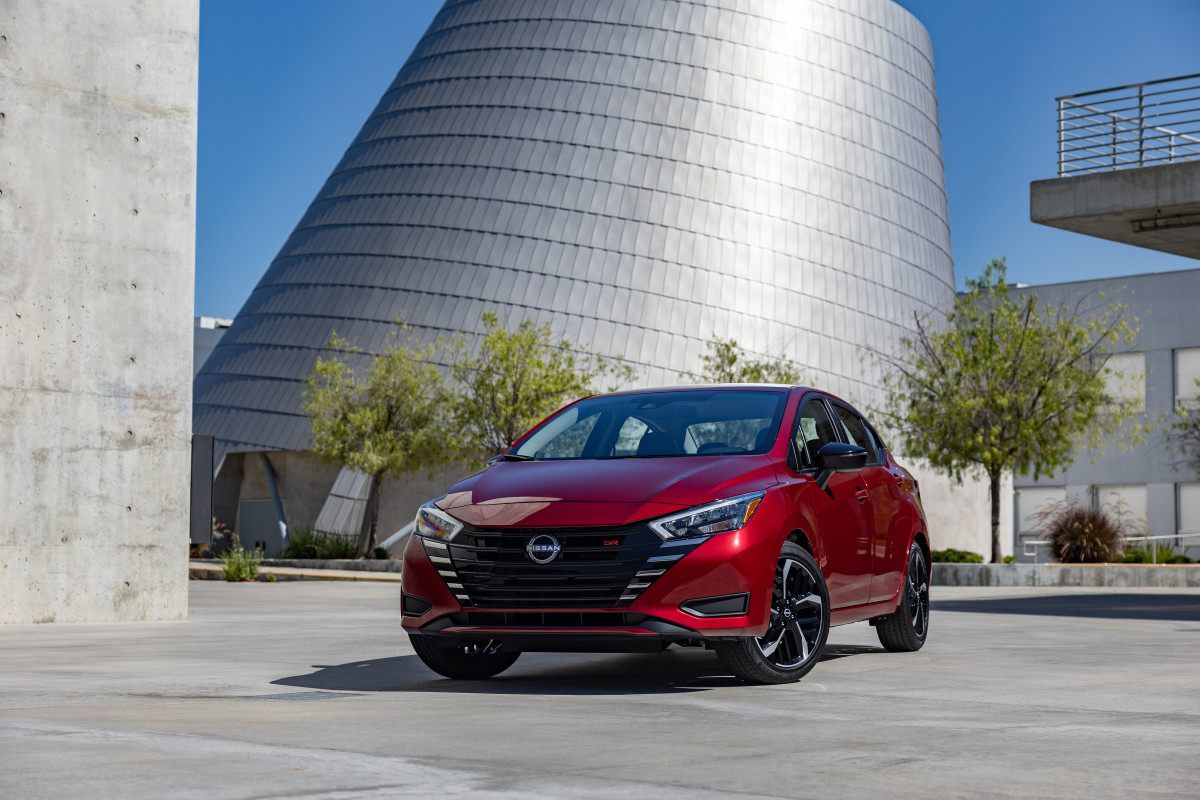 Nissan Versa
Nissan
Nissan Versa
- MSRP: $17,190–$21,190
- TrueCar average transaction price: $21,545
- Average MPG: 32
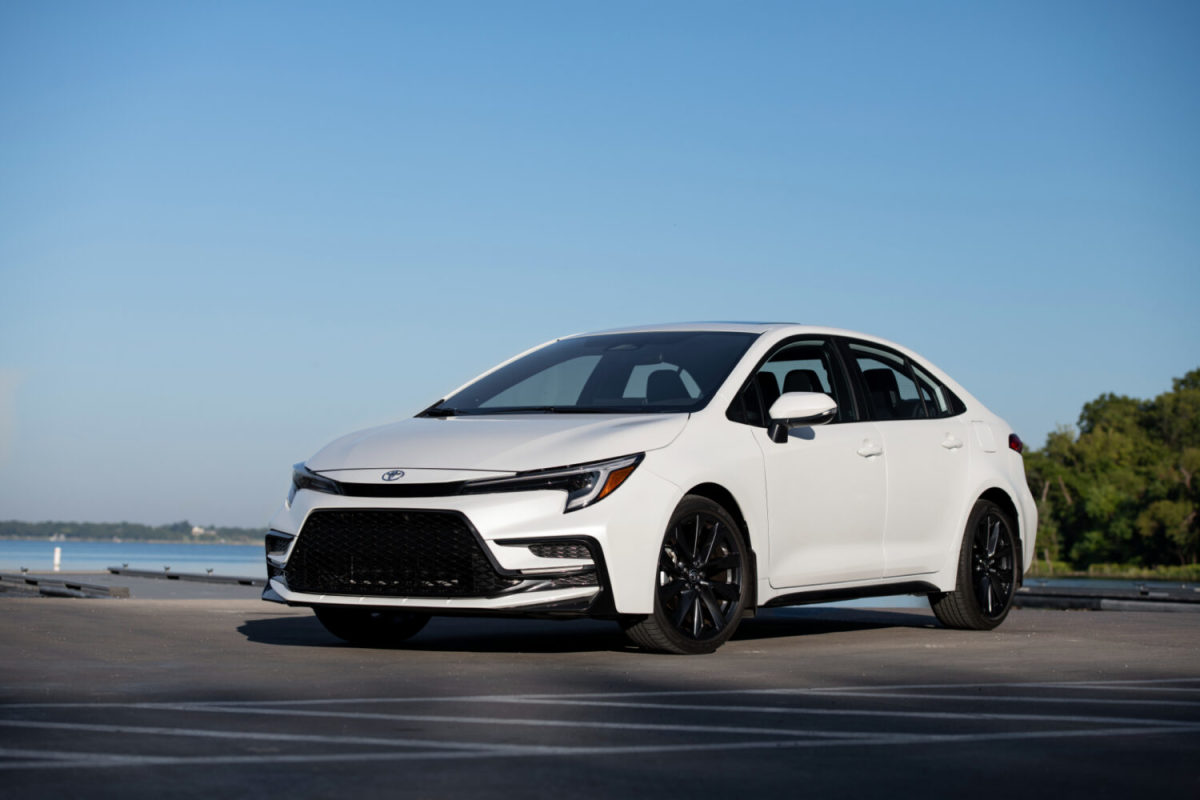 Toyota Corolla
Toyota Corolla
- MSRP: $22,325–$28,190
- TrueCar average transaction price: $22,513
- Average MPG: 36
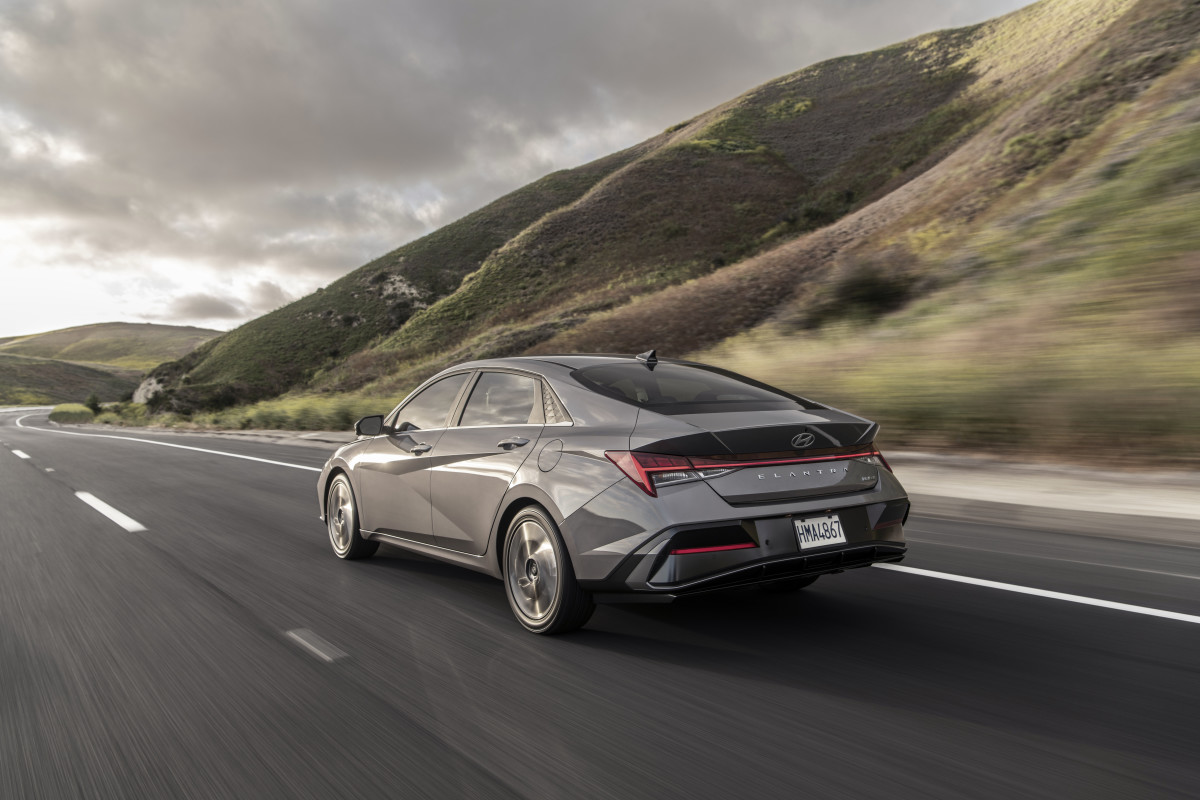 Hyundai Elantra
Hyundai Elantra
- MSRP: $22,125–$35,850
- TrueCar average transaction price: $23,212
- Average MPG: 33
Related: 10 cars to avoid according to their current owners (via Consumer Reports)