
Sports utility vehicles are more popular than they’ve ever been, as consumers flock to buy the large vehicles due to their safety profile. Yet some of the most popular SUVs on the market aren’t as safe as some of their less popular competition, according to a new analysis from Consumer Reports.
While the firm recently released a list of the most reliable SUVs around, it is now following up with a list of some of the safest SUVs on the market, and some of the ones you should probably avoid.
Cheapest SUVs to insure in 2026
- Subaru Crosstrek: $1,150 average six-month premium
- Jeep Wrangler: $1,154 average six-month premium
- Honda CR-V: $1,158 average six-month premium
- Volkswagen Tiguan: $1,165 average six-month premium
- Mazda CX-5: $1,172 average six-month premium Source: CarInsurance.com
Insurance companies adjust your rates based on the type of vehicle you own, and they deem safer vehicles as getting lower rates.
“Solid, safe, and reliable vehicles with low repair costs tend to be cheaper to insure than sports cars, foreign vehicles, or cars with a history of costly repairs,” according to analysts at CarInsurance.com who ranked the cheapest cars to own, finding that SUVs are now overtaking sedans in affordability.
In fact, sedans now cost on average 10% to 15% more to insure than comparable sedans, due to structural design differences and claims data.
“Repair and replacement costs are a huge factor for insurance rates,” says Zach Lazzari, founder at Cross Border Coverage. “For example, some vehicles have very high repair costs for common fender bender damage. Entire panels may require replacements on one vehicle, while others can be fixed with a simple dent remover and some fresh paint.”
SUVs are heavier and generally sit higher than sedans. That extra mass can reduce the force transferred to occupants in a head-on collision or side impact, according to Pierce Skrabanek.
Also, because SUVs’ higher ride height places the bumper above the main reinforcement zones of a sedan, they are less vulnerable to side-impact crashes than their smaller counterparts. They also score better in multi-vehicle accidents.
But there are tradeoffs.
Smaller vehicles tend to handle better because they are lighter. So they are better at avoiding collisions altogether if the driver can react in time. Also, due to the higher ride height mentioned above, SUVs have a greater rollover risk than sedans.
That higher center of gravity also works against the vehicle’s control during sharp turns, swerves, or high-speed crashes. Rollover accidents are particularly dangerous because roof crushes and ejections are common in those situations.
The growth in SUV popularity is great news for automakers. Profit margins for SUVs and trucks average 10% to 20% higher than those for smaller cars, since larger vehicles are more expensive, but use many of the same components, according to The Week.
What is Consumer Reports?
Founded in 1936 by a group of workers fired from a product-testing firm called Consumers’ Research, Consumer Reports is a multifaceted nonprofit organization that aims to educate consumers about products and help them make informed purchasing decisions.
It does this by purchasing and testing products directly, administering detailed surveys to its members about the products they own and use, and investigating the veracity of manufacturers’ claims.
Related: Consumer Reports names another 5 of the most reliable light SUVs
Consumer Reports at a glance
- Founded: 1936 (as Consumers Union by former employees of Consumers’ Research, fired after they attempted to unionize)
- Headquartered: Yonkers, NY
- Leadership: Marta Tellado, president and CEO
- Employees: Approx. 500 to 600
- Members: At least 6 million
- Mission statement: “Consumer Reports is an independent, nonprofit member organization that works side by side with consumers for truth, transparency, and fairness in the marketplace.”
Consumer Reports’ slogan, “Smarter choices for a better world,” captures the organization’s purpose. CR aims to educate and inform the public by providing objective information about popular products, helping consumers make “smarter choices” when purchasing major items.
For this list, Consumer Reports says “all the cars listed below have met federal safety standards, but our Best choices offer additional crash prevention and protection that basic models do not.”
Consumer Reports names 5 popular SUVs to avoid and 5 safer choices to buy instead
Popular large SUV
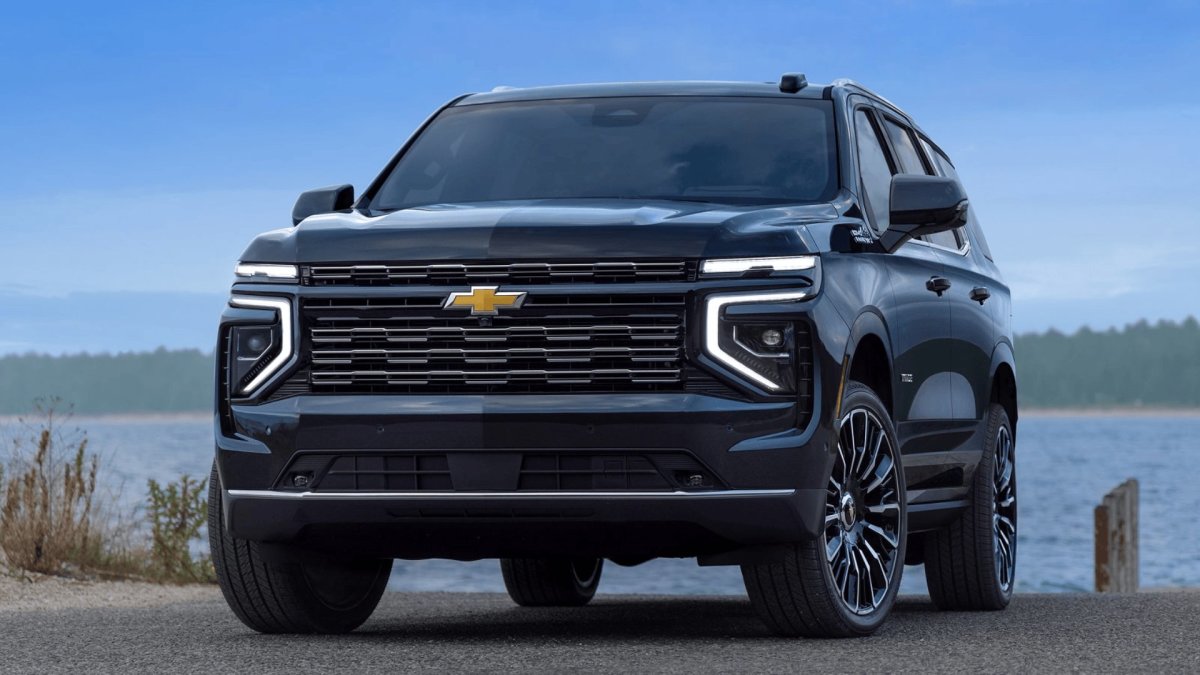
- Model: 2026 Chevrolet Tahoe
- CR MPG: Overall 17/ City 11/ Hwy 24 mpg
- Price Range: $54,500 – $83,700
- Ranking: #7 of 9 large SUVs
- What Consumer Reports says: It got a Poor score in the IIHS’ updated moderate overlap crash test, largely because rear-seat occupants are at greater risk of injury. In addition, like many large SUVs and pickup trucks, it achieved below-average scores in Consumer Reports’ own track tests of braking and emergency handling, which means drivers might find it more difficult to avoid a crash in the first place.
The safer alternative: Nissan Armada
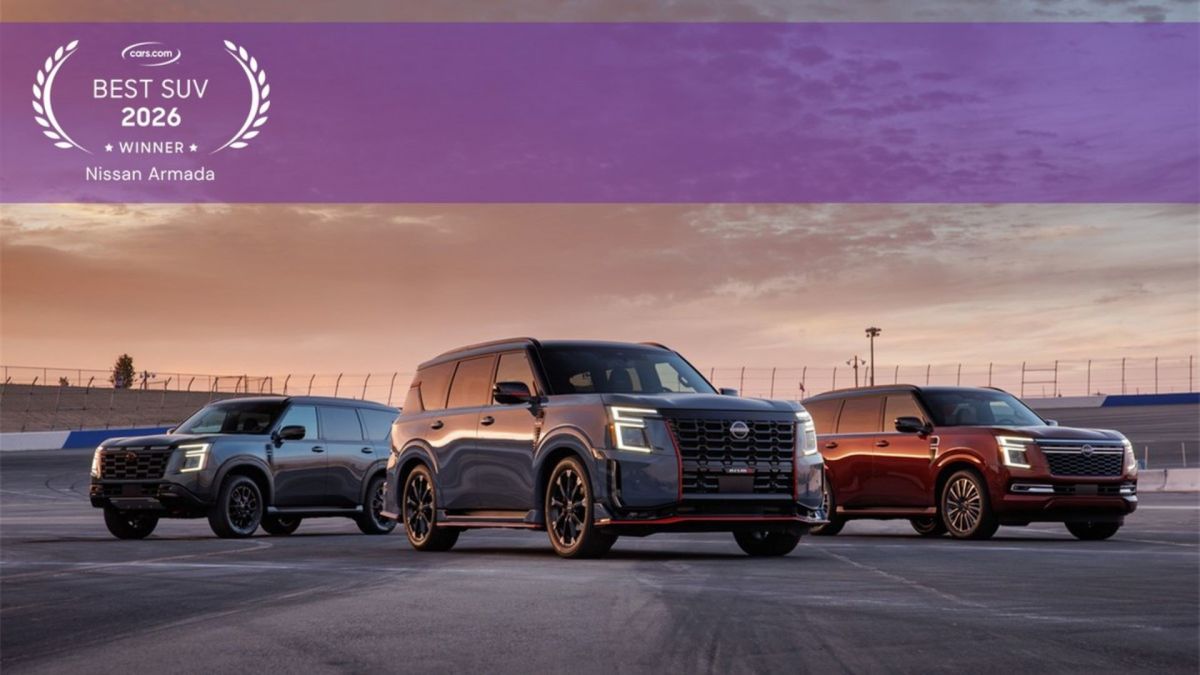
- Model: 2026 Nissan Armada
- Price Range: $58,840 – $80,550
- CR MPG: Overall 17/ City 10/ Hwy 26 mpg
- Ranking: #1 of 9 large SUVs
- What Consumer Reports says: The Armada is the only large SUV to achieve a Best safety verdict score. That’s partially thanks to its top crash test scores from the IIHS, but also due to its scores in Consumer Reports’ track-based tests of braking, routine handling, and emergency handling that are better than most of its peers. Nissan sold fewer than 20,000 Armada SUVs in 2025.
Popular midsized SUV
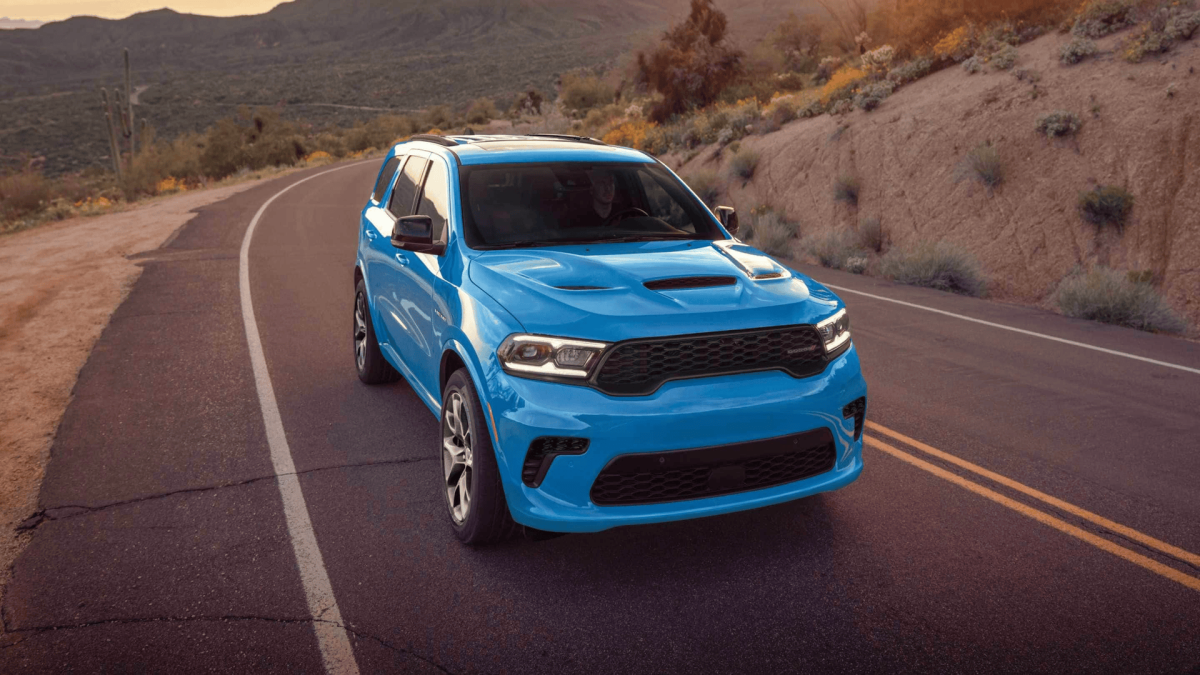
- Model: 2026 Dodge Durango
- Price Range: $38,995 – $79,995
- CR MPG: Overall 18/ City 12/ Hwy 25 mpg
- Ranking: #19 of 23 midsized SUVs 3-row
- What Consumer Reports says: Dodge has barely changed the Durango since its last redesign in 2011. It’s stuck in the past, and so are its safety features, according to Consumer Reports. Newer vehicles have benefited from technology that can prevent crashes and designs that improve crashworthiness, but the Durango is one of the only vehicles on the market where buyers have to pay extra for highway-speed AEB. AEB with pedestrian detection isn’t even available. In addition, it achieved a second-from-lowest Marginal score in the IIHS’ small overlap front crash test, which simulates a collision between the front corners of vehicles, or with a tree or utility pole.
The safer alternative
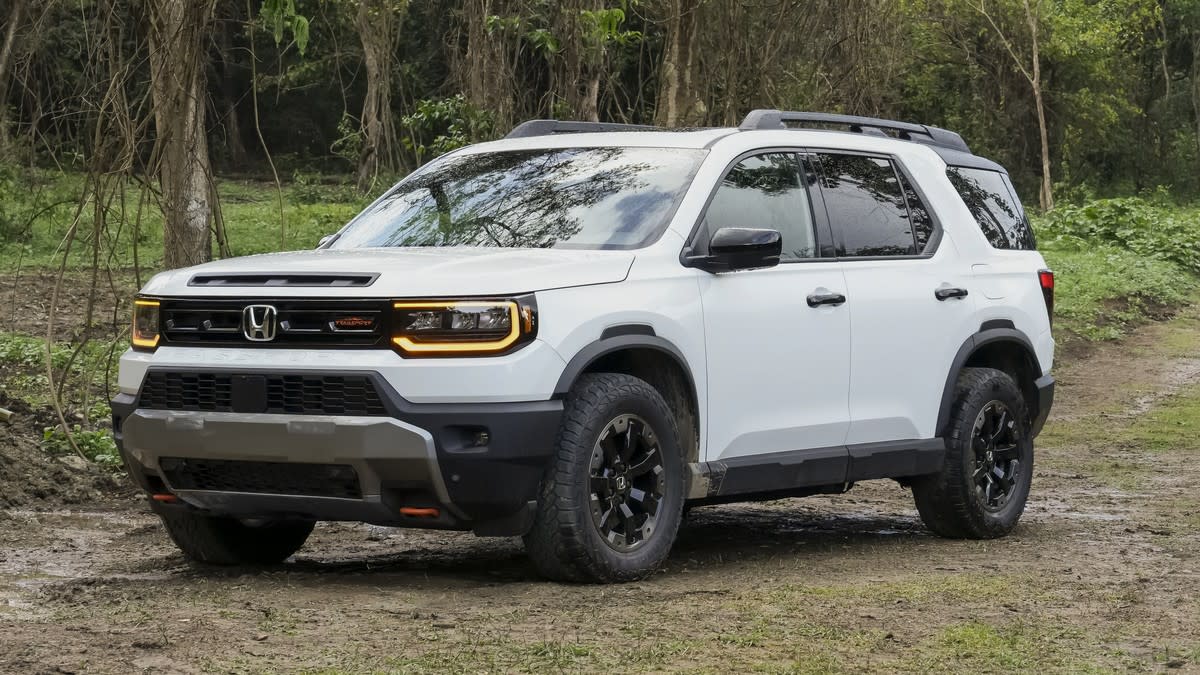
- Model: 2026 Honda Passport
- Price Range: $44,960 – $53,850
- CR MPG: Overall 21/ City 14/ Hwy 30 mpg
- Ranking: #1 midsized SUVs
- What Consumer Reports says: The Durango outsold the Honda Passport in 2025. Consumer Reports believes that’s because the Durango has a lower starting price and offers higher-performance versions that the Passport does not, and because the redesigned Passport was in its first model year. But CR still considers the Passport a much better choice in terms of safety.
Popular luxury SUV
- Model: 2026 Mercedes-Benz GLE
- Price Range: $62,250 – $133,150
- CR MPG: Overall 20/ City 13/ Hwy 29 mpg
- Ranking: #8 of 17 luxury midsized SUV
- What Consumer Reports says: The Mercedes-Benz earns top ratings in IIHS crash tests and at least average scores in Consumer Reports’ braking and handling tests. But that doesn’t tell the entire story. The standard AEB system with pedestrian detection did not perform well in IIHS tests, and the vehicle failed to slow for a dummy simulating an adult pedestrian walking along the side of the roadway.
The safer alternative
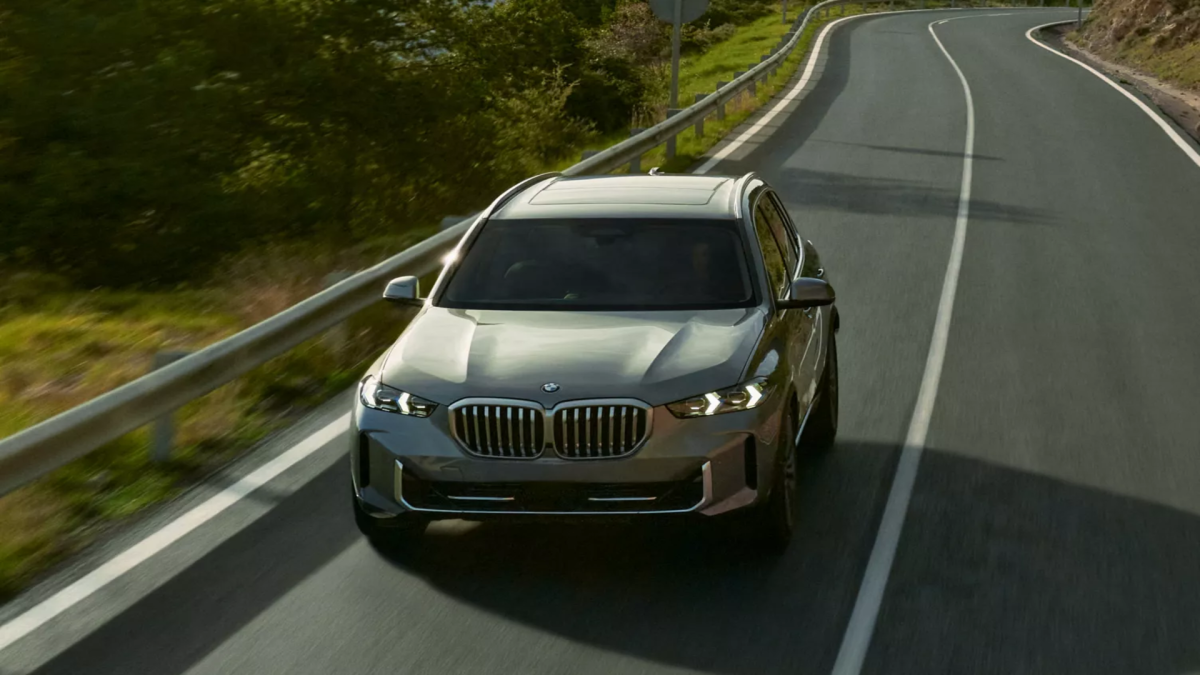
- Model: 2026 BMX X5
- Price Range: $67,600 – $131,000
- CR MPG: Overall 23/ City 15/ Hwy 33 mpg
- Ranking: #1 of 15 luxury midsized SUVs
- What Consumer Reports says: Like the GLE, the X5 gets top scores across IIHS tests, but it also got high marks for pedestrian crash avoidance. As with many luxury vehicles, its controls aren’t as straightforward as we would like to see, but they’re less distracting than the GLE’s. In addition, it outperformed the GLE in Consumer Reports’ evaluations of braking distance and routine handling.
Popular subcompact SUV
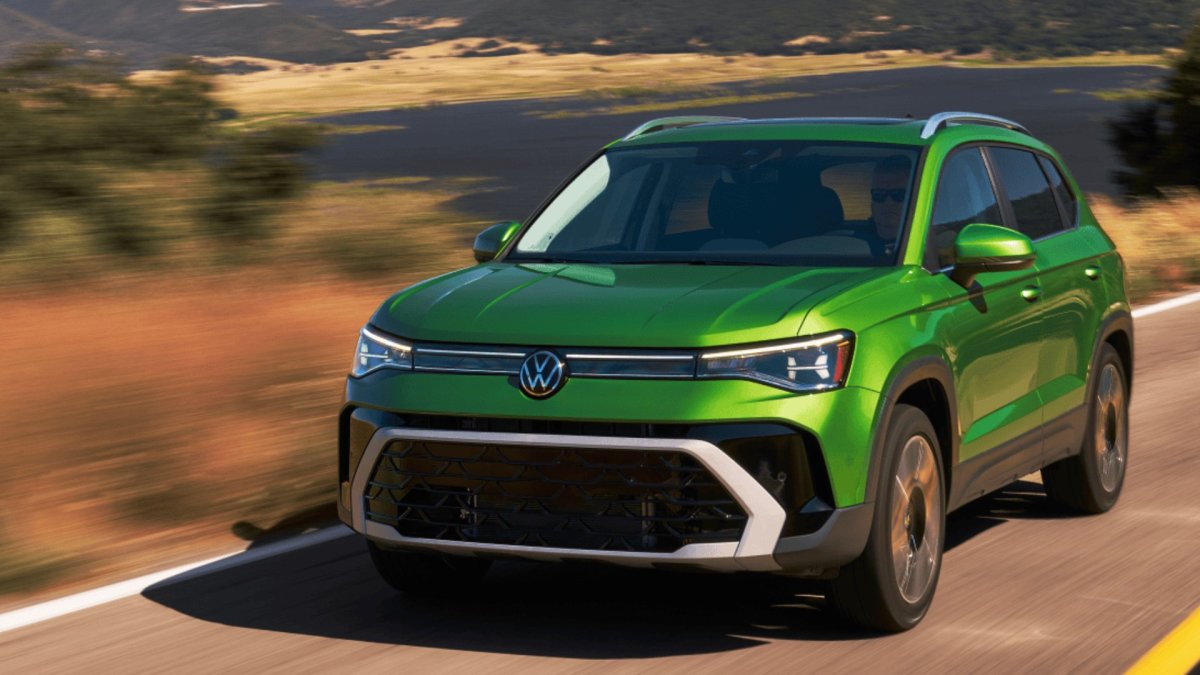
- Model: 2026 Volkswagen Taos
- Price Range: $26,500 – $35,900
- CR MPG: Overall 26/ City 17/ Hwy 37 mpg
- Ranking: #13 of 16 subcompact SUVs
- What Consumer Reports says: Despite having been redesigned in 2025, the Taos did not achieve any Good ratings in IIHS crash tests. In addition, its AEB system did not avoid crashes with motorcycles in the IIHS tests, and it struggled to reduce impacts in off-center rear-end collisions.
Safer subcompact SUV
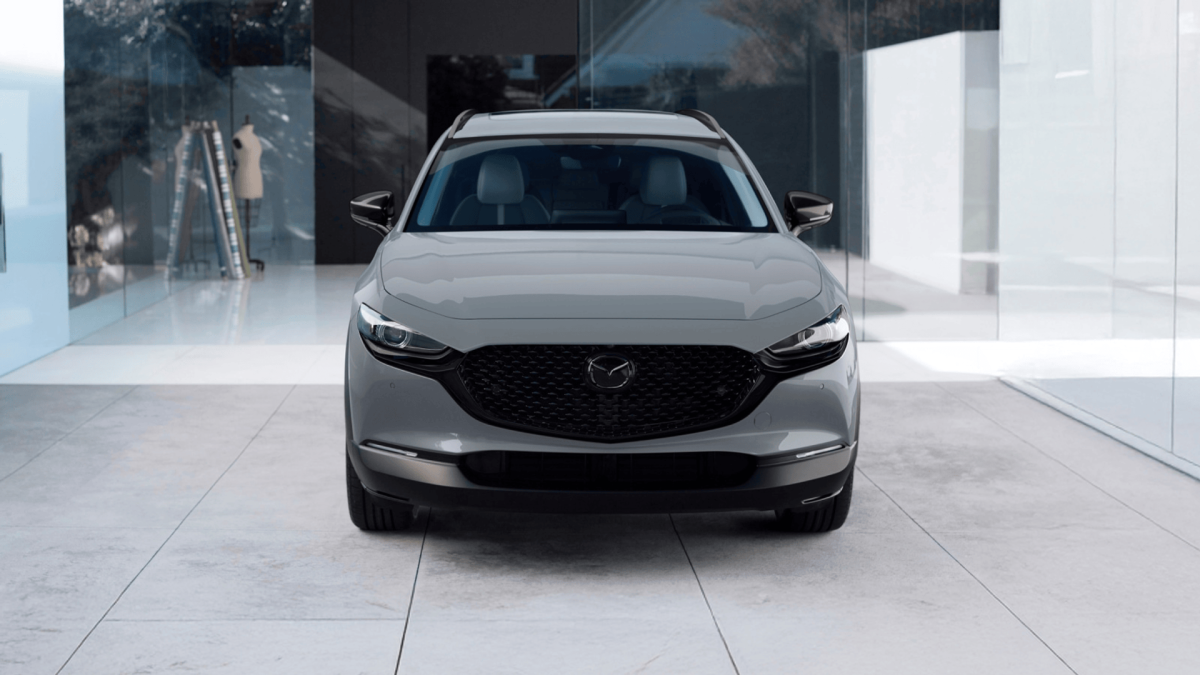
- Model: 2026 Mazda CX-30
- Price Range: $25,975 – $37,900
- CR MPG: Overall 27/ City 18/ Hwy 37 mpg
- Ranking: #5 of 16 subcompact SUVs
- What Consumer Reports says: The CX-30 is one of the few subcompact SUVs that earned a Best safety verdict score. It earned Good scores across all modern IIHS crash tests, and its AEB system also earned top scores. In addition, it outperformed the Taos in Consumer Reports’ emergency handling test.
Popular sedan
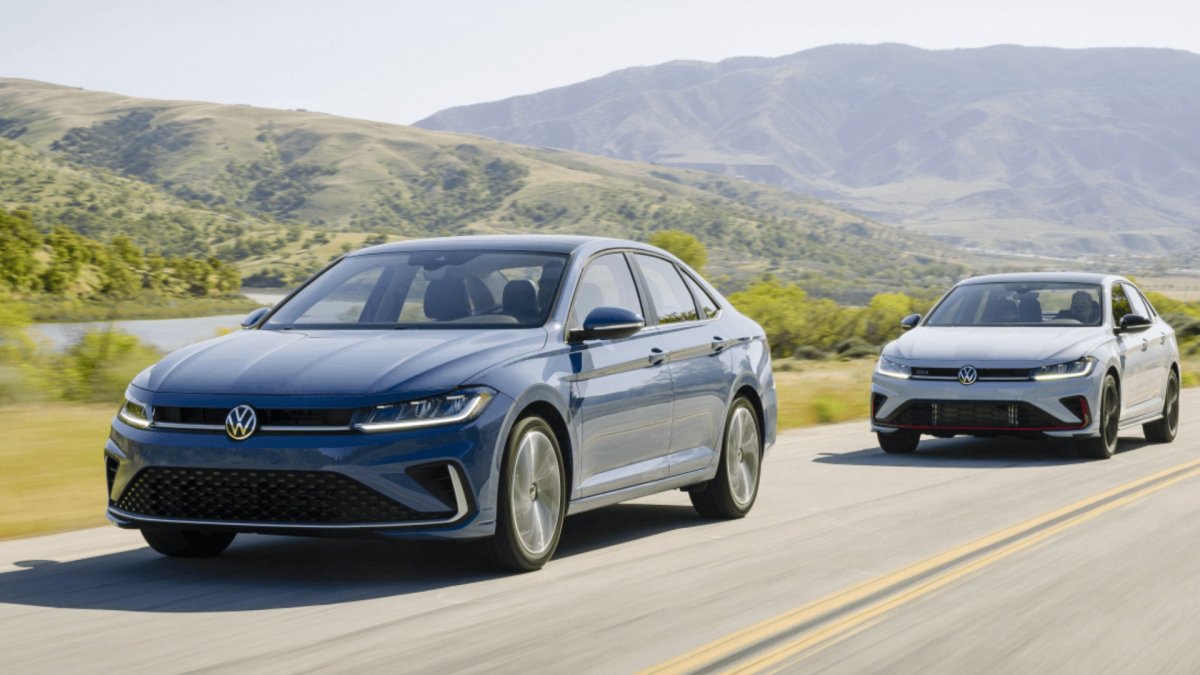
- Model: 2026 Volkswagen Jetta
- Price Range: $23,995 – $29,995
- CR MPG: Overall 34/ City 21/ Hwy 54 mpg
- Ranking: #19 of 21 small sedans/hatchbacks
- What Consumer Reports says: The Jetta’s $23,995 starting price may seem enticing, as it’s one of the least-expensive new cars on sale. But buyers will miss out on top safety ratings. The Jetta got a second-best Acceptable rating in side crash testing, and has not been evaluated in the IIHS’ most recent and most challenging tests. In addition, the AEB system failed to slow for a dummy simulating an adult pedestrian walking along the side of the roadway.
Safer alternative sedan
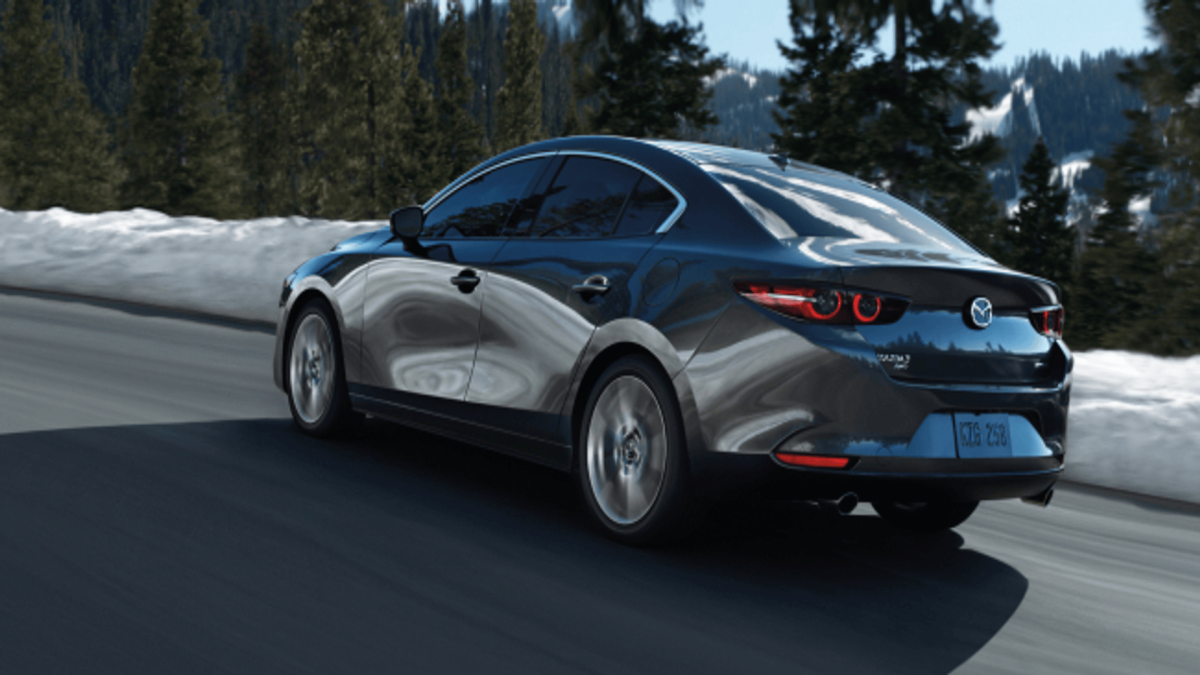
- Model: 2026 Mazda 3
- Price Range: $24,550 – $37,890
- CR MPG: Overall 30/ City 20/ Hwy 44 mpg
- Ranking: #3 of 21 small sedans/hatchbacks
- What Consumer Reports says: For just a few hundred dollars more than a Jetta, buyers can get a Mazda3. It has Good ratings across all key IIHS crash tests, including the latest ones, and better pedestrian crash avoidance. It also outperformed the Jetta on braking and emergency handling in Consumer Reports’ track testing.
Related: See 5 more SUVs Consumer Reports calls ‘most reliable’