
“In the fast‑food Mexican business, there’s Taco Bell — and there’s everyone else,” wrote Restaurant Business Online’s Jonathan Maze.
He’s not discounting Chipotle, which competes in the fast‑casual segment, but combined with Taco Bell, these behemoths show why chains like Del Taco have struggled to expand nationally.
Del Taco lacks the national scale and marketing resources of its larger rivals.
It’s a name well-known in California, a state that hosts 60% of its locations, but it’s also a brand trying to operate nationally.
That expansion has been filled with struggles, and Del Taco has pulled out of two key markets, closing stores without notice.
Del Taco closes restaurants, leaves key market
Customers never like it when a restaurant closes the location closest to their home or office, but most would prefer to be warned when that might happen. That’s not how Del Taco handled its recent exit from the state of Georgia.
When customers reached their local stores, they were met with handmade signs, according to WTVM, which showed a picture on its website.
“We are sorry for the inconvenience, but our store has been closed permanently.”
The chain had 11 locations in Georgia, and all were closed without notice to customers.
Del Taco’s Georgia and Alabama locations, 22 in total as of last summer, had been operated by a franchisee, Matador Restaurant Group, which filed for Chapter 11 bankruptcy in July, according to documents on Pacer Monitor.
Del Taco has not released a statement on the closures, nor responded to Rough Draft Atlanta’s request for comment.
The chain’s website still shows one remaining location in Huntsville, Alabama.
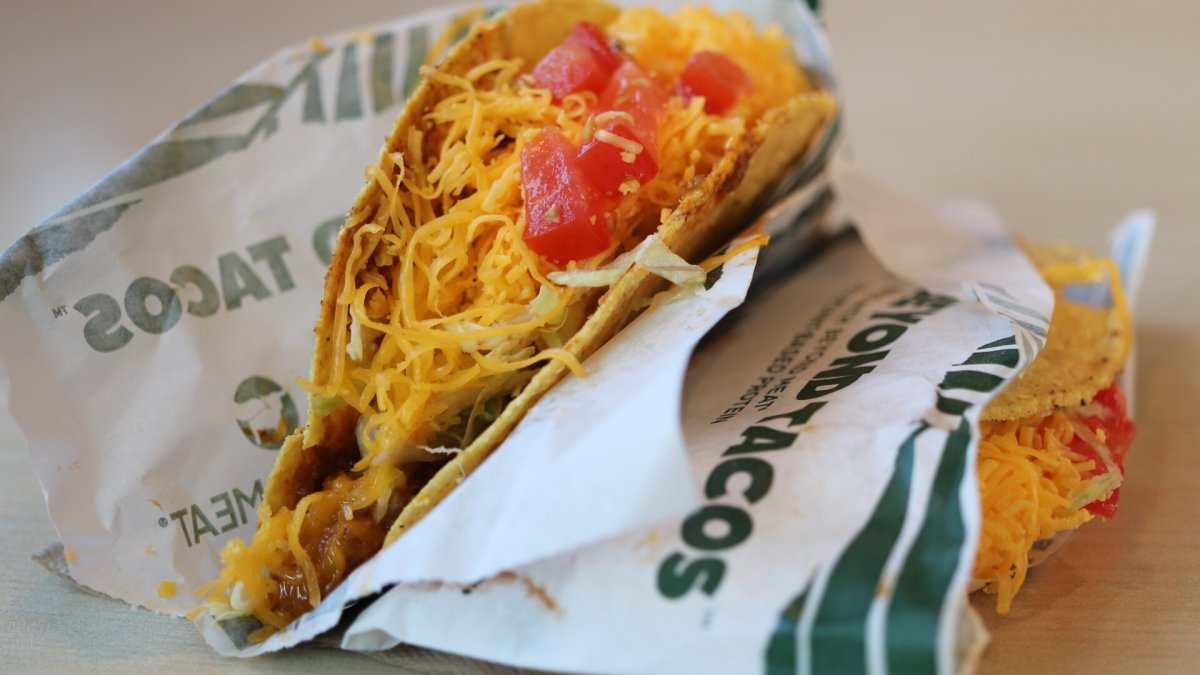 Del Taco has tried to expand nationally.
Shutterstock.
Del Taco franchisee Chapter 11 facts:
- Franchisee filing:Matador Restaurant Group (spelled as “Matador” in media reports but as “Matadoor” in the filing), a franchisee operating 22 Del Taco locations in Georgia and Alabama, filed for Chapter 11 bankruptcy protection on July 15, 2025, according to Restaurant Dive.
- Court venue: The bankruptcy petition was filed in the U.S. Bankruptcy Court for the District of South Carolina, added Restaurant Dive.
- Debt scale: Court documents list assets and liabilities both between $1 million and $10 million, with more than $2.7 million in merchant cash advance (MCA) debts from 10 separate loans to nine creditors, reported QSR Magazine.
- Creditor pressure: Several creditors filed UCC‑1 financing statements, giving them priority claims on Matador’s assets and complicating its cash flow, per QSR Magazine.
- Cause of distress: Matador’s financial struggles stemmed from a combination of rapid growth, an unexpected sales decline, and rising operational costs beginning in late 2024, according to its filings on Pacer Monitor.
- Loan strategy backfired: The company took out merchant cash advance loans to manage cash flow, but the high effective interest rates and aggressive repayment terms worsened its financial position, reported Restaurant Business Online.
- Corporate context: Matador is owned by Red Door Brands, which also has interests in other franchise operations including Little Caesars, McAlister’s Deli, and Arby’s — all part of related filings, even though bankruptcy proceedings are kept separate, according to Nation’s Restaurant News.
“Matadoor is the latest Del Taco franchisee to take a major financial hit. Newport Ventures, which owned 18 locations in Colorado, closed all of its restaurants in February after declaring bankruptcy last October. Del Taco took ownership of these units and began reopening 17 of the locations in late June,” according to Restaurant Dive.
Jack in the Box sold Del Taco
Jack in the Box shared plans to sell Del Taco as part of its Jack on Track turnaround plan released in July.
“As part of the plan, the Company has engaged BofA Securities to assist in the process of exploring strategic alternatives for the Del Taco brand, including a possible divestiture of the business,” the company shared in a press release.
That sale was completed on Dec. 22.
“Jack in the Box Inc. today announced that it has completed the sale of Del Taco Holdings Inc. to Yadav Enterprises Inc. The closing of this transaction is an important step in the Company’s ‘Jack on Track’ plan to strengthen the company’s balance sheet and accelerate its shift toward a simpler, asset-light business model,” it shared in a financial release.
Yadav paid Jack in the Box “approximately $119 million in consideration, subject to post-closing working capital and other adjustments. In connection with the closing, the Company received approximately $109 million of the consideration in cash and the remaining $10 million in the form of a 21-day promissory note, accruing interest at an 8% annual rate,” it added.
Del Taco will remain headquartered in Lake Forest, Calif.
Yadav Enterprises’ franchising roster includes Jack in the Box, Denny’s, and TGI Fridays. It is also the franchisor for Taco Cabana and Nick The Greek.
Jack in the Box CEO Lance Tucker celebrated the sale during his company’s first-quarter earnings call.
“In December, we successfully closed on the sale of Del Taco, and we then made a significant paydown on our debt. We are doing exactly what we committed to do by simplifying the business and bringing down debt levels, and I’m really pleased with the progress to date,” he said.
More Restaurants
- Chipotle’s new consumer strategy raises eyebrows
- Burger King revives iconic kids’ meal toys after 22 years
- Walmart surprises shoppers with bold new restaurant offering
In addition to the cash, the sale also allows the company’s leadership to focus on its core brand.
“With the transaction complete, only minimal separation activities remain, and the team is fully recentered on strengthening the Jack in the Box brand and executing the remaining elements of our Jack on Track plan,” he added.
Del Taco has spread itself too thin
While Del Taco has struggled in its expansion efforts, it maintains a clear strategy designed to differentiate it from rival brands.
“Del Taco continues to pursue a barbell menu strategy, offering value items under $2 on one side and higher-quality dishes on the other to appeal to a broad taco-loving audience. Lately, the chain has leaned into the premium side of its menu in marketing and communications, using storytelling internally with employees and externally with guests to highlight quality as a differentiator,” Nation’s Restaurant News reported.
Del Taco operates in 18 states, but nearly 450 of its restaurants are in California, Nevada, and Arizona. It means that in many of the places it operates, it’s not a well-known brand.
In Port St. Lucie, Fla., for example, the chain recently opened, but none of the other seven locations in the state is within a 90-minute drive.
When a chain has limited locations in a market, it makes advertising less effective and decreases the chance of customers simply knowing the brand because they’ve seen it before.
Academic journal MDPI’s white paper, “Effects of Marketing Decisions on Brand Equity and Franchise Performance,” by Eunkyung Lee, Ji-Hern Kim, and Chang Seop Rhee, explained how that works.
“The decision about the number of chain outlets to operate is an important component of franchise marketing decisions, representing the channel intensity of the franchise operations. In general, an increase in the number of stores for a company or a brand would result in a greater chance of coming into contact with potential customers (brand awareness) and communicating information about the brand (brand image),” the researchers shared.
Related: A-list celebrity restaurant shuts down, no Chapter 11 bankruptcy