
It’s common for spending to shrink in retirement as seniors pare down their lifestyles and shed some of the costs associated with holding down a job. But there’s one expense that has a sneaky tendency to increase in retirement – healthcare.
Fidelity puts the average cost of healthcare in retirement at $165,000 for the typical 65-year-old. But that number can fluctuate based on a host of factors, including health status, life expectancy, and Medicare expenses and plan choices.
Older Americans can generally sign up for Medicare at age 65. But a big misconception about Medicare is that it’s a cheap form of health coverage.
Related: Dave Ramsey raises red flag over Social Security
In reality, there are numerous costs associated with Medicare, from premiums to deductibles to copays. So financial guru Suze Orman thinks it’s important that Americans understand what they’re signing up for, and what sort of outlay to expect.
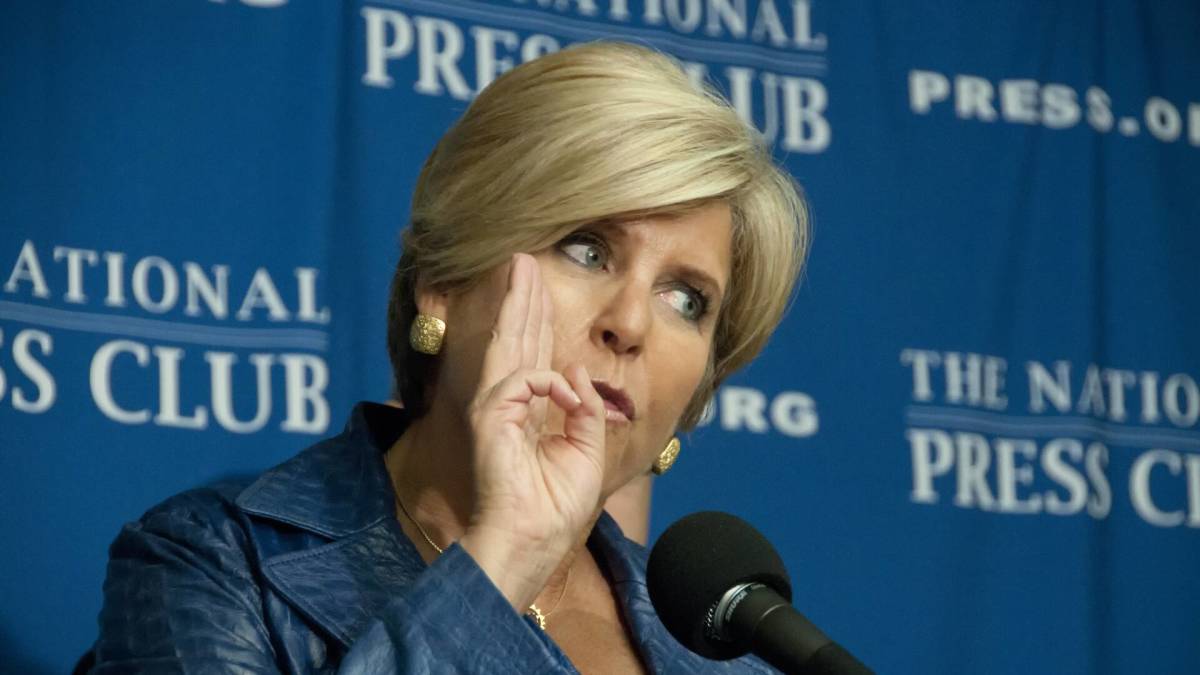 Suze Orman has important advice for retirees.
Shutterstock
Suze Orman warns that Medicare coverage isn’t cheap
There’s no universal cost of Medicare, as enrollees are entitled to choose their own Advantage plans or Part D coverage. There’s also the expense of supplemental insurance, or Medigap, that can vary based on plan.
But certain costs associated with Medicare are universal. In 2025, for example, the standard monthly Medicare Part B premium is $185. Social Security enrollees have that premium deducted automatically from their monthly benefits.
Related: Kevin O’Leary issues stark warning on early retirement
Higher earners, however, pay more for Part B after accounting for surcharges known as income-related monthly adjustment amounts. Those surcharges can drive Part B costs up by as much as $443.90 this year, and they apply to Part D drug plans as well.
Medicare Part B also comes with an annual deductible of $257.
Moving on to Part A, most enrollees are eligible for free premiums. But the cost of hospital care under Part A can be budget-busting, warns Orman.
In 2025, the inpatient hospital deductible is $1,676 per stay, which covers 60 days. Beyond that, there’s a daily coinsurance rate that starts at $419.
The cost of Part D, meanwhile, is plan-specific. The same applies to Medicare Advantage, which can be used as an alternative to Original Medicare (Parts A, B, and D). Some Part D and Advantage plans have $0 premiums, but they’re not automatically the best deal. Benefits and copays also vary by plan.
It’s common for Medicare plans to group prescription drugs into different tiers and charge enrollees accordingly. But thanks to a new rule, starting in 2025, the maximum out-of-pocket cost for covered prescription drugs is capped at $2,000 for Part D enrollees.
Suze Orman urges Americans to protect themselves from high Medicare costs
Medicare Advantage plans commonly offer benefits beyond what Original Medicare will cover. And these plans also put a cap on annual out-of-pocket expenses.
But that doesn’t automatically make them the cheapest option, warns Orman.
“If you are enrolled in Medicare Advantage, when you need care you will typically run into copays that can add up,” she says.
Related: Suze Orman issues warning on claiming Social Security early
Original Medicare, meanwhile, does not put a cap on annual out-of-pocket spending. For this reason, Orman urges anyone signing up for Original Medicare to purchase a Medigap policy.
“You are responsible for 20% of your Part B expenses,” Orman says. “This is why anyone with Original Medicare should also have a robust Medigap policy. It will cover that 20% you are on the hook for.”
More on Suze Orman
- Suze Orman has blunt words on Social Security for retired Americans
- Finance author delivers advice on delaying Social Security benefits
- Suze Orman explains how everyone can tame a big money fear now
A Medigap plan could also pick up the tab for expenses incurred during a hospital stay.
The optimal time to sign up for Medigap is as early as possible — during the six-month period that begins in conjunction with Medicare Part B enrollment. It’s possible to put off Medigap enrollment. But signing up later on could mean facing higher costs, not to mention denials due to pre-existing health conditions.
Related: Veteran fund manager unveils eye-popping S&P 500 forecast