
Ross Dress for Less (ROST) is facing a growing problem, which is forcing it to contemplate a significant change that customers may not like.
In Ross’ first-quarter earnings report for 2025, the discount store chain revealed that its comparable sales remained flat during the quarter, compared to the same time period last year.
💵💰Don’t miss the move: Subscribe to TheStreet’s free daily newsletter 💰💵
It also generated a net income of $479 million, which is almost 2% lower than what it earned during the same quarter in 2024.
Related: Ross Stores flags a troubling consumer trend that’s hurting sales
The stagnant sales and decline in net income come as Ross is seeing fewer customers visit its stores. According to recent data from Placer.ai, Ross saw average customer visits per location drop by 2.7% year-over-year during the quarter.
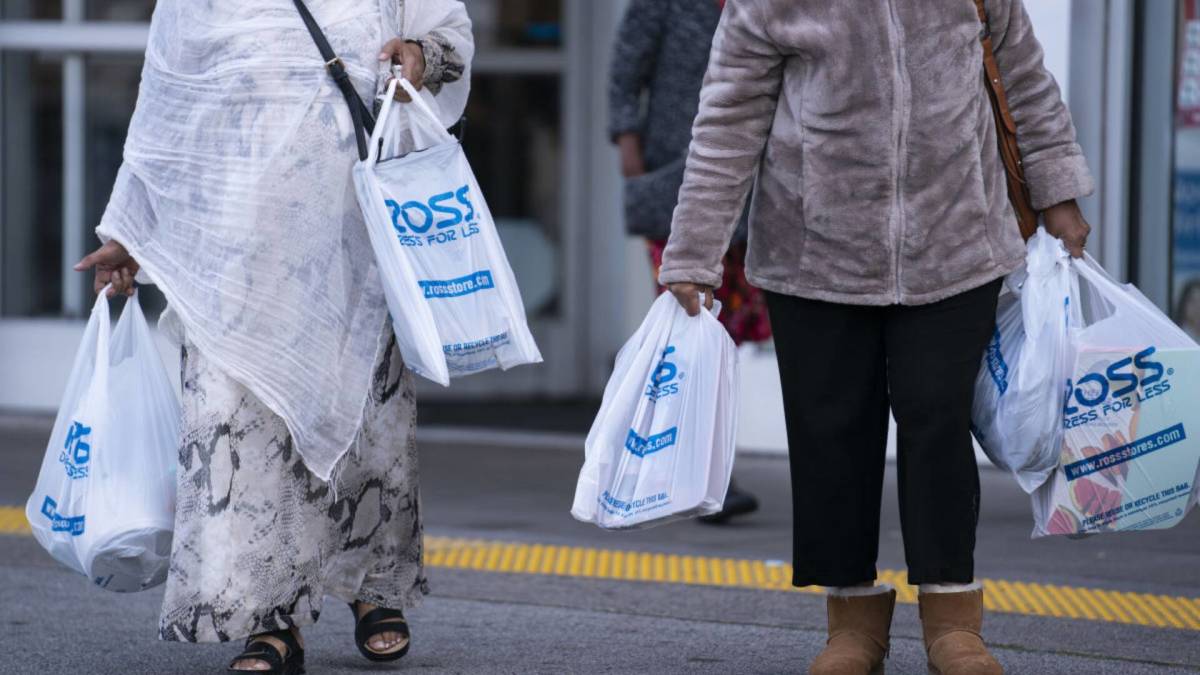 Ross Dress for Less is seeing a shift in consumer spending.
Image source: Silbiger/Bloomberg via Getty Images
Ross CEO sounds alarm on a major issue
During an earnings call on May 22, Ross CEO Jim Conroy said the company’s performance was off to a “slower start to the spring selling season in February.” He flagged that “prolonged inflation” has impacted its core customer and how they shop in stores.
“In terms of customer behavior, perhaps you could say there’s a little bit of a shift towards more functional items versus discretionary items,” said Conroy during the call.
He also warned that tariffs (taxes companies pay to import goods from overseas) are starting to become a major threat.
Last month, President Donald Trump imposed a 10% baseline tariff (taxes companies pay to import goods from overseas) on all countries and paused reciprocal tariffs.
Related: Walmart CEO has a harsh warning for customers
The pause on reciprocal tariffs will end in July, and as a result, roughly 60 countries will soon see higher tariff rates. This could result in consumers paying higher prices for goods if businesses choose to pass down the extra cost.
“The volatility of trade policies and the corresponding impact on the economy, the consumer, and our profitability is highly unpredictable,” said Conroy in the earnings report. “During these uncertain times, we will focus on what we can control and manage the business conservatively.”
Ross customers will soon have to dress for more
During the earnings call, Conroy said that Ross will be going down the shaky path of adjusting its prices, especially since over 50% of the goods it sells are sourced from China, one of the countries on which Trump imposed high tariff rates.
“As tariffs remain at elevated levels, we will be working to find the right combination of pricing versus merchandise margin compression,” said Conroy. “We believe we have a number of levers available to minimize the overall impact, but it is possible that we will see short-term pressure on our profitability.”
Related: TJ Maxx, Marshalls and Home Goods to open new stores
Ross Chief Operating Officer Michael Hartshorn also said during the call that the company will remain cautious when considering raising prices in its stores.
“We want to be very careful with price increases,” said Hartshorn. “We don’t want to be the first one to raise prices, and we want to make sure that we keep our value or pricing umbrella versus mainstream retail. And that’s a substantial value gap to make sure we’re delivering the values that customers come to expect.”
Conroy said that price increases will depend on “the category of business” and whether the item is “discretionary or functional in nature.”
More Retail:
- Costco quietly plans to offer a convenient service for customers
- T-Mobile pulls the plug on generous offer, angering customers
- Kellogg sounds alarm on unexpected shift in customer behavior
“So when we’re looking at pricing, we’re being very strategic in terms of sort of what’s the end use of that item, and how much leeway do we have to change prices,” said Conroy. “And we’re also very cognizant of what’s happening across mainstream retail, both their full price goods, and what they’re clearing as well as the other players within our sector.”
Hartshorn said that Ross customers will start to see the impact of tariffs around June and July this year.
While Ross considers price increases as one way to lessen the impact of tariffs, it will also negotiate with suppliers on the cost of importing goods and seek other countries from which to source its products, a change that will take months to navigate.
“As we switch to new countries or try to resource goods, there’s a timeline associated with that,” said Conroy. “So that’s a 2026 sort of adjustment, not a 2025 adjustment.”
As tariffs loom, consumers across the country are already planning to shift their spending habits as they anticipate paying higher prices for goods.
According to a recent survey from market research company Numerator, 83% of Americans are adjusting their shopping habits to prepare for the higher prices Trump’s tariffs could bring by scavenging for sales and coupons, delaying purchases, and buying fewer imported goods.
Related: Veteran fund manager unveils eye-popping S&P 500 forecast