
It hasn’t been easy selling soda in recent years. A wave of concern over America’s obesity problem has changed customer behavior, shifting people away from sugary beverages to healthier options.
The trend has led to massive success for new beverage brands, such as those adding a twist to age-old drinks like water, seltzer, and sparkling water. La Croix, Bubly, and Liquid Death, have all won over former soda drinkers.
💵💰Don’t miss the move: Subscribe to TheStreet’s free daily newsletter 💰💵
Coke has also lost many of its traditional customers to energy drinks catering to active lifestyles (even if they may not be any healthier than an iced-cold coke).
Brands like Monster and Red Bull have long competed successfully against soda companies, and more recently, upstart Celsius has carved away substantial market share.
Shifting tastes hasn’t been lost on Coca-Cola. It’s made a number of moves over the years to fend off new rivals, including taking a roughly 19% ownership stake in Monster and launching its own ill-fated Coke Energy, which was discontinued in North America about one year after it hit shelves.
For sure, Coke’s track record winning back the customers that it has lost has included hits and misses, but analysts think its latest big beverage push might be its most successful attempt yet.
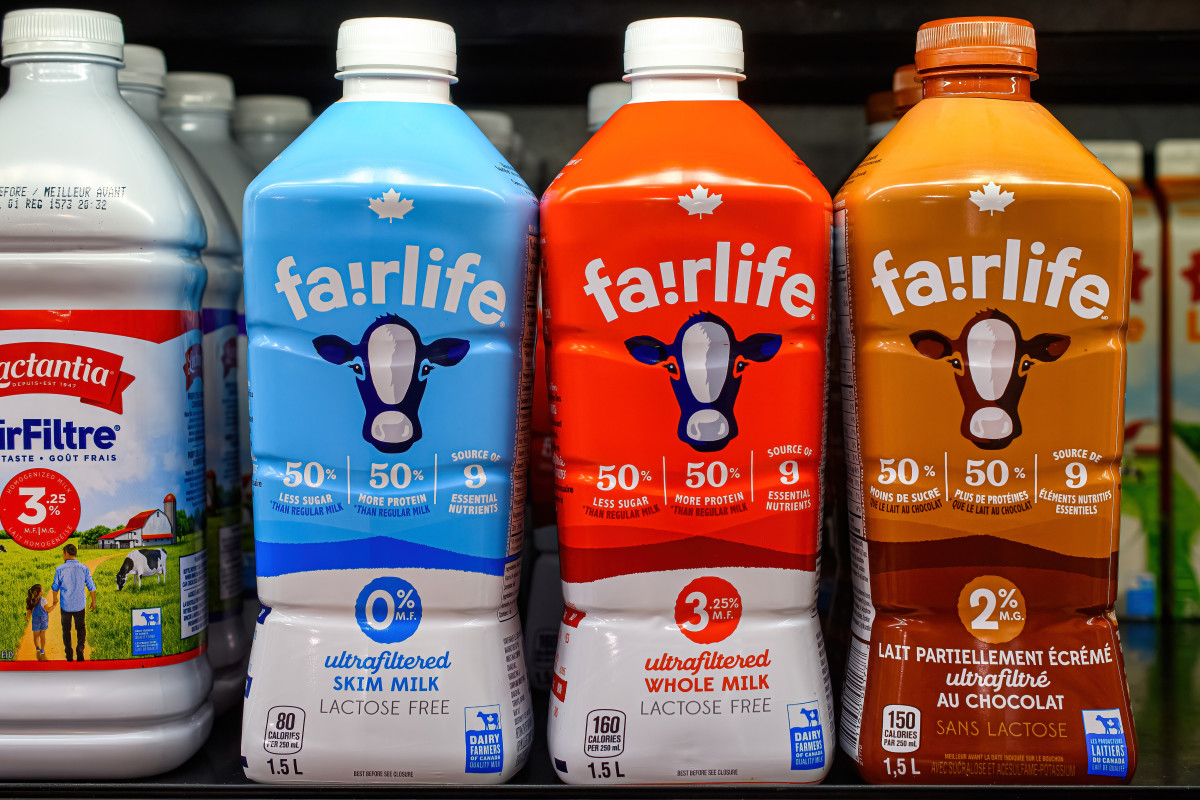 Coca-Cola acquired Fairlife for $7.4 billion, including performance payments, making it the largest acquisition in its 133-year history.
Roberto Machado Noa/Getty Images
A lot of money is at stake for Coca-Cola
People spend a lot of money on their favorite drinks every year, and as a result, the shift in consumers taste means billions of dollars in lost revenue for Coca-Cola.
Consumers spend about $193 billion (yes, billion) on non-alcoholic beverages worldwide every year, according to Statista Market Insights, and the market is expected to reach nearly $275 billion in 2029.
Related: Iconic 1980s soda brand back on shelves with a surprising twist
The soft drink market alone is estimated to be worth nearly $100 billion annually, and undeniably, much of that market is split between Coca-Cola and its largest rival, Pepsi. Coca-Cola sales alone topped $47 billion last year.
That’s pretty impressive. Still, Coca-Cola’s growth has been slowed by the shift in consumer interest away from soft drinks.
Energy drinks hauled in $46 billion in sales last year, according to Statista data, and sales of protein drinks are similarly worth billions of dollars per year and growing quickly.
For example, according to BD data, the market for ready-to-drink protein drinks tops $6 billion and is growing about 8% annually. One big reason behind the fast growth in the protein drink market? Fairlife Core Power, a Coca-Cola brand that commands about 60% market share.
Surging Fairlife sales drive Coca-Cola growth
Recognizing that it was losing customers to other beverage brands, Coca-Cola took a 42.5% stake in Fairlife in 2012 before buying the company lock-stock-and-barrel in 2020 for what will amount to about $7.4 billion, including performance payments – Coke’s biggest acquisition in its 133-year history.
The deal has brought with it incredible growth.
Related: Pepsi has discontinued a bunch of soda flavors
Fairlife sales have reportedly risen by over 1,000% since 2015, eclipsing $1 billion annually, according to Bloomberg. That’s a lot of milk. But it’s not just any milk. The company uses a process that boosts protein and cuts sugar content by half relative to traditional milk, and its milk is lactose-free, giving it another loyal fan base in a milk market valued at $15 billion, according to NIQ.
It also doesn’t hurt that we’ve seen surging interest in GLP-1 weight loss drugs like Ozempic. Because of the way those drugs work, patients are encouraged to boost their protein intake, giving Fairlife another potentially strong tailwind.
Granted, Fairlife is still a small player in Coca-Cola’s portfolio relative to soda and concentrates, which account for about 60% of sales. However, analysts at Wall Street’s Morgan Stanley expect Fairlife growth will continue to outpace other brands, making it increasingly more important to Coke’s future.
“Fairlife was still the number one brand to add retail dollars in the first quarter,” said Coca-Cola CEO James Quincey on the company’s first-quarter earnings conference call.
Fairlife beverages include Core Power performance nutrition shakes, Fairlife ultra-filtered milk, and Nutrition Plan health/nutrition shakes. Core Power is its largest brand, accounting for roughly 48% of retail sales, according to Nielsen US scanner data.
“We believe Coke’s Fairlife business is an under-appreciated growth, as well as multiple halo driver for the stock,” wrote the analysts in a note to its clients. “The brand proposition is a healthier product vs. peers with still great taste.”
Morgan Stanley says Fairlife is “responsible for 4-4.5% of sales mix by our estimates, which we think is higher than the market’s perception” and that Fairlife will add 1% to 1.4% to “Coke’s global sales growth in the next five years (even using conservative assumptions).”
Demand for Fairlife has been so strong that Coca-Cola’s Quincey is investing more money into it, adding more plants to meet demand.
“New capacity in late 2025 should drive long-term growth,” the analysts conclude.
Related: Coca-Cola surprisingly brings back iconic 1980s soda flavor