
Let’s say it like it is
The housing market of late has been far from dazzling, and everyone’s feeling the pinch.
💵💰Don’t miss the move: Subscribe to TheStreet’s free daily newsletter💰💵
New home buyers are hitting pause, with builders stuck with unsold inventory, as lenders continue clamping down.
What looked like a robust housing market not too long ago now feels frozen.
Buyers are stepping aside, builders are trying to unload homes, and no one’s sure how ugly this dip might get.
High mortgage rates, inflated home prices, and tariff drama have collectively led the new-home market into no-man’s land.
Affordability’s taking a hit, and buyers continue being circumspect.
Moreover, given the most recent development, things could take a while to improve.
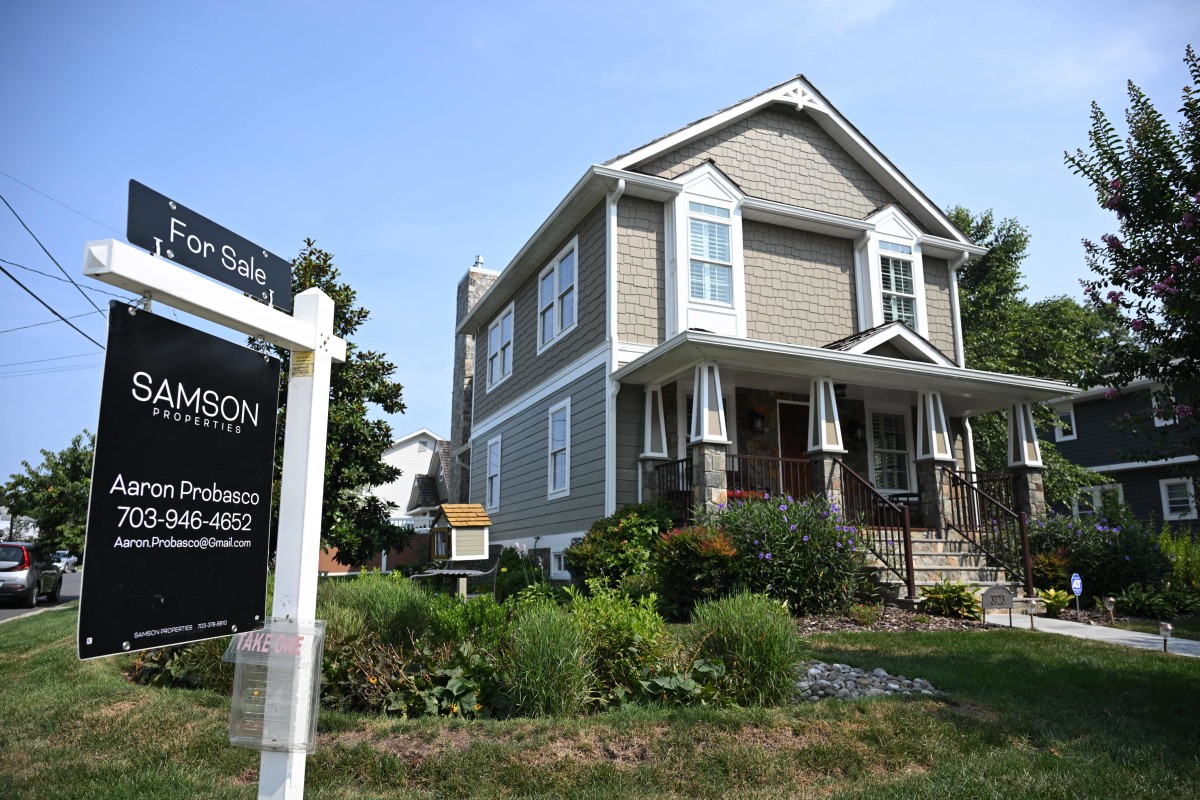 Affordability crunch stalls housing market rebound
ANDREW CABALLERO-REYNOLDS/Getty Images
The housing hangover
Since Covid, the U.S. housing market’s been on a rollercoaster ride.
Related: Huge housing brand franchisee was running a huge con
The first was a massive price surge, followed by a Fed-fueled pullback and now a choppy cooldown heading into mid-2025.
For perspective, home prices jumped about 43% from early 2020 to June 2022.
That momentum had everything to do with rock-bottom mortgage rates, stimulus-fueled savings, and the powerful remote-work boom.
However, the market started to cool fast once the Fed kicked off its aggressive rate hikes in early 2022.
By mid-2023, 30-year mortgage rates surged from just under 3% in early 2021 to over 7%.
Price growth hit the brakes, too.
By late 2024, some cities were seeing significant year-over-year declines, and by April of this year, national gains were down to just 2.7%.
Yet affordability is getting squeezed hard.
Home prices continue outpacing wage growth, and with borrowing costs stuck high, a lot of current homeowners are staying put.
At the same time, tariffs are messing with material costs, crippling supply.
Inventory levels still feel tight as smart money dumps rental homes after nearly two years of falling rents.
Looking ahead, the majority of analysts see either sluggish growth or slight price drops through the rest of 2025.
J.P. Morgan expects sub-3% gains, while Redfin sees prices slipping about 1% by year-end.
More on the housing market:
- New Home Sales Plunge, Keeping Us on the Sidelines With This Bullpen Name
- Billionaire Bill Ackman doubles down on major housing market bet
- Rising gold price has a surprising connection to house sales
The real relief for buyers depends on the Fed cutting rates and boosting new-home construction to ease the supply crunch.
Sharp May slowdown signals deeper trouble for housing market
Sales of new single-family homes nosedived again in May, dropping to a 623,000 annual pace.
That’s down roughly 13.7% from April and 6.3% lower compared to a year ago, highlighting significant market duress.
Related: Warren Buffett’s Berkshire Hathaway expects housing market price changes soon
Meanwhile, inventories of new homes continue piling up while revenues cool off.
By the close of May, builders had just 507,000 new homes on the market, up 1.4% from April and 8.1% from last year.
That’s close to 10 months’ worth of supply, pointing to substantial oversupply.
Affordability remains the biggest roadblock
The National Association of Realtors’ chief economist, Lawrence Yun, says that median home prices have jumped over 50% since 2019, but wages haven’t kept up.
Layer that up with a 6.8% average mortgage rate and it’s no surprise people are backing off
Moreover, it’s not homebuilders feeling the pinch.
The weakened housing market has hit everyone from mortgage lenders to furniture stores. If this slump sticks around, it could prove to be a drag on consumer confidence and slow down the broader economy.
Naturally, things are unlikely to get much better unless mortgage rates drop or prices take a meaningful dip.
Builders might need to cut prices and throw in more incentives. It seems like high inventory and soft demand will stay for a while.
Related: Major housing expert predicts huge change to mortgage rates in 2026