
Casino loyalty programs have long been a staple on the Las Vegas Strip, as ubiquitous as all-you-can-eat buffets, extravagant resorts, neon lights, and energetic nightlife.
These loyalty programs help casinos like MGM & Caesars because they convince high-rollers to come, stay, play, and drop big bucks at the gaming tables.
It’s much cheaper to retain existing customers and keep them happy than to try to acquire new ones, and rewarding frequent gamblers encourages more gameplay and customer engagement.
💵💰Don’t miss the move: Subscribe to TheStreet’s free daily newsletter 💰💵
Gamblers, of course, have also traditionally enjoyed the benefits that loyalty programs offer. Free hotel stays, dining, and event tickets are nice perks that can make Vegas a whole lot more fun, even if visitors aren’t racking up big wins.
Soon, however, these loyalty programs may become a lot less attractive — or even a major liability — to gamblers.
That’s thanks to some little-noticed provisions in the One Big Beautiful Bill that was signed into law on July 4, 2025.
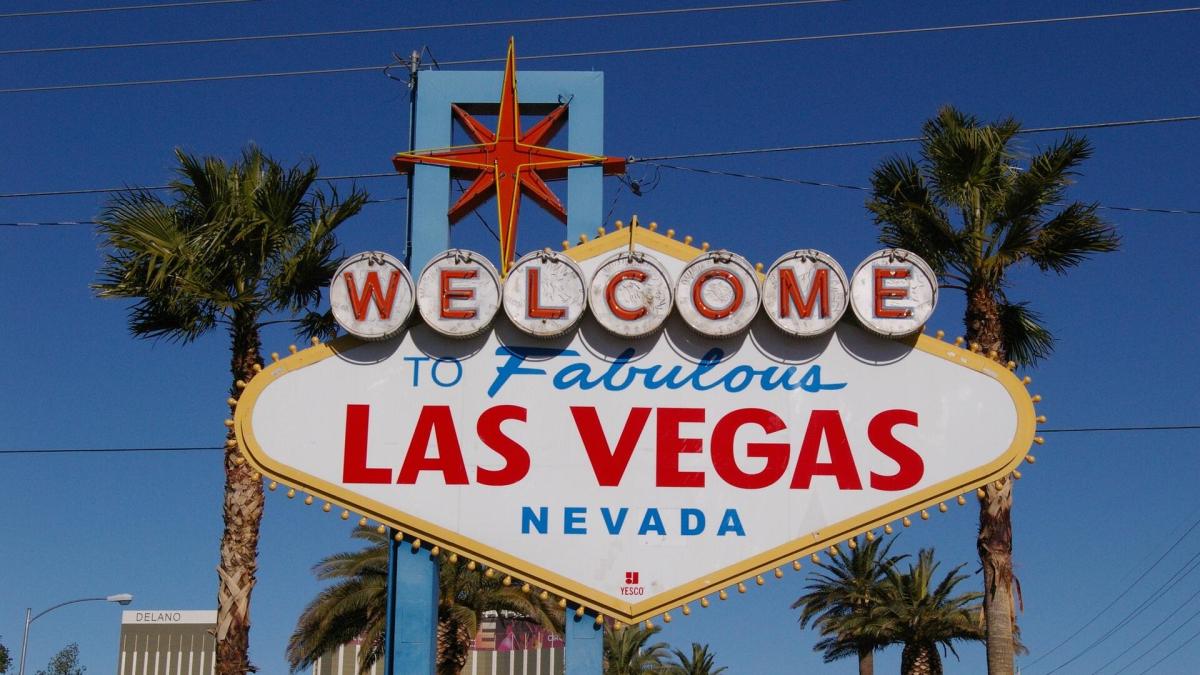 Las Vegas casinos may suffer due to President Donald Trump’s tax bill.
Image source: Pixabay
How the One Big Beautiful Bill Act could kill off casino loyalty programs
Most headlines surrounding the One Big Beautiful Bill Act are focused on changes to property tax rules, or to important government programs like Medicaid and SNAP Benefits – and rightly so, as these are issues that affect every American’s pocketbook.
However, some other modifications buried in the text could take aim at the longstanding tradition of Las Vegas casinos rewarding gamblers for playing. The modifications are centered around the rules for deducting gambling losses and declaring gaming wins.
Related: Another classic off-the-Las Vegas Strip resort casino closes
Under current law, Internal Revenue Code section 165(d) allows taxpayers to deduct 100% of all of their gambling losses to offset up to the full amount of their winnings. This means that if you won $50,000 on one trip to Vegas but lost $60,000 on another, you’d pay no taxes on the money that you won.
The One Big Beautiful Bill Act modifies the rules, and beginning January 1, 2026, IRC Code section 165(d) will be amended so gamblers are allowed to deduct only 90% of their losses to offset the money they win.
So, you could end up having a net loss for the year and still getting stuck with taxes on your gains.
This could happen, for example, if you won $250,000 and lost $265,000. You’d be allowed to deduct 90% of your $265K in losses to offset your $250,000 in wins – but your deduction would only be worth $238,500. You’d now be taxed on $11,500 of your winnings, even though you had more losses than gains.
How does President Trump’s tax law kill off casino loyalty programs?
It’s clear why this tax change might be a bummer, but why would it kill off casino loyalty programs?
It’s simple. Since almost everyone who gambles is now going to owe taxes on their gains, people are not going to want a detailed record of all their gambling transactions, which makes it easier for the IRS to determine if they owe taxes.
Related: Las Vegas Strip casinos can’t shake an alarming trend
Of course, you’re supposed to report all of your gambling income anyway, but many people simply don’t. One report from the Treasury Inspector General for Tax Administration found that 150,000 individuals who collected more than $15,000 in gambling winnings from 2018 to 2020 failed to file tax returns declaring the income.
More on travel:
- U.S. government issues serious warning for cruise passengers
- Delta Air Lines makes a baggage change that travelers will like
- United Airlines passenger incident triggers quick response
This led to $13.2 billion in unreported gambling income. And TIGTA estimates the problem is even bigger in scope, with the IRS losing as much as $1.4 billion each year in uncollected revenue from gaming.
Those who are evading billions in taxes are very likely to determine that forgoing loyalty points is a better option to reduce the increased risk that their recorded gaming history will lead to a big IRS bill.
Related: Veteran fund manager unveils eye-popping S&P 500 forecast