
Even if you barely cook at home, there’s a good chance you have some basic herbs and spices in your cupboard. Black pepper, cinnamon, cumin, garlic powder, onion powder, and oregano are among the most popular.
Many of them are probably imported. Around 85% of the food we eat in the U.S. is grown here, according to the U.S. Department of Agriculture, but that’s not the case with spices.
The reason? Climate or land limitations.
💵💰Don’t miss the move: Subscribe to TheStreet’s free daily newsletter 💰💵
As soon as August 1 (that’s the latest date, anyway), tariffs on goods imported from countries like Indonesia and Vietnam are expected to rise significantly — as much as 40% in some cases — and those costs will be passed on to consumers.
Tariffs will raise effective rates to historic highs since the early 1900s, and economists estimate they’ll nudge up consumer prices by around 1.7% in the short run.
That means with food costs could climb another 2.3%, according to the Yale Budget Lab, the nonpartisan policy research group that provides analysis of federal policy proposals, focusing on their financial, economic, and distributional impacts.
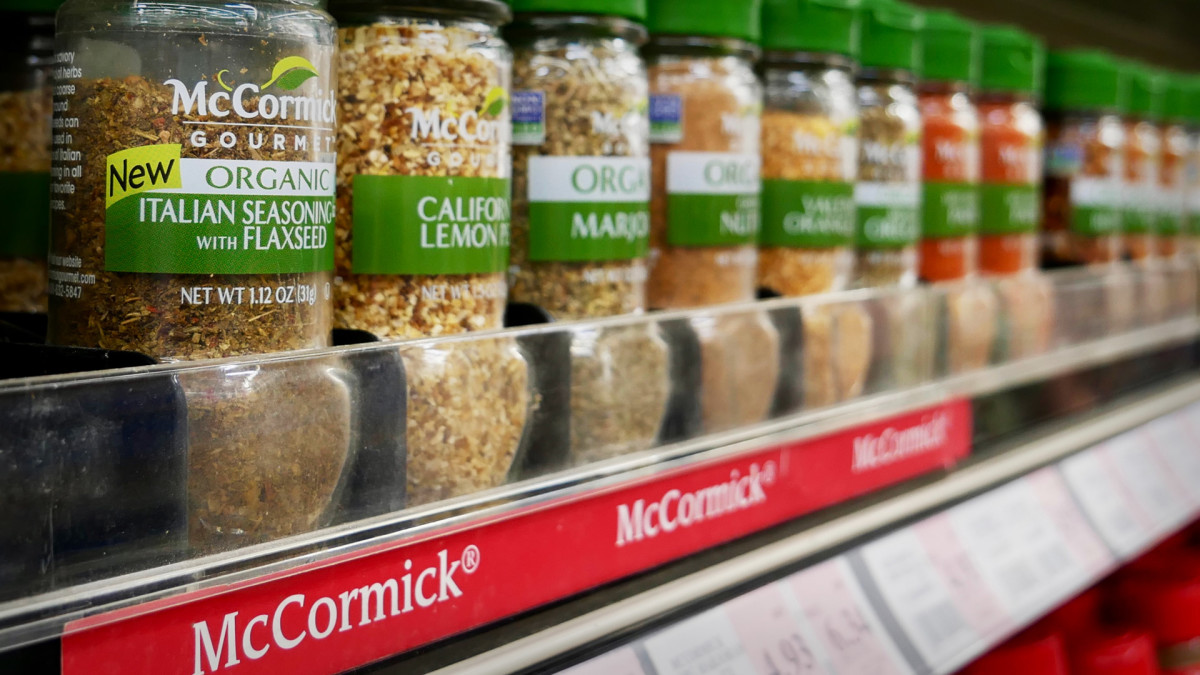 McCormick is the biggest importer of spices in the U.S.
Image Source: Shutterstock
McCormick just issued a stark warning about prices on spices
Last week (July 2, 2025), McCormick — the world’s leading spice company — issued a harsh reminder: U.S. tariffs on imported agricultural products could cost the company up to $90 million per year.
On an earnings call, McCormick’s Brendan Foley and CFO Marcos Gabriel explained that critical ingredients like black pepper, cinnamon, and vanilla aren’t grown in America and now face sweeping duties starting July 9, hitting countries without free-trade agreements.
While McCormick is working to shift sourcing to alternative regions and is relying on analytics to manage costs, Gabriel made it clear that some spices simply cannot be substituted domestically.
Related: Trader Joe’s steals a page from Starbucks’ playbook
The company says it will pass some of these added costs to consumers via selective price hikes in Q4.
With McCormick offering over 17,000 ingredients across 90 markets, the ripple effects could be far-reaching, especially as shoppers increasingly seek exotic flavors like yuzu, lychee, or Peru’s trendy Aji Amarillo pepper.
The American Spice Trade Association underscores the problem, noting that most spices “cannot be grown in America in quantities sufficient for commercial use.”
McCormick will either have to absorb the costs or raise prices, squeezing supermarkets and home cooks.
Tariffs on specialty foods are coming soon
These spice-focused tariffs are just part of a broader wave. In 2025, the U.S. slashed tariff exemptions for goods from countries without trade deals, triggering broad hikes across categories from steel to food.
Analysts say that tariffs could lift grocery costs by more than 2% in the short term, with fresh produce jumping over 5%, potentially adding up to $4,900 per household annually, though cautious consumers might reduce that increase to about $2,600, according to the Yale Budget Lab.
Related: One of America’s oldest breweries may really be shut down forever
Recent inflation data reflect this pressure: U.S. consumer price growth reached 2.4% in May, with much of the rise stemming from groceries and imported goods — fueling expectations for continued food-price inflation.
In the midst of all this, food manufacturers are petitioning the White House for exemptions on key ingredients — hoping to shield consumers from steeper pantry prices.
But unless some relief is granted, shoppers should prepare for more expensive meal staples — spices, produce, dairy, canned items, even tomatoes — to drive up household grocery bills.
And with low-income families spending more of their income on food, the burden will be felt most keenly at the bottom of the economic ladder.
McCormick is sounding the alarm on spice costs, just as tariff-driven inflation begins tightening its grasp on the grocery aisles.
Whether consumers face higher checkout totals may depend on how many ingredient exemptions the industry can secure.