
I recently did something I can’t recommend for everyone: I ordered a “duplicate” Real ID driver’s license so I could keep the spare in my phone case.
Both licenses are from the same state, and having two is not illegal where I live. (In some states, like New York, it is illegal, so this is not something I recommend for everyone.)
Why did I do it? Because I was traveling more often than usual and I’d noticed I was fumbling to get my ID out of my wallet, then putting it in a pocket and forgetting about it. It was kind of a pain.
Now I have a license in my wallet and one I keep with my phone.
Related: TSA’s most-hated policy quietly ends after 23 years
Was it a waste of $18? Maybe.
But it has made getting through TSA PreCheck security lines faster, especially for someone who often rolls up to security 30 minutes before my flight is due to take off. I know, I know. But I live in a small city where this is acceptable, and I almost always travel with only a carry-on bag.
My habit is in clear defiance of the two-hours-in-advance arrival that the Transportation Security Administration (TSA) recommends, but it has been working for me.
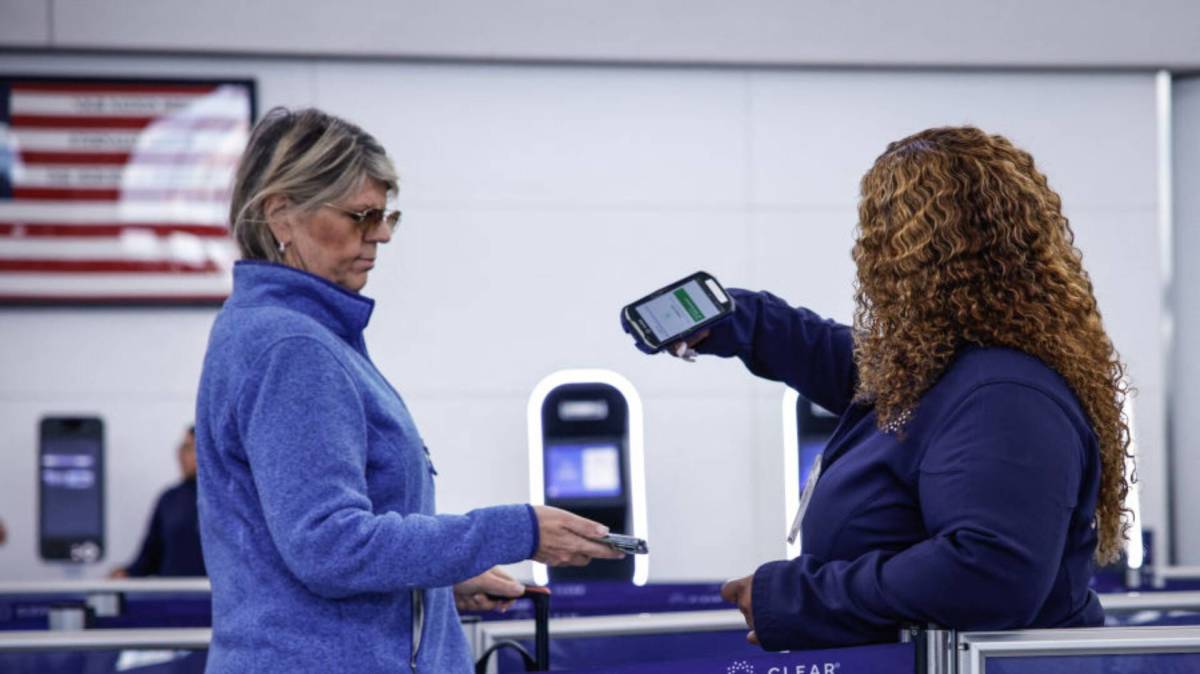 Air travelers can prevent airport headaches by heeding TSA reminders.
Image source: Kena Betancur/Getty Images
TSA issues reminder to check in earlier
In the first year or so following the pandemic, when travel started to return to normal, people were more mindful of the rules and recommendations.
But now, with millions of passengers traveling by plane every week again, many of us make avoidable mistakes that slow the process for everyone. That’s why the TSA regularly issues reminders about packing smart, arriving early, and brushing up on the rules related to carry-on items and checkpoint screening.
From liquids over 3.4 ounces to forgotten IDs and incorrectly packed electronics, common missteps can lead to longer lines, missed flights, and even confiscated items.
The TSA processes more than 2 million travelers daily, and each additional delay at a checkpoint compounds quickly.
Even something as small as wearing metal-heavy accessories or not having documents ready can slow down the process. The TSA advises passengers to remove belts, coins, and large jewelry in advance and to keep identification and boarding passes handy.
Related: TSA warns passengers to avoid this popular airport convenience
Electronics larger than a cell phone should be removed from carry-on bags and placed in a separate bin, unless you’re enrolled in TSA PreCheck.
In many cases, people simply forget the basics. “People seem to forget some of the more common and routine steps they need to take when packing for a flight, or when they are going through a checkpoint,” said John F. Kennedy International Airport TSA officer Christopher Kirchein. “While these mistakes aren’t rare, they can be a real pain for you, the TSA employees at your checkpoint, and the growing line of anxious passengers forming behind you.”
In a recent advisory, the TSA emphasized the importance of early arrival for all flights, especially now, during the busy summer travel season and over holiday weekends.
While the agency typically recommends arriving two hours before a domestic flight and three hours for international travel, officers are now urging passengers to be even more proactive.
With lines growing longer and staffing stretched at some locations, showing up well in advance could help you avoid missing your flight altogether.
TSA rules around check-in times haven’t changed dramatically in recent years
The new reminder doesn’t change official TSA policy but reflects recent trends at busy hubs like JFK, LAX, and Atlanta Hartsfield-Jackson. Travelers are often surprised by how long it takes to get through security, particularly when traveling with young children, medical equipment, or unfamiliar carry-ons and if they don’t have TSA PreCheck.
Plus, major airports are increasingly testing new technology, including facial recognition and 3D scanners, which can occasionally cause longer wait times as passengers learn to navigate new systems.
Related: TSA quietly cracks down on popular travel essential
The TSA also recommends checking your airline’s specific check-in and bag drop cutoff times, which may differ from airport to airport. And if you’re flying from a major hub during peak hours, it’s worth adding extra time beyond the standard guidelines.
While the TSA’s rules haven’t changed dramatically in recent years, the consequences for forgetting them have grown more significant due to increased travel volume and heightened security protocols.
Something as simple as packing your toiletries in a clear plastic bag, or ensuring that your laptop is accessible, can shave minutes off your wait time — and potentially save your flight.
For the most up-to-date guidance, passengers are encouraged to visit TSA.gov or download the MyTSA app, which provides real-time wait times, lists of prohibited items, and location-specific security updates.
And if you’re trying my ID hack, check your state’s ID laws first — and always leave time for airport surprises.