
For many Americans, purchasing a new car is a major decision that often begins with evaluating whether their current vehicle is still suitable or needs replacing.
Once that determination is made, considerations around budgeting and financial goals add complexity to the decision-making process, making it all the more important to choose wisely.
Financial advisor and radio personality Dave Ramsey offers helpful guidance — and a cautionary note — to support buyers in navigating this journey with confidence and clarity.
💰Don’t miss the move: Subscribe to TheStreet’s free daily newsletter💰
Ramsey urges car shoppers to move past the fantasy of discovering a perfect, ideal vehicle. Rather than chasing perfection, he emphasizes selecting a vehicle that aligns with practical needs and financial boundaries.
That begins by asking down-to-earth questions: Do you need a car or a truck for your everyday routine? How many people do you usually travel with? Is fuel economy a priority? What kind of storage capacity is essential?
Related: Dave Ramsey has blunt words for Americans buying a car
Ramsey reminds car buyers that no single vehicle will meet every wish. The smart approach is distinguishing between true necessities and optional luxuries — and envisioning how the vehicle will hold up over time.
He also recommends a deliberate, unhurried search. Look beyond just the local showroom and explore online marketplaces to get a full picture of what’s out there.
His core message: Don’t leap at the first offer that seems appealing. A better fit might be waiting just around the bend.
Still, Ramsey offers a caution about one unavoidable reality of car shopping — and a tip for turning that potential pitfall to your advantage.
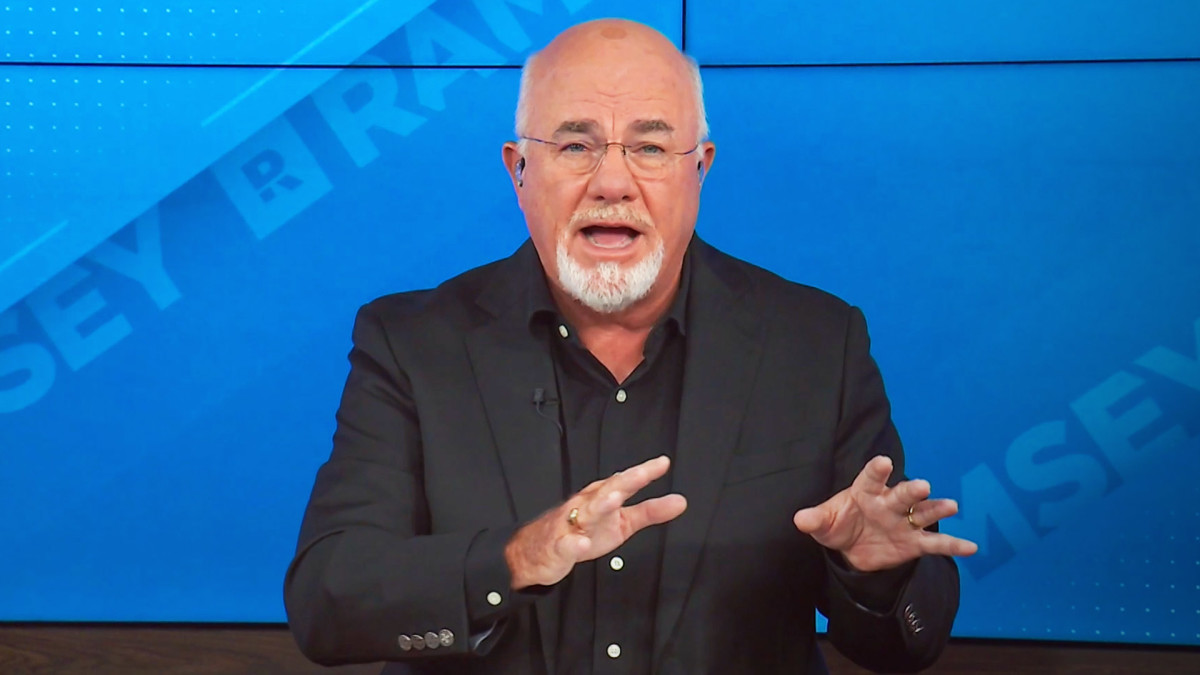 Dave Ramsey speaks with TheStreet about personal finance issues. One big concern for American families is car buying.
Image source: TheStreet
Dave Ramsey has a blunt warning on buying a car
Ramsey offers a reality check for prospective car buyers.
“Brand-new cars drop in value like a bag of rocks, losing 60% of their value in the first five years,” he wrote.
“In other words, you should only consider buying a new car if you have plenty of money to burn,” Ramsey continued. “Our rule of thumb: Unless you have a net worth of $1 million or more, choosing a used car over a new one is the smart thing to do.”
More on personal finance:
- Dave Ramsey offers urgent thoughts about Medicare
- Jean Chatzky shares major statement on Social Security
- Tony Robbins has blunt words on IRAs,401(k)s
With that in mind, Ramsey gets down to the serious business of making a financial decision that suits a car buyer’s needs.
Dave Ramsey encourages prospective car buyers to pare down their choices to a few vehicles that fall within their budget and meet their everyday needs.
He emphasizes evaluating factors like safety ratings, acceleration, fuel economy, comfort, and how the car handles adverse weather.
Ramsey cautions that while a sporty sedan might be tempting, practicality often points to a more functional option — like a minivan for a growing family.
He stresses that affordability alone shouldn’t drive the decision. Just because a vehicle fits financially doesn’t guarantee it fits the buyer’s lifestyle.
His advice: Stay grounded in reality and choose a vehicle that aligns with long-term needs rather than fleeting preferences.
Related: Dave Ramsey has blunt words on 401(k)s, retirement savings
Dave Ramsey suggests an important tip for car buyers
Ramsey views the test drive as a critical — and even enjoyable — step in the car-buying process. He believes that by the time you walk into a dealership, you should already have a clear idea of the make and model you’re targeting.
Without that clarity, salespeople may try to nudge you toward pricier vehicles loaded with features you don’t really need.
Ramsey warns buyers to stay vigilant against upselling tactics. Just because a car has shiny extras such as premium speakers or heated seats doesn’t make it a sound financial choice — especially if it stretches your budget.
When it comes time to take the wheel, Ramsey recommends choosing a varied driving route. He points out that a car can behave very differently depending on the setting — highway speeds, city traffic, and rough surfaces all reveal different traits.
Car buyers should remain alert for red flags during the test drive, such as odd noises or unexpected vibrations, which might signal underlying issues.
In Ramsey’s view, making a smart purchase means being intentional, observant, and financially disciplined from start to finish.
Related: Jean Chatzky sends strong message on major 401(k) changes