
Grocery labels aren’t helping anyone eat better.
Most people want to eat healthier, but the packaging doesn’t make it easy.
Consumers are bombarded with buzzwords like “natural,” “made with real ingredients,” and “low sugar,” only to flip the package and find ingredient lists that read like a chemistry final.
Nutrition labels haven’t changed much since the ’90s — even though food culture now includes things like adaptogenic mushroom lattes and collagen cereal.
And front-of-pack labeling? That’s mostly for marketing — not for helping you figure out if you just bought dessert disguised as granola.
Related: A growing number of shoppers are avoiding this ingredient
Shoppers are stuck squinting at labels, guessing what’s actually inside and hoping for the best.
It’s especially frustrating for busy parents, people managing health conditions, and anyone trying to shop smarter without turning grocery runs into detective work.
Even the label readers (the ones actually trying, myself included) still walk away unsure, wondering if they accidentally bought sugar in a wellness costume.
Now, a crew of clean-label brands is stepping in with a mission to cut through the chaos.
They’re not just putting out better products. They’re coming for the system that’s made label reading feel like solving a mystery with your eyes half-closed.
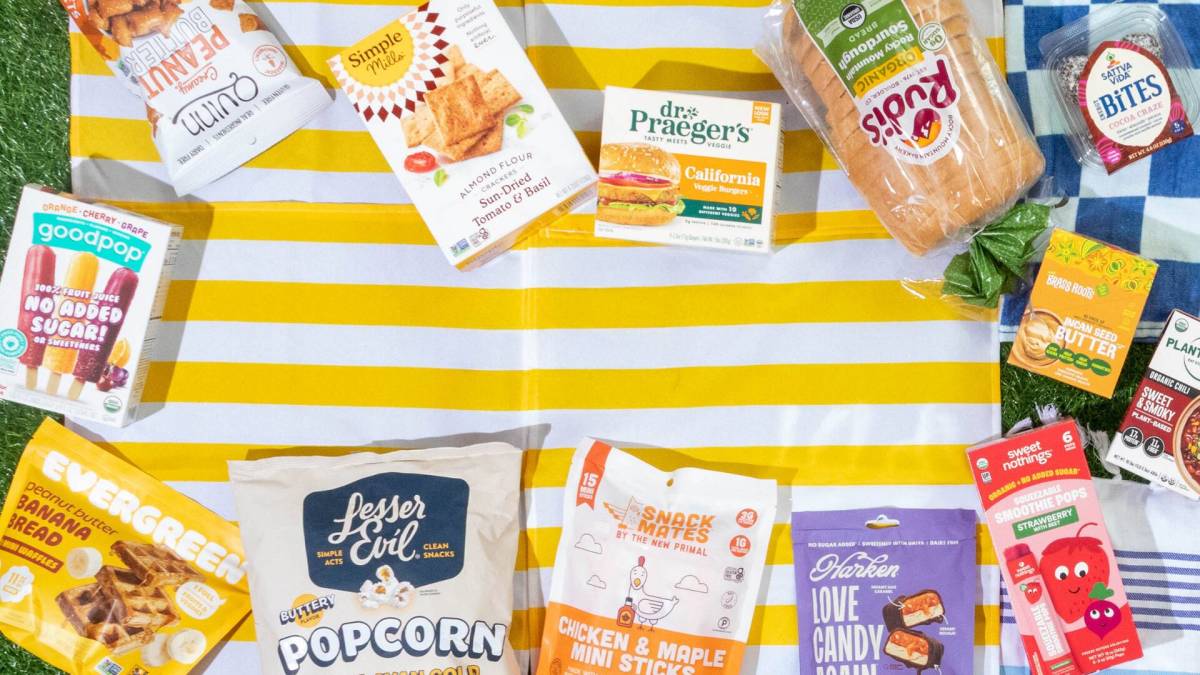 The Good Food Collective wants to make healthy eating easier.
Image source: Good Food Collective
Clean-label brands launch new coalition for change
GoodPop has teamed up with LesserEvil, Quinn, Evergreen, Interact Brands, and more to launch The Good Food Collective (GFC), a new coalition pushing for transparency, smarter packaging, and better industry standards, according to a July 2025 press release.
Their first move? A bold proposal regarding the FDA’s front-of-pack nutrition labeling rule, including a redesigned label that makes it painfully obvious when a product is basically a salt bomb or sugar trap.
According to GFC’s formal comment to the FDA, simply moving numbers to the front of the package isn’t enough — consumers need clear warnings, not more math problems.
Instead of hiding behind fine print, their redesign slaps warnings on the front, uses simplified language, and adds a QR code where shoppers can get the real story. It’s tech-meets-truth in the snack aisle.
And it works: 76% of shoppers said they’d scan the QR code, and 86% said the new label would help them pick healthier options. In addition, 87% said it would make them feel confident choosing foods that fit into a healthy diet — compared to just 40% who feel that way with current labels.
Related: Ziploc, Rubbermaid face alarming lawsuits over food safety risks
GFC isn’t just here for one FDA rule. Every member has pledged to follow these new standards across its own packaging — from ingredient transparency to honest visuals (no more slapping a banana on something that tastes like birthday cake).
Other early members include Actual Veggies, Sweet Nothings, Rudi’s Bakery, ZICO, Plantstrong, Culture Pop Soda, Daily Crunch, and more.
The goal? Make smart shopping the default, not a part-time job.
And they’re just getting warmed up.
Honestly, I’m pumped about this. As someone who cares way too much about ingredients and spends way too long in the snack aisle decoding packaging, seeing these brands come together feels like a huge win.
Why clearer labels could change how people eat
This isn’t just a wellness war cry or another corporate promise wrapped in recycled cardboard.
If the Good Food Collective succeeds, it could rewrite how Americans buy and trust their food.
Most grocery decisions happen in seconds. Design, habit, and “health halo” claims do most of the work. The GFC wants to shift that balance, so people actually know if their “immune-boosting snack” is just a candy bar with a college degree.
By the end of 2025, they plan to recruit 30+ member brands. The FDA’s next move on front-of-pack labeling could help tip the industry (and the shelf) toward transparency.
The business case is strong, too. In a $1 trillion grocery market, brands that help shoppers feel informed (and not duped) can win long-term loyalty…and maybe even push bigger players to clean up their labels, too.
As GoodPop founder and CEO Daniel Goetz said, “We believe every person deserves honest, transparent information about the food they consume…This has been a goal of mine since I founded GoodPop.”
As the GFC wrote in its formal comment to the FDA, “Let’s not just move ineffective, existing labels around — let’s build a system that truly works for this generation, as well as the next generation of consumers.”
So no, this isn’t just about snacks or QR codes. This is about fixing a broken system that’s made healthy eating harder than assembling Ikea furniture without the instructions.
And if this crew has its way, grocery shopping might finally come with less guesswork…and fewer label-induced eye rolls.
Related: Disaster hit Texas, and this brand quietly stepped up fast