
It’s funny how often the tools we trust most open the back door without us realizing it.
Given the fast-evolving cybersecurity landscape, state-sponsored threats have grown more precise and quiet, with even routine enterprise software coming under the microscope.
💵💰Don’t miss the move: Subscribe to TheStreet’s free daily newsletter💰💵
Though the headlines chase high-profile attacks, a quieter breach could potentially be reshaping how agencies think about risk.
The latest one didn’t arrive with fanfare, but its ripple effects are starting to surface.
It’s the kind of cyber threat that challenges assumptions about where the next attack is likely to originate.
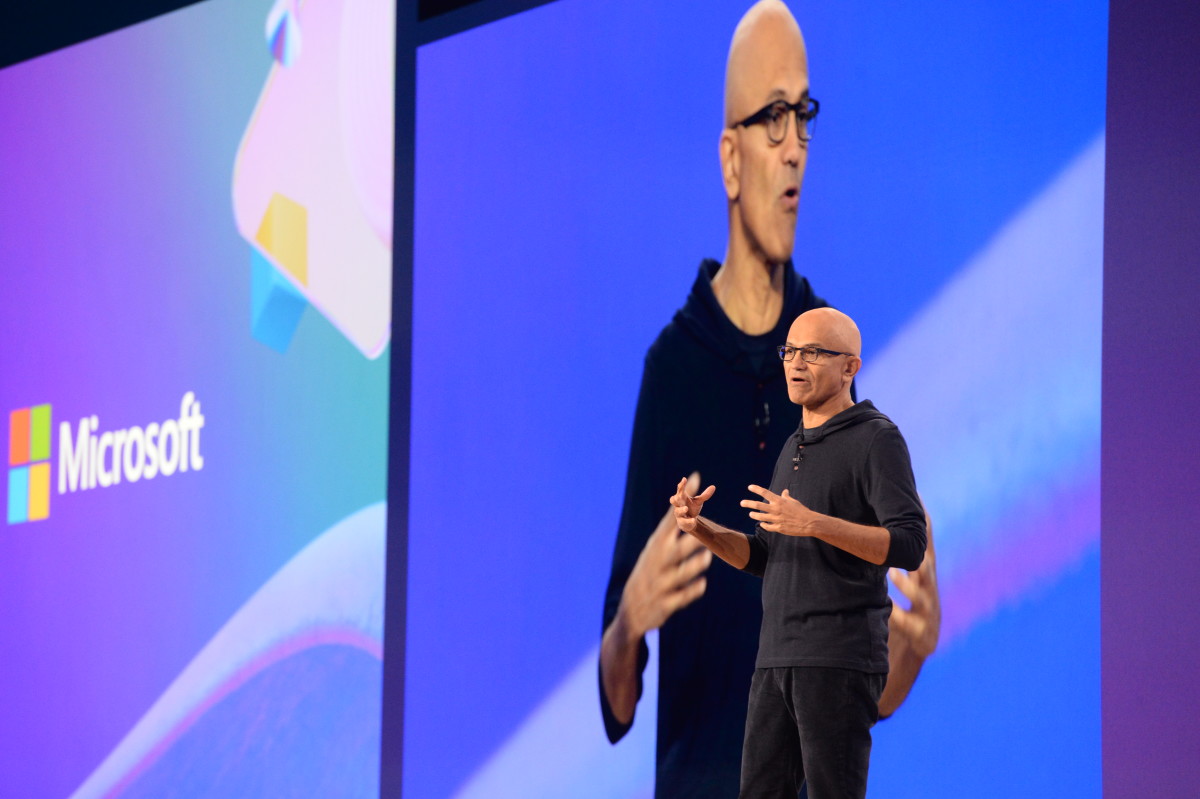 A vulnerability in a Microsoft file-sharing tool is at the center of a growing cyber probe.
Image source: picture alliance/Getty Images
The trillion-dollar threat behind every cyber breach
The financial toll of cyberattacks has been exploding.
Last year, the average cost of a solitary data breach hit a record $4.88 million, according to IBM and the Ponemon Institute.
That’s a healthy 10% bump in one year, and it’s only getting worse.
Case in point is the MOVEit ransomware attack from a couple of years ago, orchestrated by the Cl0p gang and representing one of the costliest in history.
The global price tag came in at more than $15.8 billion.
Related: Morgan Stanley recalibrates its view on Apple stock ahead of earnings
That covers everything from legal bills, customer notifications, system rebuilds, and damage control across both public and private sectors.
Health care took a massive hit, too.
A botched CrowdStrike update in summer last year disrupted operations at 759 hospitals. More than 200 reported impacts to direct patient care. That included emergency patches, delayed procedures, and forced IT rollbacks, which pushed the costs higher.
And things haven’t slowed down this year, either.
Rubrik Zero Labs reports that a whopping 74% of organizations discovered their backup systems were compromised during an attack.
Even more alarming, over one-third lost their backups entirely.
Then the June credential breach saw 16 billion passwords leaked in a single event. The damage is still unfolding, but industry experts expect upwards of $20 billion in fallout, led by identity theft protection, forced password resets, and potential lawsuits.
Analysts now expect global cybercrime damages to reach a dizzying $10.5 trillion by the close of the year, up 15% year-over-year.
More News:
- Top economist drops 6-word verdict on Trump tariffs, inflation
- JPMorgan reveals 9 stocks with major problems
- Major analyst revamps Nvidia stock price target after China surprise
Companies are scrambling to roll out AI threat detection and zero-trust systems, while U.S. agencies are under immense pressure to meet these new breach-reporting rules.
Microsoft SharePoint flaw linked to cyber breach at U.S. nuclear agency
Bloomberg reports that hackers exploited a loophole in Microsoft’s (MSFT) SharePoint software in breaching systems at the U.S. National Nuclear Security Administration (NNSA).
The agency is responsible for developing and dismantling nuclear weapons, powering Navy submarines, and handling radiological emergencies.
Alhough apparently no classified material was stolen, the breach is serious.
SharePoint, used widely in government and corporate networks, became the entry point for bad actors. According to a Department of Energy spokesperson, the hack began on July 18 but was limited due to the use of Microsoft’s cloud-based services.
Microsoft confirmed Tuesday that several Chinese-linked hacking groups, including names like “Linen Typhoon,” “Violet Typhoon,” and “Storm-2603,” have been exploiting SharePoint’s flaws.
The attackers targeted internet-facing servers in gaining unauthorized access. Once inside, they stole usernames, passwords, hash codes, and sign-in tokens.
Related: Veteran analyst drops surprise call on Tesla ahead of earnings
Cybersecurity firm Eye Security said the weaknesses enabled hackers to impersonate users, even with the patches in place. Hackers can maintain access through hidden back doors or modified files that can survive updates and reboots.
Eye Security has tracked over 100 compromised servers across 60 organizations, including universities, energy firms, and others.
Other government entities that took a hit include the likes of the U.S. Department of Education, the Florida Department of Revenue, and Rhode Island’s General Assembly.
A Florida official stated that the incident is still under investigation at multiple levels of government.
Also, Microsoft clarified that only on-premises versions of SharePoint were impacted, while the cloud versions on Microsoft 365 remained safe.
Meanwhile, the Chinese Embassy in Washington denied any involvement, saying China is against any forms of cyberattacks and calling for conclusions based on evidence.
The investigation is ongoing as Microsoft and U.S. officials track additional actors using the same entry points.