
As an avid Oura user, I’m no stranger to *slightly* obsessing over sleep data.
I’ve tracked my deep sleep, REM cycles, HRV, and recovery scores like a mini scientist in a silk sleep mask. I’ve timed workouts based on my readiness score.
When it comes to the link between sleep and performance, I’m not new here.
But even with all that tracking and optimization, this new study got my attention.
Researchers looked at millions of nights of sleep—over 6 million to be exact—and what they found was something most of us (myself included) tend to overlook. It’s not just about how much you sleep.
Related: FDA eliminates 52 food standards in sweeping deregulation move
It’s about when.
And more specifically: what happens when you go to bed later than usual.
The impact? Subtle at first. But if you’re trying to be consistent with your workouts, boost your energy, or just feel better, those late nights might be holding you back.
Even if you’re still getting 7 to 8 hours of sleep.
That’s what makes this study different. Because this time, we’re not just talking about sleep duration. We’re talking about timing—and how it can affect your body and behavior the very next day.
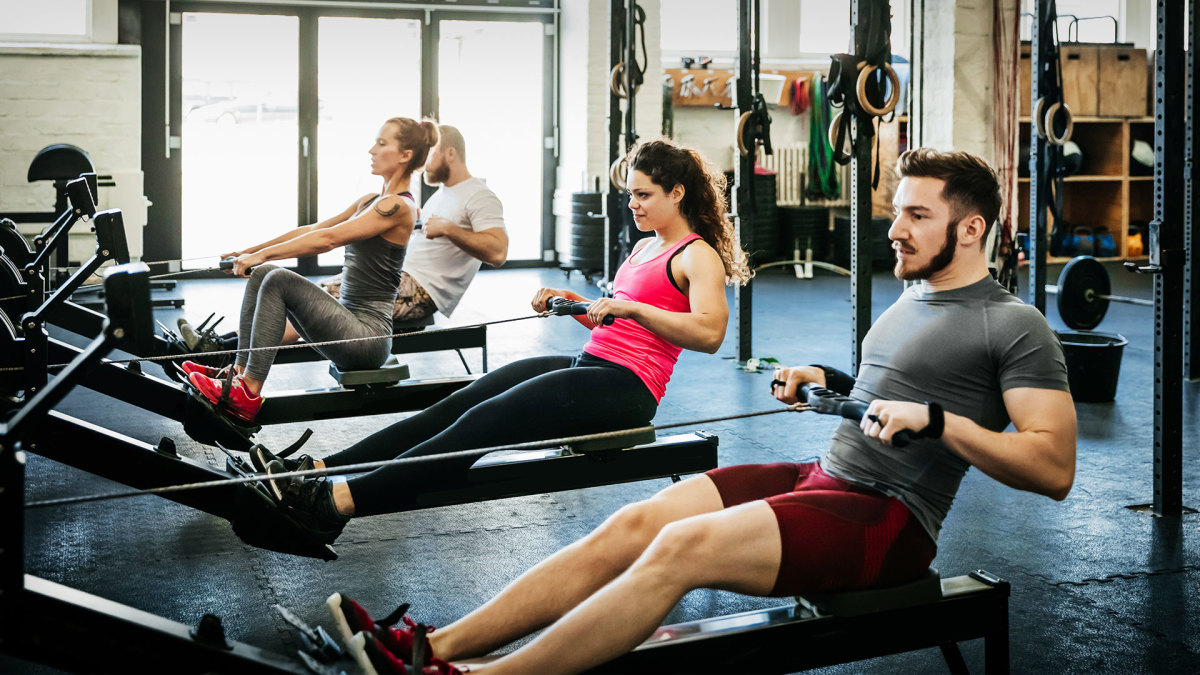 What time you sleep may decide how much you move tomorrow.
Image source: Getty Images
Why your bedtime could be hurting your workouts
The study, published in PNAS, looked at over 6 million nights of sleep data from nearly 26,000 adults using wearable fitness trackers. Specifically, over 19,000 WHOOP users and nearly 6,000 Fitbit device users.
Here’s what they found: people who went to bed earlier were more likely to exercise the next day. And the difference? Bigger than you’d think.
For example, compared to those who went to sleep around 1 a.m., people who consistently went to bed at 9 p.m. logged 28 more minutes of moderate-to-vigorous physical activity (MVPA) the next day.
Even more surprising? People who slept less overall, but went to bed earlier, often exercised more than those who slept longer but went to bed later. In other words, timing beat out total sleep when it came to getting people moving.
I spoke with Dr. Mark Czeisler, Resident Physician at Brigham and Women’s Hospital and Clinical Fellow at Harvard Medical School, who co-authored the study led by Josh Leota, a Research Fellow at Monash University.
Related: These clean food brands are rightfully challenging the FDA
He explained why bedtime and not just sleep time matters:
“People got the most intense exercise when they preserved their usual sleep amount, but went to bed earlier than they typically do,” he said. “That suggests these health behaviors aren’t competing with each other. They’re best thought of as working in concert.”
Think about it: if you’re staying up late to finish one more episode or scroll TikTok, you could be trading away the energy and motivation you’ll need tomorrow.
Dr. Czeisler also noted that early sleepers are more likely to get in their workouts before the day gets busy. Morning routines tend to be more reliable—and that consistency matters.
What WHOOP and Fitbit data reveal about everyday behavior
While this study tracked people living their normal lives—not under lab conditions—it’s truly a big moment for sleep and fitness tech.
And it supports something companies like WHOOP, Fitbit, Apple Watch and Oura have been saying for years: when you sleep matters just as much as how much you sleep.
The WHOOP data came from users who were already pretty active—averaging 90 minutes of MVPA daily. But the researchers confirmed the same trend in a broader group, using Fitbit data from the NIH’s All of Us program.
Even people who weren’t exercising much still saw a difference. Earlier bedtimes meant more movement the next day.
As Dr. Czeisler put it:
“The way to guarantee exercise is really to protect the morning. And so going to bed earlier, you know, lends itself to doing that.”
So if you’re trying to get consistent with your workouts, improve your energy, or just build better habits, maybe start by looking at the clock.
Going to bed a little earlier might be the simplest, most powerful performance tool you’re not using yet.
Protect your mornings, people! I know I do…
Related: Watch out Fitbit and Apple Watch, Amazon has entered the chat