
Owning a recreational vehicle (RV) and spending a year, or a few years, traveling around the world is still a dream for me and my husband.
When we were younger, we often wondered why people whom we usually saw driving RVs were always older than us (we were in our early 20s then). It didn’t take long to figure it out — the expense.
RVs are quite pricey, but the cost matches the offering — adventurous, unrestrained, and liberating traveling. The best kind!
💵💰Don’t miss the move: Subscribe to TheStreet’s free daily newsletter 💰💵
How much does an RV cost?
According to HomeGuide, it’s between $20,000 and $600,000 on average. Or more precisely:
- $20,000 – $100,000 average towable RV price;
- $50,000 – $600,000 average RV motorhome price;
- Up to $5,000,000 for a luxury RV.
Thankfully, for those who are still not able to own one, there are options of renting or buying a used one.
Over the last couple of years, RVs have become more popular. It started with the Covid pandemic when travel trailer sales experienced a notable boost, earning them the nickname “Covid campers.”
Many Americans were desperate to travel during the crisis but feared being infected. The safest option turned out to be a camper.
And the popularity of RVs seems to have continued in the post-pandemic environment.
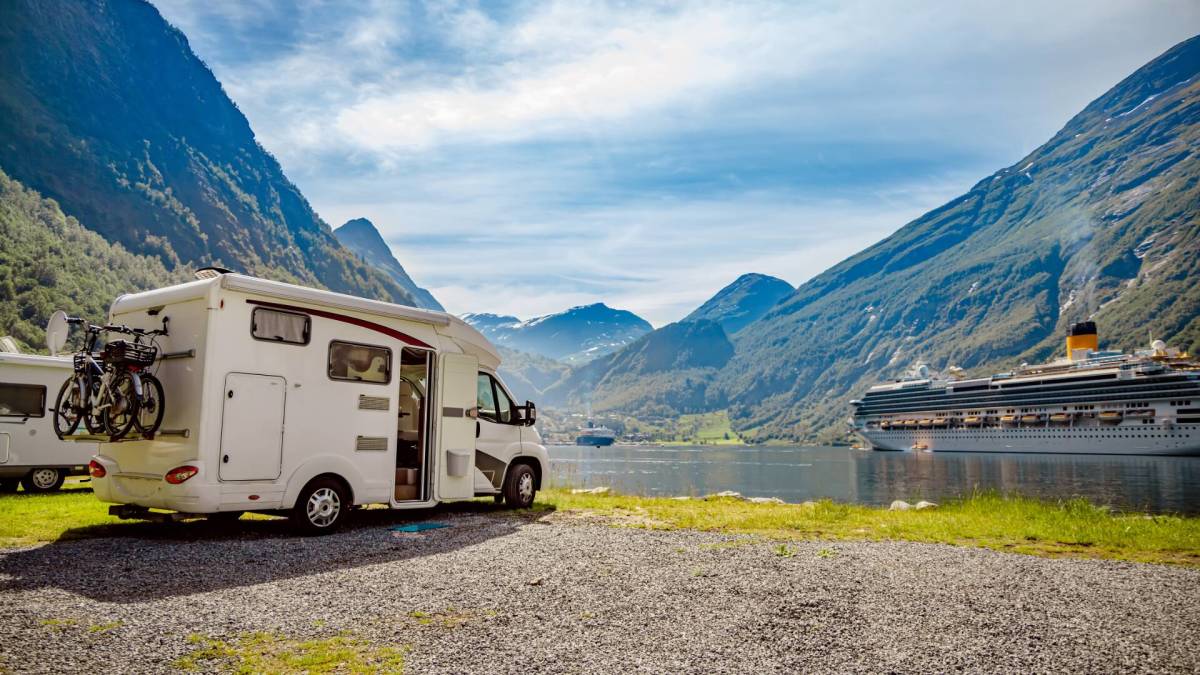 Camping World made hard cuts over the last few months, but saw record RV sales in the second quarter.
Image source: Andrei Armiagov/Shutterstock
Camping World posts impressive earnings despite store closures
Camping World (CWH) is one of the biggest retailers of RVs, RV accessories, and RV-related services in the United States. It has operated for 59 years and went public nine years ago, raising $251 million.
Related: Delta Air Lines faces pushback over new pricing policies
On July 29, the retailer posted impressive second-quarter results with $2 billion in revenue, up 9.4% from the same period last year.
Adjusted diluted earnings per share missed analysts’ estimates, delivering $0.57 instead of the projected $0.6. However, earnings per share improved 50% from the previous quarter.
More importantly, Camping World set a record in quarterly RV sales, selling 45,602 units — including 26,696 new and 18,906 used units — in the three months ended June 30.
Both new and used RV sales improved over 20%, indicating the popularity of RVs, writes RVtravel.
The largest RV dealer has also faced challenges in the last few months. Since January, the company has had to lay off 1,000 employees.
“That’s an unfortunate circumstance, but we have made the hard cuts,” explained Camping World CEO Marcus A. Lemonis during an earnings conference.
More Retail:
- Supermarket inflation: Beef prices soar as egg prices fall
- Popular energy drink pulled from shelves for containing vodka
- Amazon’s quiet pricing twist on tariffs stuns shoppers
Over the last five to six months, the company closed 16 stores, but this helped it raise unit count per store, improving profitability and margin profile per store.
One of the store closures was particularly unusual.
One Camping World store closure sparked ongoing controversy
It all started in October 2024, when Camping World hung a gigantic American flag at the company’s location on the corner of Evans Street and Red Banks Road in Greenville, North Carolina.
Related: Popular energy drink pulled from shelves for containing vodka
According to council members, the flag is close to the size of a basketball court and flies on a 130-foot-tall pole, almost double the size of the current regulations.
City lawmakers voted to take legal action against the flag because it violates city ordinance, and they fined Lemonis $15,000. The dispute impacted the company’s business in Greenville, as the company had to close one of its two stores there.
The lawsuit was officially filed in June and is costing the city a whole lot of money — thousands in taxpayer dollars.
In early July, Camping World was said to be facing $27,500 in fines, while the city is fining it $250 per day until the flag is removed or complies with the rules, reports News ABC 12.
Camping World Representatives requested 30 more days to respond to the suit, taking matters into August.
So far, Lemonis reiterated several times he has no plans to take the flag down, as it represents something very personal for him — a symbol of his childhood dream.
Looking forward, business-wise, Lemonis says the company is confident in its “mid-cycle earnings power.” It projects to generate well over $500 million of adjusted EBITDA and aims to expand gross margins by 100 basis points over the next 18 months.
Earlier in June, Camping World expressed support for the One Big Beautiful Bill, especially praising the RV loan interest deduction provision, which would “provide RV families with long overdue affordability relief after years of rising inflation, and stubbornly high interest rates.”
Year-to-date, Camping World’s shares have dropped 34.35%, trading at $13.84 per share.
Related: US travel industry faces huge setback from One Big Beautiful Bill Act