
Earnings were fine. Still, Warren Buffett’s Berkshire Hathaway’s (BRK.A) , (BRK.B) real message wasn’t in the numbers, but in the restraint.
Operating earnings dipped slightly, and a massive $3.8 billion Kraft Heinz write-down dragged headlines.
However, Berkshire’s quiet stance said more than any earnings beat.
While Greg Abel now leads day-to-day operations, the firm’s capital allocation mantra remains unmistakably Buffett.
💵💰Don’t miss the move: Subscribe to TheStreet’s free daily newsletter💰💵
When it repeatedly passes on buybacks, though, it’s not just a pause; it’s a message with multiple implications.
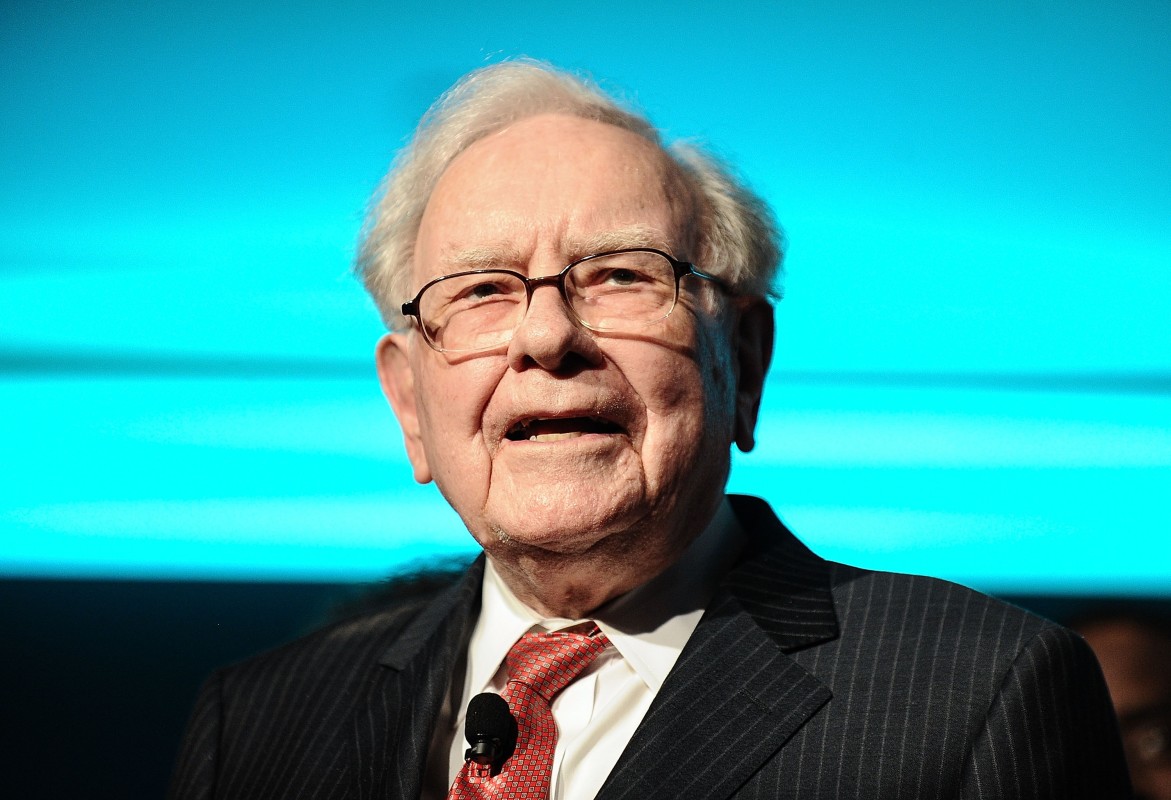 No Q2 buybacks and fresh equity trimming hint at Berkshire’s deeper market view.
Image source: Daniel Zuchnik/WireImage
Why Berkshire Hathaway’s buyback silence speaks volumes
Warren Buffett’s share buyback strategy has always been about value over volume.
Since 2018, Berkshire’s playbook on buybacks has been straightforward.
If Buffett and the late Charlie Munger felt the stock was trading below what they saw as fair value, they’d pounce.
Related: Warren Buffett unloads $1.2 billion of this popular tech stock
If not, they’d be sitting tight. That’s a far cry from the old 1.2× book value cap they used to follow.
Importantly, Buffett is also a big believer in a robust liquidity buffer, typically around $30 billion, so that buybacks remain mostly opportunistic.
This framework explains why, even with Berkshire’s cash pile soaring near a record $344 billion in mid-2025, it hasn’t bought back a single share for four straight quarters.
The pause indicates that Buffett views the stock as too expensive.
History backs up this disciplined stance.
Share repurchases peaked at a whopping $2.58 billion in December 2022 and $2.38 billion in March 2023, then steadily dropped to roughly $800 million by June 2023. They rebounded slightly later in the year before falling to just $345 million by June 2024.
Hence, when Berkshire saw value, it bought aggressively. When valuations rose or macro risks increased considerably, it took a step back.
Berkshire Hathaway’s buyback pause and stock selling send a clear signal
Berkshire Hathaway didn’t just report earnings this quarter; it sent a clear message.
In Q2 2025, Warren Buffett’s timeless investment firm posted $12.37 billion in net earnings to shareholders, down sharply from $30.3 billion in the year-ago period.
Related: Jim Cramer sounds off on tariffs, hot economy, and interest rate pressures
Operating earnings, which cut away at market swings, dropped 4% year-over-year to $11.16 billion, on the back of a crippling $3.8 billion write-down (pre-tax roughly $5 billion) linked to Kraft Heinz and softer insurance results.
However, the bigger tell wasn’t in the income statement but in what Berkshire didn’t do.
For the fourth consecutive quarter, the investment giant opted against repurchasing any of its own shares.
That marks a full year of buyback silence, with the last meaningful buybacks in mid-2024.
Also, as Buffett’s team continued trimming their stock holdings, Berkshire offloaded $6.92 billion worth of stocks in Q2 while purchasing just $3.9 billion.
That made it a net seller of roughly $3 billion, extending its streak of 11 consecutive quarters of net equity selling, totaling north of $177 billion since October 2022.
Even as its peers look to buy back stock and lean into rising markets, Buffett’s firm seems content to sit on a growing pile of cash.
For some, that effectively sounds the alarm on stock valuations. The firm’s reluctance suggests it sees better opportunities ahead, or potentially more turbulence.
At the same time, perhaps the move requires greater nuance. The pause could likely reflect discipline, not panic.
More News:
- Amazon’s quiet pricing twist on tariffs stuns shoppers
- Nvidia avoids White House crackdown; Trump softens on AI giant
- Bank of America flags 3 breakout stocks to watch ahead of earnings
A big enough market reset could flip Berkshire from seller to buyer in a heartbeat. So that colossal cash hoard isn’t just sitting there; it’s looking for the right moment.
Insurance softens, but float rises
Insurance has been a critical Berkshire Hathaway earnings driver, and in Q2, it showed some cracks.
The insurance segment was the primary drag on the firm’s 4% year-over-year drop in operating earnings.
However, softness wasn’t exactly a shock to Buffett watchers, with him saying nothing earlier this year that 2024’s insurance results were “as good as it gets.”
Related: Microsoft CEO sends a surprising message on quantum computing
That said, underwriting performance remained positive.
All three core insurance units posted underwriting profits, including GEICO, Berkshire Hathaway Primary Group, and Berkshire Hathaway Reinsurance Group.
GEICO, for instance, boasted a combined ratio of just 83.5%, meaning it paid out only 83.5 cents per premium dollar in losses and expenses.
However, Berkshire took a big hit from the $3.8 billion impairment on Berkshire’s long-held stake in Kraft Heinz.
That marked another chapter in what’s considered to be Buffett’s rare investing misfires. He previously admitted overpaying for the deal, and this quarter’s write-down only added to his woes.
That said, another critical metric might be float.
Berkshire’s insurance float jumped to a handsome $174 billion, roughly $3 billion higher than at the end of 2024.
That’s critical, as float allows the firm to invest billions before paying out claims, making it essentially free capital. On a per-share basis, float hit $120,983.
Nevertheless, the bigger picture is more about discipline, fitting Buffett’s longstanding preference for value over action.