
On May 2, the day before Warren Buffett said he would retire at the end of 2025, Berkshire Hathaway shares hit a record.
Two 52-week highs, actually:
💵💰Don’t miss the move: Subscribe to TheStreet’s free daily newsletter💰💵
And then the stocks tumbled, about 14.5% for each class, just about every day until early August.
The bottom came Aug. 4, when the A shares closed at $692,690 and the B shares at $459.11.
Related: Stock Market Today: Target’s new man at the top
Since then, both Berkshire classes are up about 5.7%, not too shabby a gain over roughly 10 days.
The lesson: Don’t count out Berkshire Hathaway.
What drove the stock down?
Buffett’s retirement announcement.
The decision, at the very end of Berkshire’s annual meeting, probably surprised a lot of fans who forgot he was 94.
Buffett and his partner, Charlie Munger, were a fantastic team of money managers who made billions for Berkshire on such stocks as Apple (AAPL) and American Express (AXP) . (Munger passed away at 99 in November 2023.)
Indeed, Berkshire’s 13F filings with the Securities and Exchange Commission, which show buys and sells, are required reading for serious investors.
Related: Treasury Secretary delivers candid take on US buying Intel stock
If someone as legendary as Buffett suddenly abandons the fray, that’s a known unknown.
Greg Abel, Buffett’s named successor, is not known as a stock picker, the Motley Fool notes.
But he is a seasoned operating manager. He has been chairman of Berkshire Hathaway Energy, which owns multiple utilities across the Midwest and West. And Berkshire also runs giant businesses like the Burlington Northern Santa Fe Railroad.
Buffett in fact noted that Abel isn’t afraid to dig into operational problems, something the boss didn’t like to do all that much.
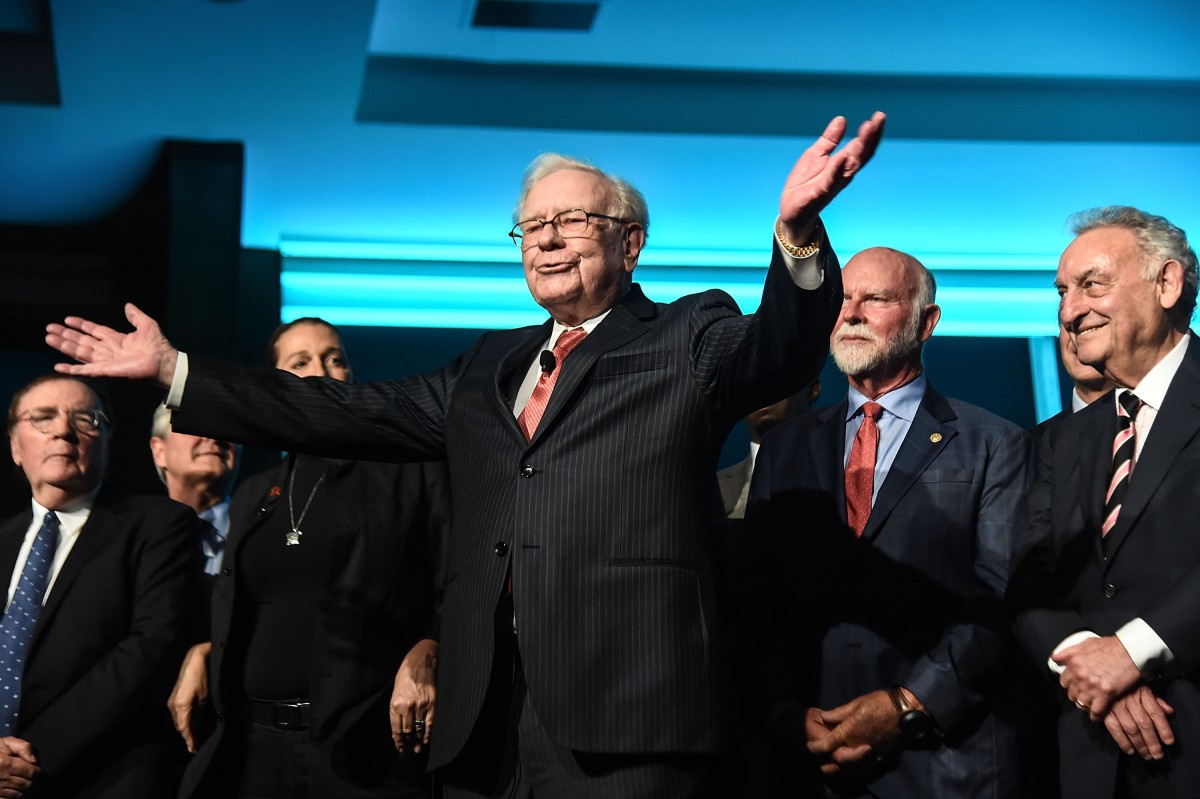 Warren Buffett (center) is joined by 24 other philanthropist and influential business people featured on the Forbes list of 100 Greatest Business Minds in 2017.
Daniel Zuchnik/Getty Images
Tech stocks soared after the market’s April bottom
Lots and lots of money managers started chasing the hot stocks, including:
- Nvidia (NVDA) , up 102.8% since the low.
- Palantir Technologies (PLTR) , up 139% from the low.
- Facebook-parent Meta Platforms (META) . up 56% from the low.
- Microsoft (MSFT) , up 48% from the low.
- Broadcom (AVGO) , 139%.
And Berkshire? Up only single digits.
That makes sense. You don’t chase losers. Until losers stop falling. As Berkshire Hathaway did on Aug. 4. And, if you’re a value investor, like Buffett, you don’t chase hot stocks.
Related: Walmart’s view on tariff impacts will move this week’s markets
The entry point is key. Hence, you buy UnitedHealth Group (UNH) at roughly $320, after the stock has fallen nearly 50% since November. (And to be sure, UnitedHealth has problems that will take time to solve.)
Berkshire shares are up a couple of percentage points in August. Nvidia, meanwhile, has fallen more than 10% since Aug. 13.
More Warren Buffett:
- Guilfoyle: Buffett Injected Hope in UnitedHealth. But There’s More to the Story.
- Warren Buffett buys battered UnitedHealth, sells more Apple
- Buffett’s Berkshire Hathaway sounds dire retail warnings
So, Berkshire has outperformed those hot stocks.
Related: Coinbase shares slide after hours
For how long? That’s not clear. Berkshire has $340 billion in cash and short-term securities on its balance sheet, including billions in Treasury securities. Berkshire Hathaway, you see, is the ultimate defensive play.
It has a huge portfolio of subsidiary businesses. So, investors will buy the shares until the hot stocks get hot again.
Futures trading suggests stocks overall will open lower on Wednesday.
Related: Palo Alto Networks’ growth, outlook in AI earn plaudits from veteran trader, analysts