
Boycotting — the act of conscientiously refusing to patronize a brand or buy a product for moral reasons — has been a common way for consumers to exercise collective influence for well over a century. In the modern day, boycotts are usually targeted at large brands and tend to be organized informally through social media campaigns that are shared widely between individuals with similar moral or political views.
In recent years, the U.S. has seen major boycotts from both sides of the mainstream political spectrum, and the brands in question have definitely felt their impacts — not just in the form of lower revenue but also in terms of reduced “goodwill,” which is corporate speak for the financial value of customer loyalty and positive public perception.
Here, we dive into five of the biggest brand boycotts of the modern day, examining each campaign’s origin and impact. First, however, some background:
What is a boycott, exactly?
A boycott is a form of protest in which individuals abstain from interacting with a business, organization, or person, usually with the hopes of compelling the target to make some kind of change.
In the modern era, most high-profile boycotts are organized by consumers and target brands and businesses whose actions, messaging, investments, or products are perceived as harmful. The goal of these types of boycotts is to exert economic pressure strong enough that the company’s leadership is pressured to make a relatively major change — like divesting from a certain market, changing its labor or manufacturing practices, or terminating a particular executive.
And while most modern boycotts are of specific corporations, older boycotts tended to be either broader or more specific in scope, targeting countries, laws, and even individual people.
Related: The most startling corporate bankruptcies of 2025 (so far)
How did boycotts originate? A short history of the phenomenon
The word “boycott” actually comes from the surname of the subject of an early boycott in Ireland. Charles Boycott was a sort of property manager for a wealthy absentee landowner. When the landowner refused to lower rents for the farmers who leased his land after a year with a poor harvest, Boycott was tasked with evicting those who couldn’t afford to pay.
In response, locals shunned Boycott — his former employees refused to work with him, merchants refused to trade with him, and his postman even refused to deliver his mail. Word of this collective action reached the international press, inspiring similar actions elsewhere, and Charles Boycott’s last name soon became a popular verb.
Related: The highest-paid artists on Spotify (& how much they’ve made)
Another major early boycott was the Swadeshi movement, which actually predated the use of the word “boycott.” Popularized by Gandhi but originating prior to his birth, the movement saw many Indians boycott imported British goods in favor of local ones to make the country more self-sufficient and push it toward its eventual independence. The Boston Tea Party was a similar step in America’s journey toward independence from Britain.
Later, the Montgomery bus boycott, which followed Rosa Parks’ refusal to give up her seat and subsequent arrest, eventually resulted in a Supreme Court ruling that deemed Alabama’s racial segregation rules for buses unconstitutional.
4 of the most high-profile boycotts in recent memory
Zooming back to the present day, what are some of the biggest boycotts in modern history? The following boycott movements are notable for various reasons — some cost their subjects significant amounts of money, while others made headlines or divided consumers along political lines. Each is worth noting for its unique impact on the modern corporate landscape.
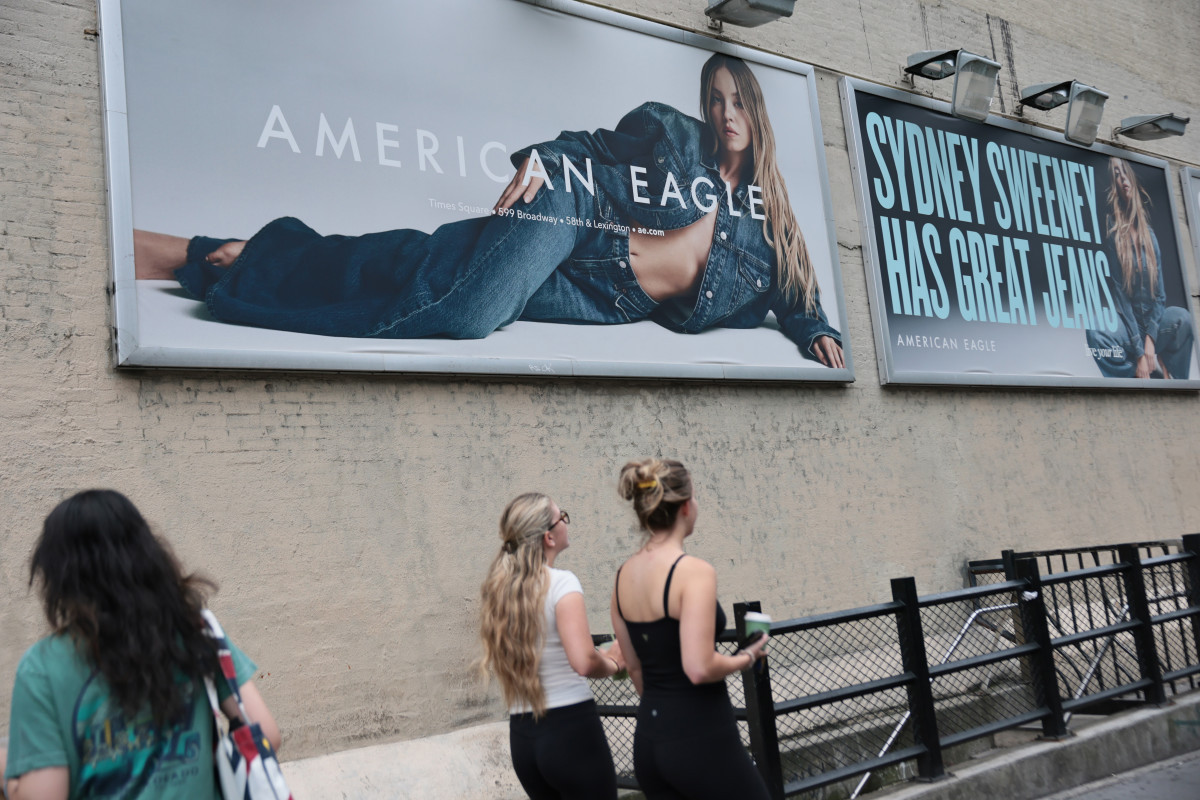 American Eagle’s recent ad campaign divided consumers down political lines, with some claiming the ads, which feature republican actor Sydney Sweeney, evoked eugenic rhetoric.
Michael M. Santiago/Getty Images
American Eagle boycott (July 2025–present)
The most recent boycott on this list — that of quintessential preppy apparel brand American Eagle — was sparked by what at first appeared to be a relatively innocuous advertisement featuring one of the most popular young actors of the day: Sydney Sweeney.
How did the American Eagle boycott originate?
In late July 2025, American Eagle released several ads for its denim clothing lines starring White Lotus and Euphoria actor Sydney Sweeney. One video ad in the campaign showed Sweeney on camera, clad in a blue denim jacket and jeans. Sweeney speaks to the camera, saying, “Genes are passed down from parents to offspring, often determining traits like hair color, personality, and even eye color.” As the camera pans up to the blond actor’s blue eyes, she says, “My jeans are blue.”
While at first, the ad, which relies primarily on Sweeney’s good looks and a relatively silly denim-based pun, seemed innocuous, some viewers sensed a more subtle, pointed, political undertone. Among those whose criticisms of the ad were shared widely online was author and lecturer Dr. Sayantani DasGupta, who described the ad’s content as “eugenic messaging.”
Many others were quick to notice that the use of a blond-haired, blue-eyed model, combined with the implication that genes and parental lineage are responsible for physical appearance and attractiveness, seemed to invoke the eugenic, racist, and white supremacist ideology of the Nazi party.
Disagreement over whether the content of the ad was, in fact, a subtle endorsement of eugenic beliefs or simply a poorly thought-out, pun-and-sex-appeal-based marketing play sparked plenty of online debate that played into the existing cultural divide between right-wing and left-wing keyboard warriors.
Among those who derided the ad as a eugenic dog whistle, an informal boycott of the brand was launched.
View the original article to see embedded media.
How did the boycott impact American Eagle?
As the most recent boycott on this list, and one of the least organized or formal, it’s difficult to determine whether the boycott has had, or will have, a detrimental financial impact on the apparel brand. That being said, foot traffic to American Eagle’s brick-and-mortar stores fell significantly (on a year-over-year basis) during the two weeks following the release of the ad campaign after having risen the two weeks prior, according to Retail Brew. Of course, there is no way to definitively tie this decline directly to the boycott.
Nevertheless, the controversy surrounding the ad campaign and the public responses from notable figures on either side of the political divide may have cemented American Eagle as a “right-wing” brand in the eyes of the public, which could lead to increased patronage from “anti-woke” customers and decreased patronage from those on the other end of the spectrum.
President Donald Trump called the AE campaign the “HOTTEST ad out there” on his Truth Social platform, while VP J.D. Vance described the negative responses to the ad as an attempt by the Democratic Party to “attack people as Nazis for thinking Sydney Sweeney is beautiful.”
Around the time the ads came out, multiple outlets reported that Sweeney herself was a registered republican, further fueling the politicization of the formerly apolitical apparel brand.
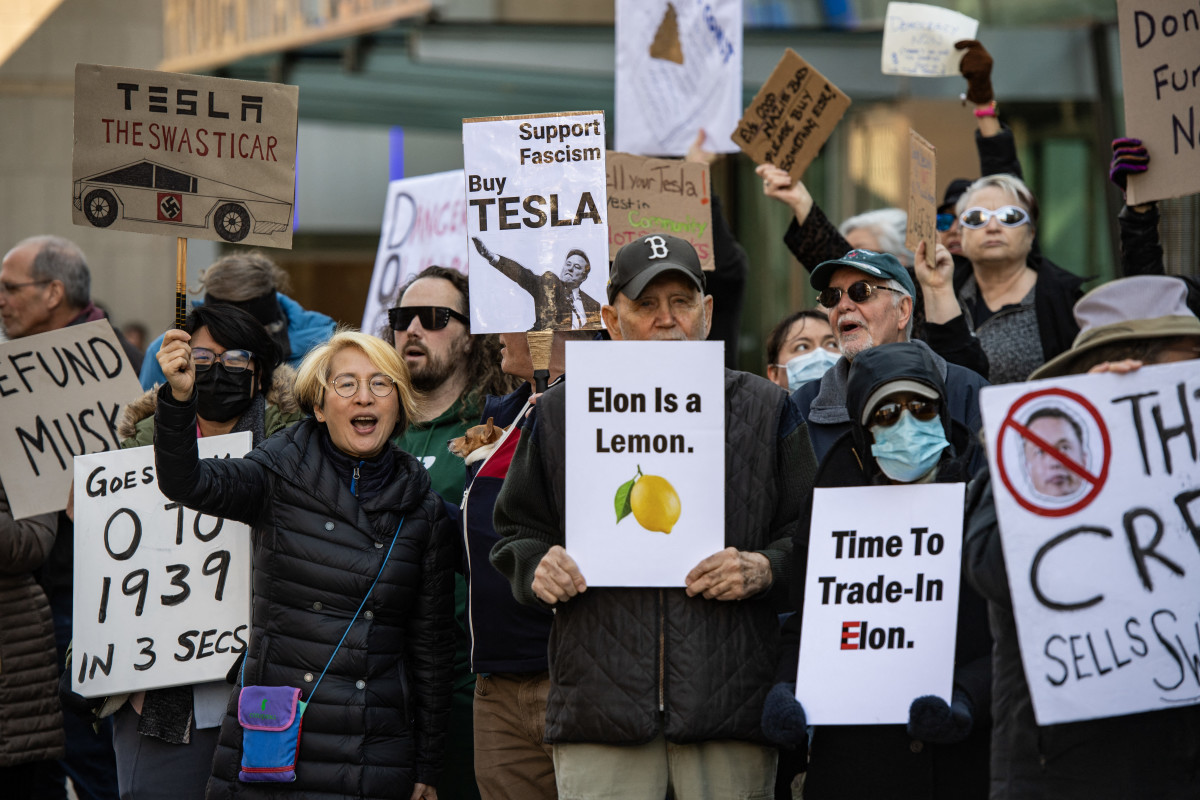 Musk’s sudden rise to immense political power through his former unelected role as President Donald Trump’s advisor and head of DOGE sparked widespread protests in early 2025 as many consumers began to boycott Tesla, Musk’s EV brand.
JOSEPH PREZIOSO/Getty Images
Tesla boycott (early 2025–present)
While more minor and less organized protests of Tesla have come and gone in past years, early 2025 saw a major and long-lasting boycott movement aimed at the EV maker, due primarily to the actions of its longtime CEO, Elon Musk.
How did the Tesla boycott originate?
Referred to by some as the “Tesla Takedown,” 2025’s Tesla boycott was centered around encouraging the public to divest from the company by refusing to buy new or used Tesla vehicles, selling or trading in any currently owned Tesla vehicles in favor of other cars, and selling Tesla stock.
This movement, which also included widespread demonstrations organized outside of Tesla showrooms in cities around the U.S. and abroad, arose as a response to Elon Musk’s unelected move into far-right American politics.
Prior to Trump’s 2024 election victory, Musk provided $130 million to his campaign personally, plus another $200 million via the political action committee he created. Once in office, the president quickly appointed Musk to lead his newly created Department of Government Efficiency, which partially defunded a number of federal agencies and departments, including the Department of Education and the Social Security Administration, resulting in widespread losses of previously stable jobs, services, benefits, and regulations.
Related: Movie theater subscriptions compared: Prices & perks at a glance
Since Musk was not elected to government office but used his massive wealth to significantly bolster Trump’s second presidential campaign, much of the public viewed his sudden foray into government at Trump’s behest as an oligarchical power move through which he and the president circumvented the machinations of representative democracy to seize power and exercise undue influence on the country.
How did the boycott impact Tesla?
While the Tesla boycott is ongoing as of this article’s last update, its impacts were quickly felt by the company. In the first quarter of 2025 alone, Tesla’s net income dropped 71% year over year. In the second quarter, Musk’s endorsements of far-right European politicians seemed to affect the automaker’s popularity abroad as well, with international sales falling 13% year over year.
Tesla’s stock price also took a hit as consumer sentiment soured. Beginning the year trading at around $400 per share, the stock fell more than 40% as the boycott grew in popularity, hitting lows of around $225 per share multiple times between March and May.
View the original article to see embedded media.
And while it’s impossible to definitively attribute plummeting profits and falling stock prices directly to a boycott, it’s been widely speculated by journalists at AP, the Wall Street Journal, and elsewhere that the drastic increase in negative sentiment toward Musk and his brand contributed significantly to the automaker’s financial struggles in 2025.
Musk’s increasingly far-right political ties and activities with DOGE have certainly affected Tesla’s identity and reputation as a brand, with many Tesla owners adorning their EVs with anti-Elon bumper stickers to express their disdain with the brand’s CEO.
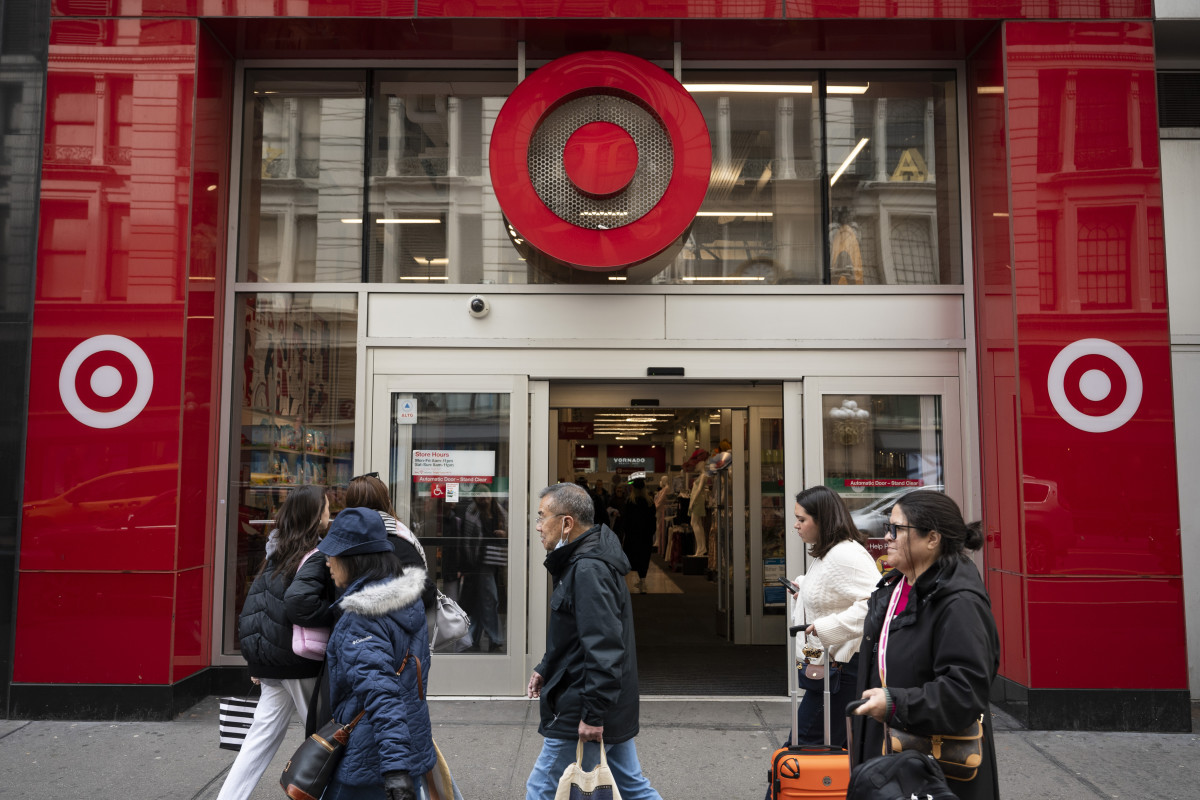 After decades of leading the retail industry in racial and LGBTQ equality initiatives, Target did an about-face and nixed its entire DEI program after President Trump condemned DEI in a speech, sparking a large boycott from concerned customers.
Target boycott (early 2025–present)
Target was one of many high-profile brands to incorporate new racial equity initiatives into its business practices in 2020 during the aftermath of the murder of Black Minneapolis resident George Floyd by white police officer Derek Chauvin. These policies didn’t stick around, however, and some consumers took notice.
How did the Target boycott originate?
Target has a long track record of DEI, having created its Office of Diversity and Inclusion in 2003. The company earned a perfect score on the Human Rights Campaign’s Corporate Equality Index in 2009, and it formalized a policy affirming that customers and employees may use whichever restroom best fits their identity in 2016.
Like many companies, Target began incorporating far more racial equity initiatives into its operations in 2020 after the murder of George Floyd. First, the company designated Juneteenth, a celebration of the end of state-sanctioned slavery in the U.S., as an official company holiday. Two months later, Target launched its Racial Equity Action and Change (REACH) committee to further its efforts to uplift Black employees and suppliers.
Related: Costco vs. Sam’s Club: Memberships, prices, & perks compared
The brand’s new, racially focused efforts included committing to increasing Black representation in its workforce by 20% over three years, spending $2 million sourcing products from Black-owned businesses by 2025, providing anti-racism education to staff, and launching an annual scholarship program for Black students in partnership with the United Negro College Fund.
Through these efforts, Target developed a degree of goodwill among Black consumers, so when the brand did a political and social U-turn after President Donald Trump’s election, Black communities and anti-racist consumers took notice of the apparent hypocrisy. On January 20, 2025 — the first day of his presidency — Donald Trump issued an executive order terminating diversity, equity, and inclusion efforts in the U.S. government. Just days later, he condemned DEI in the private sector in a speech.
Target heard this message loud and clear, announcing just a day later that it was terminating its Racial Equity Action and Change (REACH) program and dismantling its supplier diversity team. The company also said that it would no longer participate in any diversity-focused surveys, including the Human Rights Campaign Corporate Equality Index, which it had historically scored very well on.
The backlash was immediate. Two days after the retailer’s announcement, the Twin Cities Pride Parade announced that it would be refusing Target’s donation and barring the brand from participating in the procession. The organization quickly made up for the refused donation money via a crowdfunding campaign, signaling that the broader Twin Cities queer community agreed with the decision to condemn Target.
When February arrived several days later, the company posted a video displaying some of its Black History Month collection, spurring a firestorm of negative comments from social media users calling the brand out on its hypocrisy given its recent DEI cuts. Target didn’t post about Black History Month again that February, despite having made eight related posts the previous February and 11 in February of 2023.
View the original article to see embedded media.
In March, famed Georgia minister and activist Dr. Jamal Harrison Bryant spearheaded a boycott called TargetFast, in which shoppers would “fast” from visiting Target for the month of Lent in an effort to pressure the company to make good on its earlier promises to uplift Black workers and community members.
According to Bryant, African Americans spend about $12 million at Target stores daily, so he hoped the boycott would have a real impact and be successful in eliciting a response from the company’s leadership. No response was received, though, so Bryant extended the boycott, and as of this article’s last update, it remains ongoing.
How did the boycott impact Target?
While it’s difficult to separate the negative financial effects of a boycott from downturns due to other variables like changing consumer behavior and the effects of inflation on spending, Target has not fared particularly well since its DEI pivot.
Data from Placer.ai showed that foot traffic at Target stores began to decline in late January after the cuts were announced, and this trend continued in the months that followed, according to TheStreet. By April 22, foot traffic had fallen on a year-over-year basis for 11 straight weeks.
In a March 10-K filing with the SEC, the company itself noted the impacts of the boycott, stating, “We recently announced that we modified and concluded certain of our initiatives related to diversity, equity, and inclusion, which resulted in adverse reactions from some of our shareholders, guests, team members, and others.”
Data from analytics company Caliber revealed that Target’s approval rating among its respondents dropped by 11 percentage points in February compared to the previous survey, which was administered in January before Target announced the changes.
The company’s second-quarter earnings report revealed that comparable-store sales fell 3.2 percent compared to the previous year. According to Reverand Bryant, the leader of the TargetFast boycott, “They will continue to hemorrhage.”
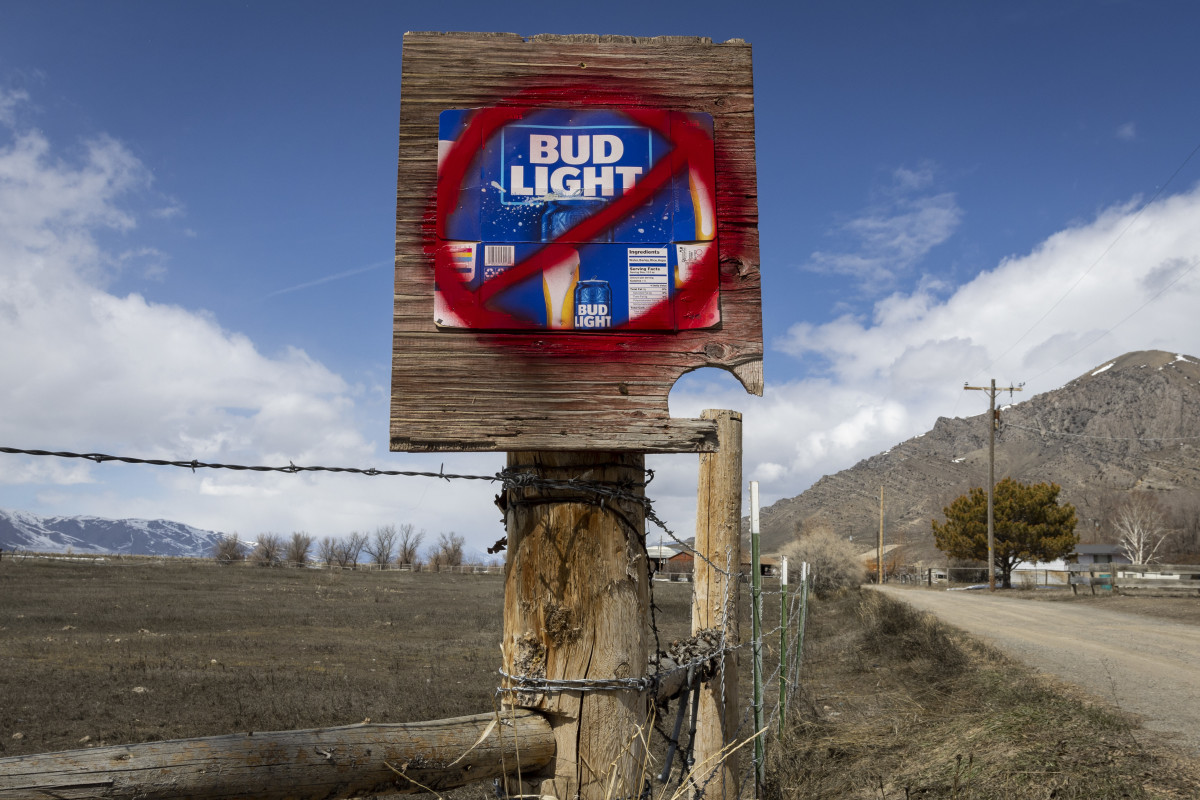 After Bud Light partnered with a trans woman for an Instagram post, right-wing celebrities, politicians, and influencers lambasted the legacy beer brand, sparking a massive boycott whose financial impact is still being felt by the brand today.
Natalie Behring/Getty Images
Bud Light boycott (spring 2023–2025)
In 2023, iconic American beer brand Bud Light, and by extension its parent company, Anheuser-Busch InBev, became the subject of a highly publicized boycott endorsed by a variety of conservative celebrities and politicians.
How did the Bud Light boycott originate?
In the spring of 2023, actress Dylan Mulvaney, who rose to internet prominence by documenting her gender transition experience on TikTok over the course of the previous year, posted a promotional video as part of a partnership with Bud Light.
The video features Mulvaney dressed as Aubrey Hepburn’s iconic Breakfast at Tiffany’s character, Holly Golightly, and opening a Bud Light while joking about March Madness. Later in the video, Mulvaney happily shows off a custom can of Bud Light with her own face on the label that the company sent her to celebrate her 365th day of womanhood.
View the original article to see embedded media.
Despite the short and innocuous nature of the promotional video, it spread far and wide, almost immediately sparking outrage from anti-trans celebrities and political commentators, who called for a boycott of the iconic beer brand due to its partnership with a trans woman.
Two days after Mulvaney’s video came out, Musician Kid Rock recorded a video of himself shooting several cases of Bud Light with a submachine gun while wearing a MAGA hat before saying “F**k Bud Light and f**k Anheuser-Busch.” In just a month, the short clip had been viewed over 10 million times, and a chorus of other well-known musicians, mostly from the country music scene, had joined Kid Rock in condemning Anheuser-Busch and calling for a widespread boycott of the brand’s products.
Other supporters of the boycott, inspired by Kid Rock’s viral clip, recorded videos of themselves destroying Bud Light products in a wide variety of ways. Florida’s Republican governor, Ron DeSantis, also spoke publicly about his support of the boycott, saying, “I’d rather be governed by ‘We the People’ than woke companies. I think pushback is in order across the board including with Bud Light.”
Members of the political far-right weren’t the only ones to shun the brand, though. After then-CEO Brendan Whitworth issued a vague statement in response to the controversy that neither apologized for the ad nor supported Mulvaney or the trans community, many trans-supportive consumers, mostly from the opposite side of the political spectrum as the original boycotters, also shunned the brand.
Related: Earning your urn: What’s the cost of dying in 2025?
By June, Mulvaney made it clear that the company did nothing to support her in the frightening wake of transphobia that followed her after the release of the ad, stating, “For a company to hire a trans person and then not publicly stand by them is worse in my opinion than not hiring a trans person at all because it gives customers permission to be as transphobic and hateful as they want.”
How did the boycott impact Bud Light & Anheuser-Busch?
While falling revenue in the wake of a boycott only constitutes correlational evidence, it would be hard to argue that the Bud Light boycott didn’t have a major financial impact on the brand. In fact, it may be the costliest boycott on this list.
After 2023, Anheuser-Busch reported that its organic revenue fell by an astounding $1.4 billion, specifically due to drastically falling beer sales in the U.S., where the boycott was centered. North American revenues fell by $395 million despite Canadian revenues increasing, indicating that the decline was mostly due to decreasing Bud Light sales in the U.S.
A Harvard Business Review study revealed that Bud Light sales during the three months following the release of the ad were 28% lower than sales during the same period in previous years, and that the decrease was more pronounced in “predominantly Republican counties.”
The boycott was so divisive that even some long-standing Bud Light drinkers took part despite their love for the product. According to HBR, “15% of previously loyal Bud Light customers shifted their primary spending to other brands as part of the boycott.”
Wholesalers and distributors of Bud Light beer also felt the impact of the boycott, with one from the American northeast telling ABC that sales of the beer dropped by 50% during the boycott while another in the southeast reporting a smaller drop of 20%.
Related: What is the Great Wealth Transfer? When does it happen?