
When a brand has a cult following, one filled with nostalgia and tied to significant life milestones, not even declining sales, mass store closures, or bankruptcy can stop it from overcoming so many odds.
According to InCharge, only around 10% of Chapter 11 filings lead to a successful turnaround, most ultimately converting to Chapter 7 liquidations.
Now, under the new ownership of Brand House Collective, formerly known as Kirkland’s, Bed Bath & Beyond is making a major comeback.
After opening the first Bed Bath & Beyond Home store in early August, the consumer demand surpassed the company’s expectations. This successful launch led Brand House Collective to make a surprising decision that will change its business forever.
On September 15, 2025, Brand House Collective sold the Kirkland’s Home intellectual property (IP) to Bed Bath & Beyond, Inc. for $10 million, double the initial $5 million price announced in May.
At the same time, it secured a $20 million expansion to its existing credit agreement with Bed Bath & Beyond, Inc. to fund operations, store conversions, and channel expansion plans.
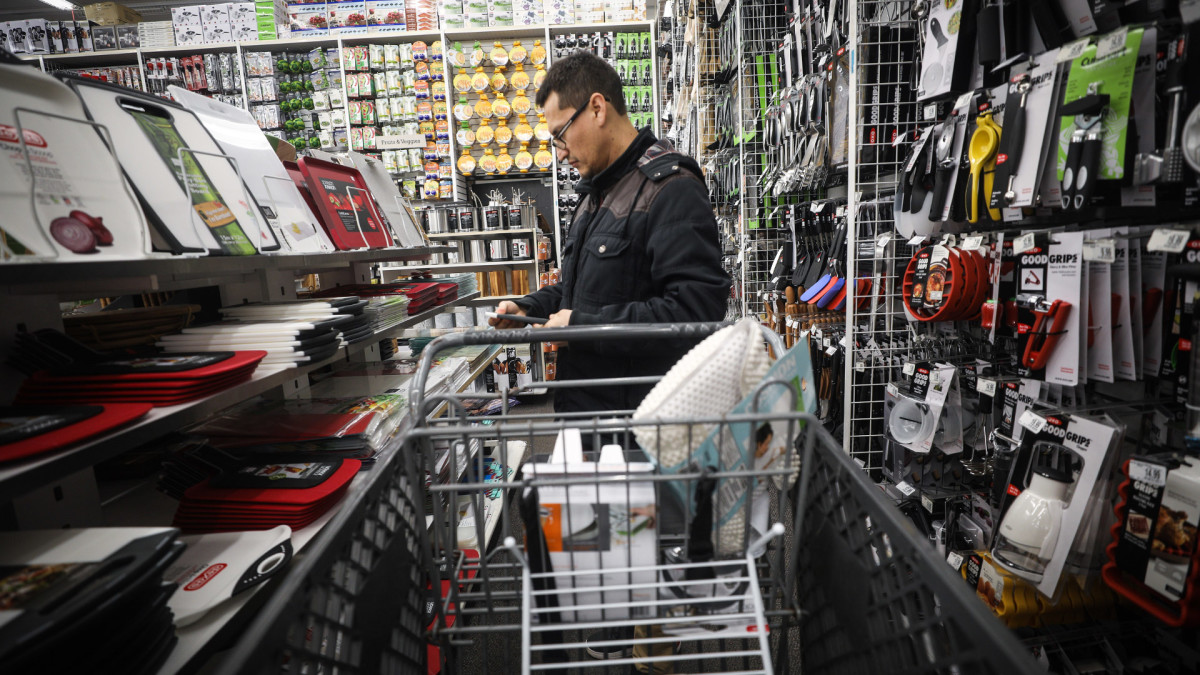 Brand House Collective to convert all Kirkland’s Home locations into Bed Bath & Beyond stores.
Image source: Shutterstock
Bed Bath & Beyond store expansion and brand transformation
Building on this momentum, Brand House Collective now plans to open five Bed Bath & Beyond Home stores in Nashville this year and will convert all Kirkland’s Home locations into Bed Bath & Beyond stores over the next 24 months.
Additionally, store openings are in the works for Bed Bath & Beyond (BBBY) sister brands buybuy Baby and Overstock, with the first buybuy Baby location expected to open in fiscal 2026.
This move aims to expand Kirkland’s Home into the wholesale market, creating a new distribution channel to improve supply chain efficiency and strengthen its unit economics.
“The debut of our first Bed Bath & Beyond Home store was met with overwhelming demand, exceeding our expectations, and generating nationwide excitement that affirms the strength of this iconic brand,” said Brand House Collective CEO Amy Sullivan in a press release.
“That early success gives us confidence to accelerate the conversion of Kirkland’s Home stores. We are also unlocking new opportunities by monetizing the Kirkland’s Home name, both inside Bed Bath & Beyond stores and through wholesale partnerships with independent retailers, creating an exciting new chapter for a brand with a 60-year legacy.”
Bed Bath & Beyond parent to close locations with California stores in limbo
In August, Bed Bath & Beyond Executive Chairman Marcus Lemonis announced on Instagram that the brand would not be opening retail stores in California, which caused backlash and confusion among Bed Bath & Beyond fans.
Lemonis later addressed his post, stating that the state’s high taxes, strict regulations, and rising labor costs were unsustainable for many retailers.
“California has created one of the most overregulated, expensive, and risky environments for businesses in America. It’s a system that makes it harder to employ people, harder to keep doors open, and harder to deliver value to customers,” said Lemonis in a statement.
Despite this decision, Bed Bath & Beyond will continue serving California customers online through its e-commerce platform.
Related: After bankruptcy shutdown, iconic home brand opens new stores
Brand House Collective had previously announced plans to initially close around 6% underperforming stores to improve profitability. While the exact locations weren’t disclosed, the company shut down five stores in the second quarter of 2025, leaving it with 309 stores.
Brand House Collective currently has 14 Kirkland’s stores in California, and with no plans for Bed Bath & Beyond Home openings in the state, these could be among the next wave of closures.
Bed Bath & Beyond faces ongoing struggles
According to a regulatory filing made the same day the IP deal closed, the price was doubled to expand an existing $5.2 million credit agreement. This now allows for a delayed-draw term loan from Bed Bath & Beyond Inc. of $20 million.
Bed Bath & Beyond Inc.’s ownership percentage in Brand House Collective was also increased from 65% to 75%.
However, the company is still facing headwinds. In the second quarter of fiscal 2025, net sales fell 12% year-over-year, driven by a 9.7% decline in comparable store sales and a 5% drop in store count. The quarter ended with a net loss of $20.2 million.
“Our Q2 results reflect two major events that weighed heavily on the quarter: the tornado damage at our distribution center and our deliberate decision to liquidate select inventory ahead of expanding Bed Bath & Beyond assortments,” said Sullivan.
Related: Popular formerly bankrupt retail chain makes brick-and-mortar comeback