
Walmart (WMT) , the largest retail chain in the U.S., is quietly battling a growing problem in its stores, costing it millions of dollars, despite recently benefiting from increased sales.
In Walmart’s latest earnings report, it revealed that its U.S. comparable sales increased by 4.6% year-over-year during the second quarter of this year. Also, according to recent data from Placer.ai, foot traffic in Walmart stores spiked by 1% during the quarter.
The increased consumer demand comes after Walmart quietly rolled out 7,400 price rollbacks during the quarter, 2,000 more than it introduced during the same time period last year, to attract price-conscious consumers.
“We’re keeping our prices as low as we can for as long as we can,” said Walmart CEO Doug McMillon during an earnings call on Aug. 21.
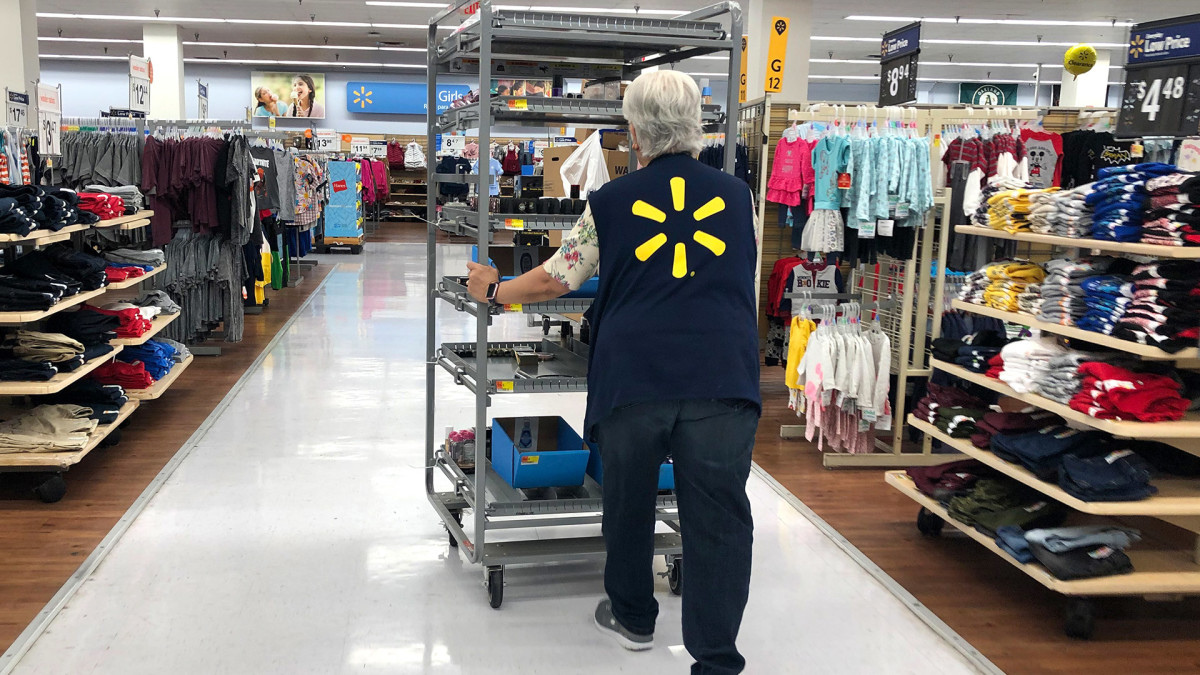 Walmart recently lost millions of dollars despite growing sales.
Image source: Getty Images
Walmart suffers major loss from a concerning problem
Amid higher sales, Walmart also revealed in its earnings report that its U.S. operating income only increased by 2% year-over-year during the quarter, flagging that its growth was offset by a roughly $400 million expense attributed to “higher-than-anticipated” liability claims.
Liability claims are formed when customers or employees injure themselves on a retailer’s property. Customers may also file a claim when they are harmed by a defective product purchased from the retailer.
During the earnings call on Aug. 21, Walmart Chief Financial Officer John Rainey emphasized that the inflated liability claim expense isn’t due to a higher number of claims.
Related: Walmart makes drastic move to keep customers from fleeing stores
“While this claim count has decreased year over year, the cost to resolve claims has risen, both for us and across the retail industry, and we’ve increased our accrual to reflect these trends,” said Rainey. “We accrued an additional $450 million over and above our planned expense in Q2, which equates to a headwind of 560 basis points to adjusted operating income growth in the quarter. We have and continue to take actions to mitigate the number and cost of these claims.”
He also said that the company expects “continued inflation in claims cost” for the rest of the year, but not at the same magnitude as it experienced during the first half of the year.
Walmart is battling a growing trend that is hurting retailers nationwide
Walmart isn’t the only company that recently sounded the alarm on higher liability expenses. Best Buy, Dollar Tree, and Dollar General have also warned analysts during recent earnings calls that liability claims are becoming a major headwind.
“This is something we’re seeing across all industry, the cost of settling claims is getting higher,” said Dollar Tree Chief Financial Officer Stewart Glendinning during an earnings call on Sept. 3. “And therefore, while we haven’t seen any increase in the rate of claims, we are seeing those claims come in more costly.
More Retail:
- Temu makes bold move to slow down fleeing customers
- Lululemon CEO raises red flag about customer behavior in stores
- Home Depot seals billion-dollar acquisition to win back shoppers
The cost of liability claims has been skyrocketing for retailers over the past few years. This is mainly the result of social inflation, which is when the cost of insurance claims outpaces economic inflation due to broader interpretations of liability, extended legal battles, larger compensatory jury awards, growing public sentiment that injured parties should receive larger compensation and other factors.
According to data from Swiss Re Institute last year, social inflation caused liability claims in the U.S. to increase by 57% in the past decade, reaching an annual peak of 7% in 2023.
“Unlike economic inflation, there is no sign of social inflation abating,” said Swiss Re Global Chief Economist Jérôme Jean Haegeli in a press release. “Litigation costs are rising and are now the key driver of liability claims. With businesses around the world facing rising legal defence costs, the cost of providing liability insurance has surged, particularly in the US, with the burden borne by consumers.”
Related: Target stores will soon undergo big changes as shoppers pull back