
Walmart, like many other retailers across the country, has recently doubled down on attracting price-conscious shoppers as tariffs threaten to raise prices in its stores.
In its second-quarter earnings report for 2025, Walmart revealed that its U.S. comparable sales increased by 4.6% year over year. Also, recent data from Placer.ai found that foot traffic in Walmart stores rose by 1% year over year during the quarter.
However, despite an increase in sales, Walmart CEO Doug McMillon said during an earnings call in August that middle- and lower-income consumers are avoiding purchasing merchandise in “discretionary categories where item prices have gone up.”
To help combat this trend, Walmart quietly introduced 7,400 price rollbacks during the quarter, 2,000 more than it did during the same time period last year.
“We’re keeping our prices as low as we can for as long as we can,” said McMillon during the earnings call.
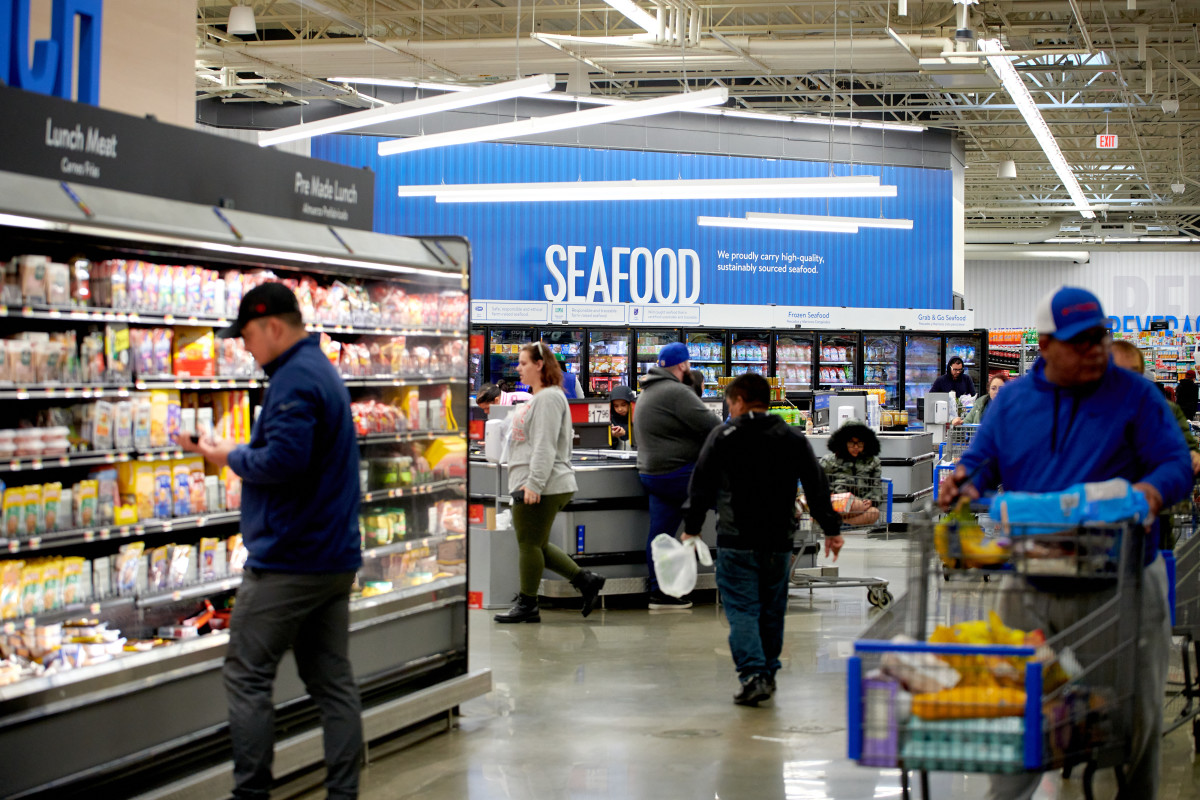 Walmart customers are becoming more careful about their spending as economic concerns grow.
Walmart faces a major threat from the government shutdown
As Walmart focuses on attracting price-conscious consumers, the potential suspension of a government program may hinder its progress.
On Oct. 1, the federal government began a shutdown due to lawmakers disagreeing on federal spending levels for government services and foreign aid. This move threatens to slow down processing speeds of student and housing loans, Medicare claims, passport/visa applications, etc.
The shutdown has also resulted in most federal employees working without pay; some have even been furloughed. Air traffic control and TSA also face staffing shortages.
Related: Walmart loses $400 million from unexpected problem in stores
Supplemental Nutrition Assistance Program (SNAP) benefits, which provide food assistance to low-income individuals and families with monthly funds via an EBT card to purchase groceries, may also be suspended due to the government shutdown.
A notice posted on the U.S. Department of Agriculture’s website states that SNAP funding will run out on Nov. 1 and that no benefits will be issued beginning on that date.
According to recent data from the USDA, 41.7 million Americans, which is 12.3% of the population, received SNAP benefits in fiscal year 2024.
Why Walmart and other retailers could lose big if SNAP is paused
A suspension of SNAP could spell trouble for retailers across the country. It threatens to further scare consumers away from retailers, as many shoppers are already concerned about tariffs making goods more expensive.
“Retailers are already contending with lower-income consumers trading down and being more selective in their spending,” said Tematica Chief Investment Officer Chris Versace in a statement to TheStreet. “A potential pause in SNAP benefits next month will increase the pinch those consumers are feeling, likely leading to another leg down in their spending. Should that pause come to pass, odds are it will be a reason to question some of the more aggressive holiday shopping forecasts.”
More Retail:
- Temu makes bold move to slow down fleeing customers
- Lululemon CEO raises red flag about customer behavior in stores
- Home Depot seals billion-dollar acquisition to win back shoppers
The SNAP pause could have an especially negative impact on Walmart, since it captured roughly 26% of annual SNAP grocery spending over the past year, according to recent data from market research company Numerator. SNAP shoppers spend an average of $2,653 at the retail giant annually, as it attracted 94.4% of these customers.
If SNAP benefits are halted in November, Walmart could lose out on about $2 billion, since the government spends an estimated $100 billion annually, or about $8.3 billion per month, on the program, according to Newsweek.
Other retailers may also lose a significant amount of money if SNAP is suspended next month.
Below are the top retailers that attracted SNAP shoppers in the 12-month period ending Sept. 30, based on Numerator data.
- Walmart (94.4%)
- Target (58.2%)
- Amazon (52.4%)
- Dollar General (51.7%)
- Kroger (48.8%)
In a statement to TheStreet, RTMNexus Chief Operating Officer Vanessa Louis said that a potential pause on SNAP would most harm smaller retailers.
“I think you could have a greater impact on smaller retailers, like Dollar General and other dollar stores in rural areas, which often rely on customers who use SNAP benefits,” said Louis. “These stores also tend to hire employees who rely on those benefits. Over the long term, changes here could really affect those communities.”
Related: Target announces big change to self-checkout ahead of holidays