
Paramount Skydance’s vision for the future is slowly coming into focus, after the closing of the $8 billion merger between the two media companies in August.
Paramount, which owns media channels such as CBS, Comedy Central, Nickelodeon, and Paramount Studios, said it expects full-year revenue of $30 billion for fiscal 2026.
Recent streaming price increases
- Disney: Ad-supported tier prices raised to $11.99 from $9.99 per month; ad-free tier increased to $18.99 from $15.99 per month.
- Disney+ & Hulu bundle: Ad tier prices raised to $12.99 from $10.99 per month; ad tier for bundle with ESPN Select increased to $19.99 from $16.99 per month; ad-free tier raised to $29.99 from $26.99 per month.
- HBO Max: The ad-free plan increased to $16.99 from $15.99 per month; the 4k ad-free plan rose from $19.99 to $20.99 per month; and the ad-supported tier is $9.99 per month.
- Apple TV+: Raised monthly price to $12.99 from $9.99 in August; annual subscription price remained $99.
- Paramount+: Raised Paramount+ with Showtime sub price to $12.99 from $11.99 per month. Plans another price increase next year.
It expects profitability to grow next year, thanks in part to a planned U.S. price hike in the first quarter. While its streaming service, Paramount+, saw revenue increase 17% year over year, TV media revenue fell 12% year over year due to lower advertising and affiliate revenue.
The company has gone on a spending spree since the merger closed, including a seven-year $7.7 billion deal with TKO Group for the exclusive U.S. broadcast rights to Ultimate Fighting Championship.
But the company has also signaled that it is willing to tighten its belt.
New CEO David Ellison revealed in August that he’d be cutting $2 billion in costs, and that included job cuts.
During a press conference in August, Paramount President Jeff Shell said the layoffs will be swift and “painful.”
“We do not want to be a company that has layoffs every quarter,” said Shell. “So, it’s going to be painful. It’s always hard, but we don’t want to be a company that every quarter is laying people off. It is important for us to get done what we’re doing in one big thing and then be done with it.”
However, the cuts are now expected to be even more painful than previously expected.
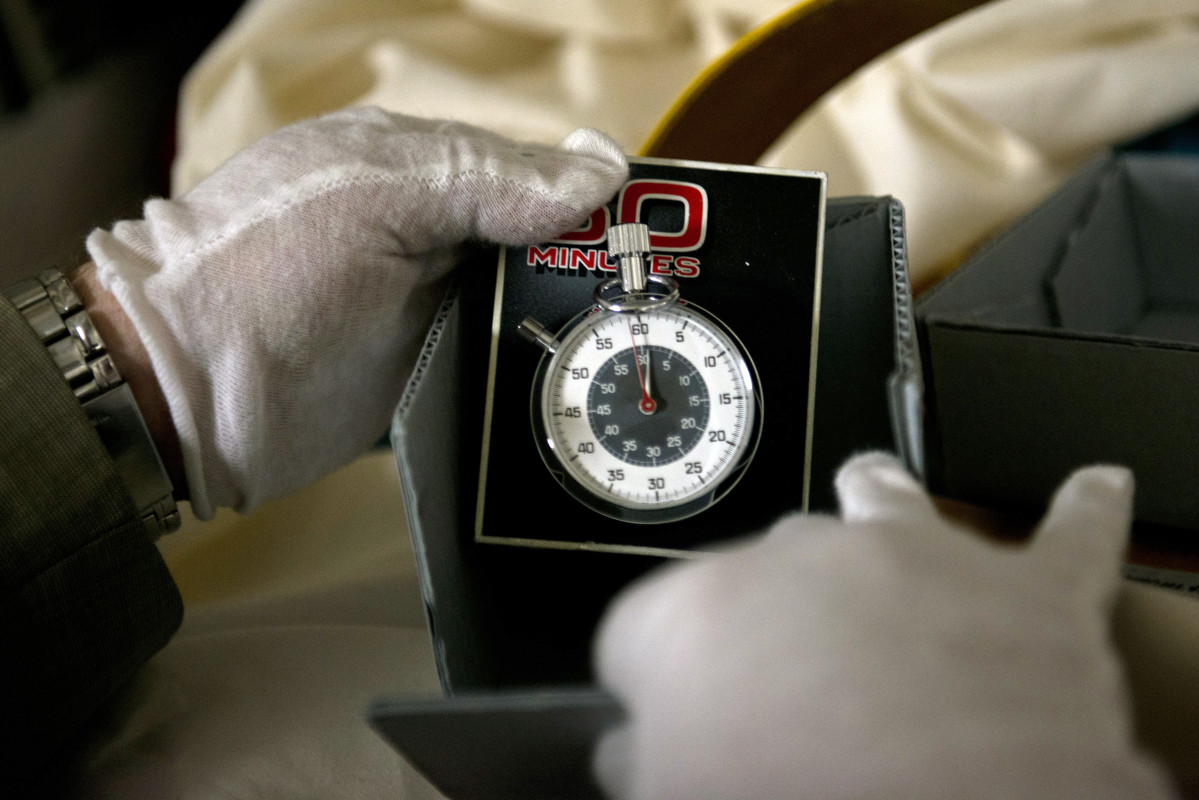 CBS News, home of programs like “60 Minutes,” laid off employees last month as part of a more than 1,000-person headcount reduction.
Photo by BRENDAN SMIALOWSKI on Getty Images
Paramount ups spending cuts by 50% post-merger, more jobs will be affected
Soon after the merger closed, new Paramount CEO David Ellison said that the company would cut $2 billion in costs, and reports followed that the company planned to lay off 3.5% of its U.S. employees as part of the reductions.
During those reductions, about a fourth of Paramount’s senior vice presidents were fired. Company employees at the VP level and below in New York and Los Angeles were offered a voluntary severance package if they didn’t want to return to the office five days a week, according to Bloomberg.
Related: David Ellison may still raise Paramount bid for Warner Bros. Discovery
However, Paramount is now raising its cost and job-cutting goals.
Paramount now plans to cut $3 billion from the liabilities side of its balance sheet as part of a plan to lay off an additional 1,600 people.
Paramount Skydance shares were up 10.6% at last check on Nov. 11.
Of the $3 billion it aims to save, more than $1.4 billion will have been executed between the close of the merger and the end of the year. Through 2026, it expects to save another $1 billion, and the savings are expected to reach $3 billion by the end of 2027.
Paramount cost cuts and price increases come at a dangerous time for streaming
Paramount is banking on a “healthy acceleration” in streaming revenue after it raises prices next year. The company reports that it has approximately 1.2 million free trial subscribers; however, starting next year, it will only count paid Paramount+ subscribers in its reported figures.
But Paramount may be playing with fire, as the pendulum swing during the cord-cutting spree over the past decade seems to be reversing course.
Cord-cutters have been put through the wringer in the past few years.
Related: Shocking jobs data resets recession bets
The promise of finally freeing ourselves from the shackles of cable television has been replaced by the cold reality that major corporations always prevail.
When cord-cutting began, paying $4.99 monthly for two or three subscription services that offered nearly the same value as a cable subscription seemed like a steal, especially when cable bills can run hundreds of dollars per month.
But since then, prices have increased dramatically.
With all these changes and price increases, consumers may realize that it might be cheaper just to go back to cable.
Cord-cutting trend expected to continue
Americans have been canceling their cable subscriptions steadily for the last 15 years.
One-time cable titans like CNN and ESPN have seen their viewership drop dramatically as their respective parent companies try to determine the best way to integrate those products onto their streaming platforms.
Nearly 4 million Americans dropped their cable plans last year, and since 2012, the cable industry has lost approximately 25 million subscribers, according to Broadband Search. By 2030, the firm expects fewer than six in 10 U.S. households to have cable.
Approximately 35 million Americans have never had cable, and many of them are young adults, college students, or recent graduates.
Netflix alone has more viewers than cable and satellite combined.