
Jim Cramer seems to have officially called time on what he dubbed the “Year of Magical Investing.”
In a tweet on Nov. 12, Cramer wrote:
It was classic Cramer, blunt and aimed at today’s stock market, which continues chasing big dreams over solid earnings.
For nearly a couple of years, investors piled into AI moonshots and “future maybe” stories, ignoring bottom-line numbers in favor of long-term potential.
However, with rates high and valuations stretched, Cramer’s warning serves as a reality check for Wall Street, which seems to have lost its bearings in a fantasy phase.
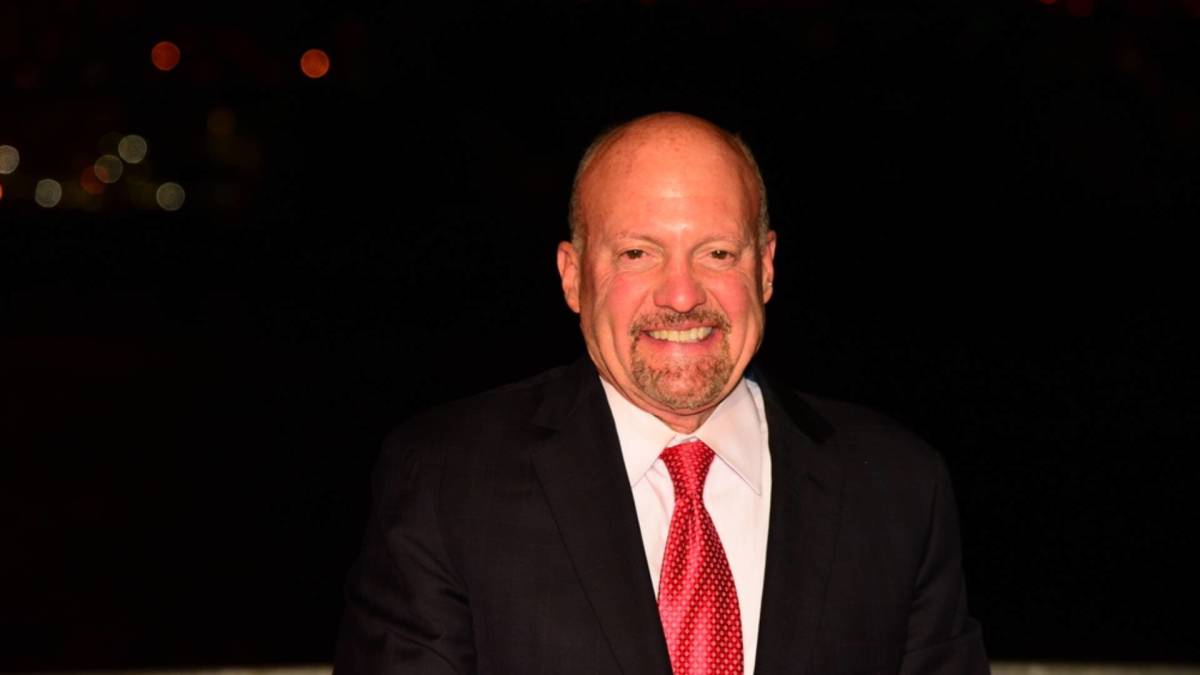 Jim Cramer warns the AI boom may be losing steam.
From AI mania to market reality
Jim Cramer loves innovation, but he’s quicker than most in spotting exactly when excitement turns into excess. At this point, though, he feels that the line’s been crossed.
Wall Street agrees.
Goldman Sachs recently compared the AI boom to the late-1990s dot-com bubble, highlighting Big Tech’s eye-popping $349 billion in planned 2025 capital expenditures, despite its lagging profits.
Moreover, Morgan Stanley’s take lands just as sharply where analysts say that the AI boom isn’t just starting; it’s already in the “seventh inning.”
Why OpenAI and the AI hype are in Cramer’s crosshairs
Cramer’s jab at “OpenAI IOUs” lands as more of a pointed warning.
To him, OpenAI effectively captures what has essentially been the era of magical thinking that has fueled the AI boom.
It includes things like massive valuations, thin profits, and investors treating equity like promises. However, in his opinion, it’s an ideal time to separate the vision from current viability.
Related: AMD flips the script on Nvidia with bold new vision
Cramer’s frustration with the current amped-up AI trade boils down to one thing: Investors have essentially stopped checking the math.
- Valuation Gone Vertical: OpenAI’s valuation has effectively skyrocketed from $29 billion in early 2023 to $300 billion by late 2025, with a relatively low $13 billion in annualized sales. That’s a ton of “future promise” baked in, and Cramer isn’t buying it.
- Spending Like There’s No Tomorrow: The company continues to pledge billions toward supercomputing buildouts, inking contracts across the sphere that are reportedly worth “hundreds of billions.” Microsoft alone offered $10 billion in cloud credits to keep the lights on.
- When Growth Needs a Bailout: OpenAI’s CFO even talked about the idea of government support. Cramer calls it a “bubble déjà vu,” comparing the current AI rush to the massive debt-fueled railroad boom.
Related: Jim Cramer’s net worth: How much does ‘Mad Money’s’ stock-picking superhost make?
Wall Street’s still partying while Cramer turns down the music
Jim Cramer might be preaching caution at this point, but Wall Street remains in full party mode.
Following every dip, market traders are rushing back to AI and chip stocks like it’s 2023 again.
Related: Top analyst revamps S&P 500 target for the rest of the year
For a little color, AMD just popped close to 9% intraday after CEO Lisa Su promised 35% annualized growth along with “tens of billions” in data-center sales by 2027.
Also, Nvidia’s still the market’s golden child, as investors load up on virtually every pullback, even though the gravity doesn’t apply. It’s clear the FOMO trade remains alive and kicking for now.
But beneath the buzz, the tide seems to be quietly turning.
More Tech Stocks:
- As Palantir rolls on, rivals are worth a second look
- Nvidia’s next big thing could be flying cars
- Cathie Wood sells $21.4 million of surging AI stocks
In a recent “Mad Money” episode, Cramer pointed out, “It’s starting to dawn on people — a market that only goes higher because of data center spending is a powerless market.”
The Dow, which is heavily weighted with industrials and banks, is notching new highs, while the Nasdaq lags behind. “There are better places to hunt for winners than the AI space,” he added, calling the shift “the revenge of the nerds.”
That’s essentially a rotation into old-school, justly valued names that have sidestepped the need for trillion-dollar server farms in justifying their lofty price tags.
Related: Veteran strategist drops curt 3-word take on stock market