
With inflation continuing to raise the cost of everyday essentials and federal policy changes tightening eligibility for the Supplemental Nutrition Assistance Program (SNAP), millions of families are finding it increasingly difficult to meet their basic needs.
At the same time, a growing number of grocery stores are closing nationwide, particularly in economically vulnerable communities, making it even harder for people to access affordable food and household goods. Yet amid this uncertainty, some regional grocery chains are pushing against the trend, offering a glimmer of hope through investments and expansion.
Founded in 1960 as a single store in Houma, Louisiana, one business has grown into one of the nation’s largest independent and fastest-growing family-owned grocery companies in the U.S. Now operating 66 stores across Louisiana, Mississippi, and Alabama, it marks 65 years of serving communities in the Gulf Coast.
According to a public statement from the company’s third-generation owner, Rouses Market has acquired 10 Winn-Dixie locations from Southeastern Grocers. The acquisition includes nine stores in Louisiana and one in Mississippi, with all transitions expected to be completed by early 2026.
With these additions, Rouses Market will expand its footprint by 15%, bringing its total number of locations to 76 across the region.
Rouses Market’s newly acquired locations
- 9701 Chef Menteur Hwy., New Orleans
- 4627 Westbank Expressway, Marrero
- 12519 Airline Highway, Destrehan
- 2104 Williams Blvd., Kenner
- 70431 Highway 21, Covington
- 4100 Highway 59, Mandeville
- 731 Washington St., Franklinton
- 1803 LA Highway 3125, Gramercy
- 10974 Joor Rd., Baton Rouge
- 4400 Hardy St., Hattiesburg
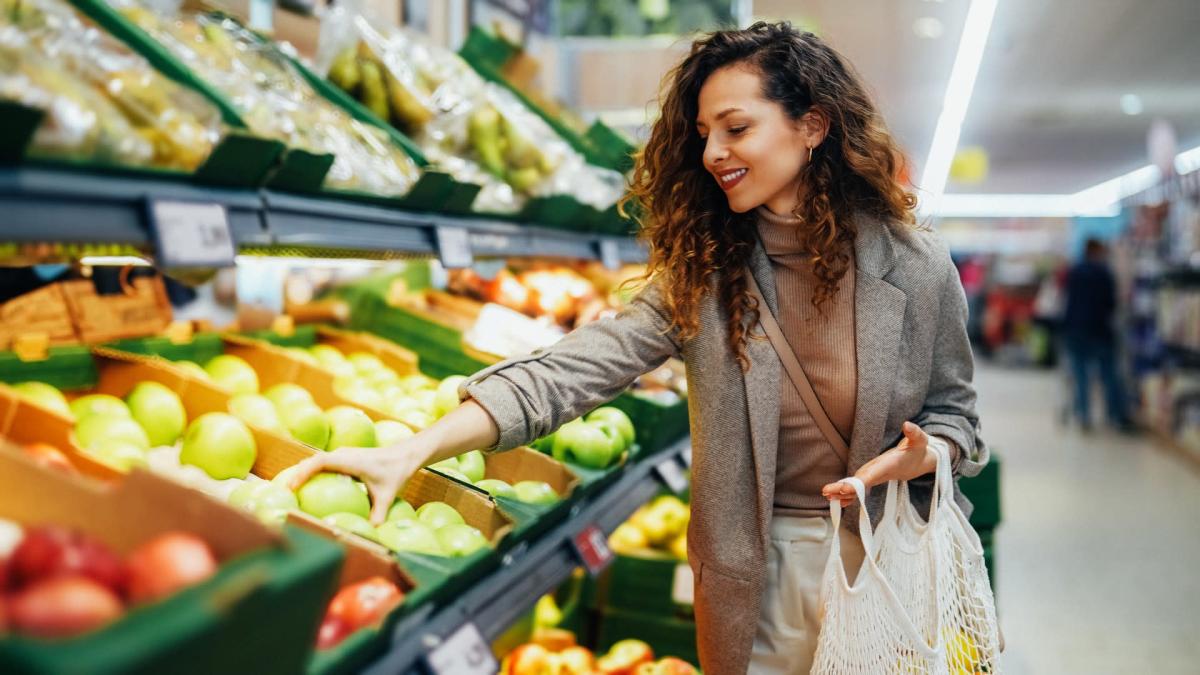 Rouses Market acquires 10 Winn-Dixie locations amid store closures.
Southeastern Grocers to rebrand as The Winn-Dixie Company
Rouses Market’s acquisition follows a major restructuring within Southeastern Grocers.
In 2025, CEO Anthony Hucker and a group of investors repurchased the company from Aldi. Shortly after, Southeastern Grocers announced it would rebrand as The Winn-Dixie Company, beginning in early 2026, shifting its operations to focus on Florida and select markets in Georgia, where it plans to invest heavily in modernization and long-term growth.
As part of this strategy, the company will sell 32 Winn-Dixie stores and eight Harveys Supermarket locations across Alabama, Georgia, Louisiana, and Mississippi. These closures and ownership transitions are expected to wrap up by early 2026.
Related: Costco sees troubling trend with its members
Despite several shutdowns, new openings are also in progress. Southeastern Grocers recently acquired Hitchcock’s Markets in Alachua, Keystone Heights, and Williston, all of which will be converted to Winn-Dixie locations in phases starting in late 2025.
Once the transition is finalized, The Winn-Dixie Company will operate around 130 grocery stores and 140 liquor stores across Florida and Georgia.
A century of Southeastern grocery history
Winn-Dixie’s history dates back to 1925, when it opened its first store in Miami under the name Winn & Lovett Grocery Co. Nearly a century later, the brand remains a familiar name for many Southeastern families.
More Grocery Store Closures:
- 98-year-old beer store chain has closed nearly 100 locations so far
- 93-year-old grocery, supermarket chain keeps closing stores
- 43-year-old grocery chain to close stores less than a year after opening
While the recent closures will mark the end of Southeastern Grocer’s physical presence in several states, many of the affected locations will not remain vacant for long. Numerous Winn-Dixie and Harveys Supermarket sites have already been sold to grocery chains, including Food City, Piggly Wiggly, and now Rouses Market.
This ensures that local communities will continue to have access to nearby grocery options.
Rouses Market defies a national retail trend
With economic uncertainty, shifting consumer habits, and trade pressures, many U.S. retailers are downsizing or consolidating their operations. Simultaneously, recent changes to SNAP eligibility have further affected millions of households, intensifying the risk of food insecurity nationwide.
Coresight Research projects that U.S. store closures will reach 15,000 in 2025, more than double the 7,325 closures recorded in 2024.
As of January 17, 2025, over 2,000 planned closures had already been tracked, with major U.S. retailers announcing 29.6% fewer openings and 334.3% more closures year-over-year.
“The widespread closures of physical retail stores in the digital age significantly impact business outcomes, urban communities, and regional economies,” said industry experts at ScienceDirect. “Understanding this phenomenon is crucial for retailers, policymakers, and society at large.”
Despite these concerning trends, grocery chains like Rouses Market continue to invest in expansion, providing communities with vital access to groceries at a time when such access is increasingly under threat.
“It is important to recognise that despite the many store closures in recent times, retail is not dying, but evolving. Therefore, it is essential that businesses constantly adapt and react to the market,” said industry experts at Amazon Accountants Archimedia Accounts. “Store closures themselves don’t always need to signal a ‘downfall’ or an ‘end’, sometimes they can signify a key step toward financial recovery and a shift in focus on areas such as e-commerce.”
Related: 100-year-old grocery chain closes all stores in several states