
The U.S. market has proven invaluable for Japanese automakers like Toyota.
According to World’s Top Exports count, nearly 20% of the money U.S. consumers spent on auto imports went to Japanese car companies. The only country with a higher percentage was Mexico.
Top auto importers to U.S. in 2024
- Mexico: 22.8%
- Japan: 18.6%
- South Korea: 17.3%
- Canada: 12.9%
- Germany: 11.7%
Toyota sold 185,748 Toyota and Lexus vehicles in the U.S. in September, a 14.2% year-over-year increase in volume. For the third quarter, Toyota North America reported sales of 629,137 vehicles, a 16% increase.
Even more promising, the company’s electric vehicle division reported a 10.5% increase in volume. Electrified vehicles represented 45% of Toyota’s sales volume in the third quarter.
However, auto tariffs have eaten into its profitability in the West.
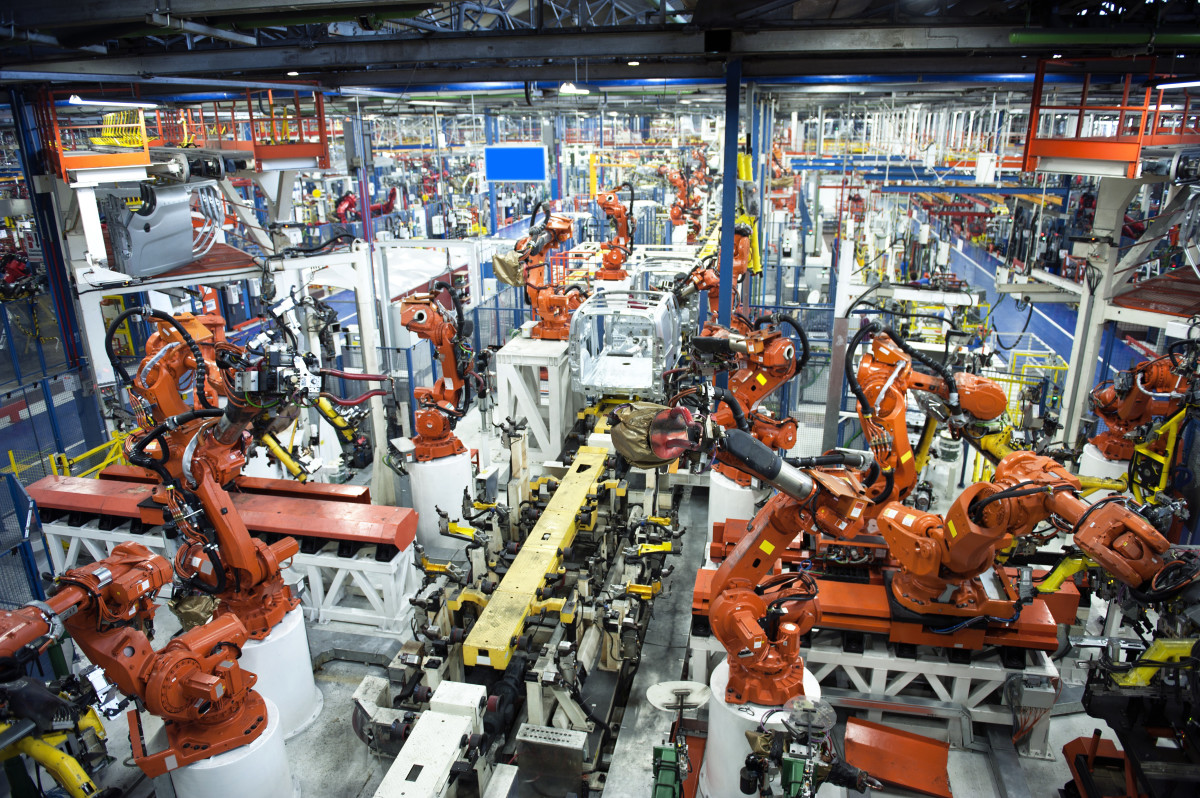 Toyota plans to spend $10 billion on U.S. manufacturing over the next five years.
Photo by baranozdemir on Getty Images
Toyota to invest another $1 billion in U.S. manufacturing
Toyota was able to renegotiate its tariff burden in July, but the 15% rate didn’t take effect until later in the year.
The lower rate is retroactive only until September 16, so the billions the company lost to the $27.5% rate in the previous quarter aren’t being refunded.
Related: Tariffs bring Japanese automakers to their breaking point
Of the 2.4 million vehicles Toyota sold worldwide in the first quarter of FY 2026, nearly 800,000 of those sales came from North America, making it Toyota’s most important region by far.
North American new vehicle sales rose by 89,000 units to 794,000.
However, Toyota’s operating income in North America fell by $1.1 billion from a profit a year ago to a net loss of $438 million.
North America was the only one of Toyota’s six operating regions to incur a loss. However, due to a $4.4 billion profit in Japan and a $1.1 billion operating profit across Asia, Toyota was able to report an overall quarterly profit of $5.8 billion, down from the $8.5 billion it reported in the same quarter a year ago.
So Toyota has a plan that will allow it to keep more of the money it makes from U.S. sales.
As part of the company’s $10 billion U.S. manufacturing commitment over the next five years, Toyota has announced a plan to invest $912 million in building hybrid capacity across five manufacturing plants.
The move is part of Toyota’s plan to increase production of the hybrid-electric Corolla.
“Customers are embracing Toyota’s hybrid vehicles, and our U.S. manufacturing teams are gearing up to meet that growing demand,” said Kevin Voelkel, senior vice president, manufacturing operations.
“Toyota’s philosophy is to build where we sell, and by adding more American jobs and investing across our U.S. footprint, we continue to stay true to that philosophy.”
The investment will create 252 new jobs across the company’s plants in West Virginia, Kentucky, Mississippi, Tennessee, and Missouri.
Shipping costs are rising along with tariffs
Foreign automakers have an added incentive to build in the U.S., as shipping costs are expected to rise due to tariffs.
Many foreign brands have decided to ship fewer cars to the States due to the added costs. However, thanks to threats from the White House, most have not raised prices in response to the added costs.
Related: Japan’s automakers land in tough spot after latest US debacle
Wallenius Wilhelmsen told Reuters on Nov. 5 that the higher-than-expected U.S. port fees on foreign-built ships that took effect in mid-October as part of a trade dispute between China and the U.S. forced the company to withdraw its financial outlook.
“We’re clear that this bill is an additional cost we’ve been given and that we need to pass on to our customers,” Chief Executive Lasse Kristoffersen said.
It means automakers using the service could face up to $300 in additional costs per vehicle.
Toyota is one of the many car companies that use Wallenius Wilhelmsen shipping services.
Japanese automakers have a large manufacturing footprint in the U.S.
The Japan Automobile Manufacturers Association (JAMA) says its members have invested $4.6 billion on research and development in the U.S.
Last year, Japanese auto manufacturers produced 3.28 million vehicles in the U.S.
Honda, Subaru, Nissan, Mazda, and Toyota combined employed nearly 75,000 manufacturing employees in the U.S. last year.
The investment has paid off.
Toyota is second in annual sales in the U.S., only behind General Motors. It is well ahead of hometown favorites Ford and Stellantis.
Top-selling car brands in the U.S. in 2024
- GM: 2.68 million vehicles, +4.2% YoY, market share 16.5%
- Toyota: 2.33 million vehicles, +3.9% YoY, market share 14.4%
- Ford: 2.05 million vehicles, +3.8%, market share 12.7%
- Hyundai: 1.68 million vehicles, +1.8% YoY, market share 10.6%
- Honda: 1.4 million vehicles, +8.1% YoY, market share 8.4%
According to USImportData.com, Japan exported $40.76 billion worth of cars to the U.S. in 2024, representing nearly 19% of all auto imports.
Toyota sold over 2.3 million vehicles in the U.S. in 2024, a 3.7% year-over-year increase. According to Cox Automotive data, Japanese brands were two of the top five-selling cars in the U.S. last year.
Related: Toyota and Honda play a giant role in US-Japan trade negotiations