
Recalls have been a bugaboo for Ford all year.
Between January 2024 and mid-2025, Ford initiated 94 recalls affecting nearly 6 million vehicles. By July, Ford had issued its 89th recall of 2025, easily surpassing GM’s 2014 record of 78 recalls for the entire year.
Ford has now issued over 100 recalls in 2025, with four weeks remaining in the year.
The issue has been so bad that the company addressed its quality control issues during its third-quarter earnings call.
COO Kumar Galhotra opened his comments on the company’s third-quarter earnings call, addressing the issue.
“Improving quality is the single biggest driver to close our cost gap. Better qualitylowers warranty expense and reduces recalls,” Galhotra said.
However, he also admitted that Ford had a build problem during the Covid pandemic, and many of the vehicles from that area are being recalled.
“You need time to clear the car park of old issues. It all starts with a clean launch. A bad launch creates years of warranty and recall problems. Over the past two years, we have radically improved our launch quality,” Galhotra said.
This week, Ford is recalling a number of vehicles from that era for the second time due to an issue that could not be resolved with a software update.
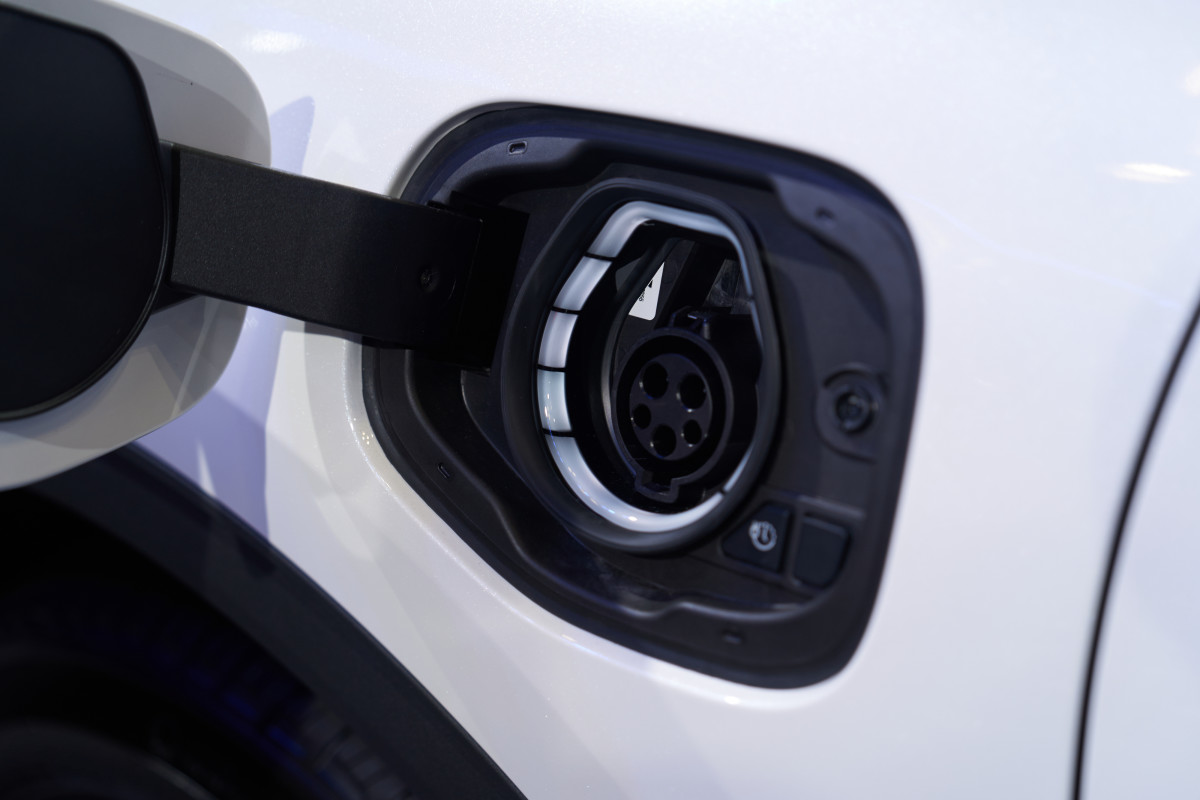 Ford is asking Ford Escape PHEV owners not to charge their vehicles fully.
Photo by Bloomberg on Getty Images
Ford recalls Ford Escape, Lincoln Corsair PHEVs for a second time
Ford and its Lincoln luxury division are recalling 20,558 Ford Escape Plug-In Hybrid SUVs, model years 2020-2024, and Lincoln Corsair PHEV SUVs, model years 2021-2024, due to a battery issue that could cause a fire.
Ford’s total U.S. sales by year:
- 2024: 2.08 million vehicles sold, +4.2%
- 2023: 1.99 million vehicles sold, +7.1%
- 2022: 1.77 million vehicles sold, -2.2%
- 2021: 1.9 million vehicles sold, -6.8%
This is the second time Ford is issuing this recall, as the cells within the batteries of these vehicles can short-circuit, leading to a loss of propulsion and possibly a fire.
Ford initially provided a protective software update intended to detect short circuits; however, it has since been determined that the software may not be able to detect every short circuit.
The company is developing a new solution, but in the meantime, it is asking owners to keep their vehicles in Auto EV mode and limit their state of charge.
Ford says it has a plan to fix quality issues
This week, Ford issued a recall for more than 200,000 2025-2026 Broncos and Bronco Sport models, which are being recalled because their instrument panel displays do not show critical information, such as warning lights or vehicle speed.
The failures increase the risk of a crash, so some models are being recalled for “instrument panel display failure.”
Related: Ford suffers another major F-150 setback
That recall suggests that Ford’s quality control issue isn’t just a thing of the past, as the company claims.
However, some of the numbers suggest that Ford is improving.
In 2023, Ford spent $4.8 billion fixing customer vehicles, a 15% increase from the previous year. It set aside $1,203 for warranty repairs on each car it sold that year, according to Warranty Week.
A recent study by iSeeCars.com, analyzing 31 years of recall history, found that Ford is the least proactive car brand when it comes to issuing recalls. Fewer than 30% of the cars recalled over the last three decades resulted from a problem Ford found on its own.
Related: Ford recalls one of its best-selling vehicles
To remedy this problem, in 2024, Ford initiated a new quality assurance program that incorporates “testing vehicles to failure,” running them “at extremely high mileage” to find potential problems before customers do.
At the time, CEO Jim Farley said the new approach would “reduce warranty (costs) over time.”
Ford says it is already making progress and is “on track” for best-in-class performance across six of its nameplates, with three other nameplates in the top quartile, according to J.D. Power warranty analytics data.
The company also reported lower year-over-year third-quarter warranty costs, down $450 million.
