
When Tesla’s India rollout began this past July, it was a historic moment: The world’s most valued EV company had set up shop in the world’s most populated nation.
But symbols don’t necessarily lead to sales.
Tesla has only delivered a little over 100 Model Y SUVs in the last five months, including just 60 in September. This is despite InsideEVs reporting a backlog of more than 600 registrations at the start.
At the same time, competitors such as BMW and Mercedes-Benz easily beat Tesla’s premium EV deliveries over the same time period.
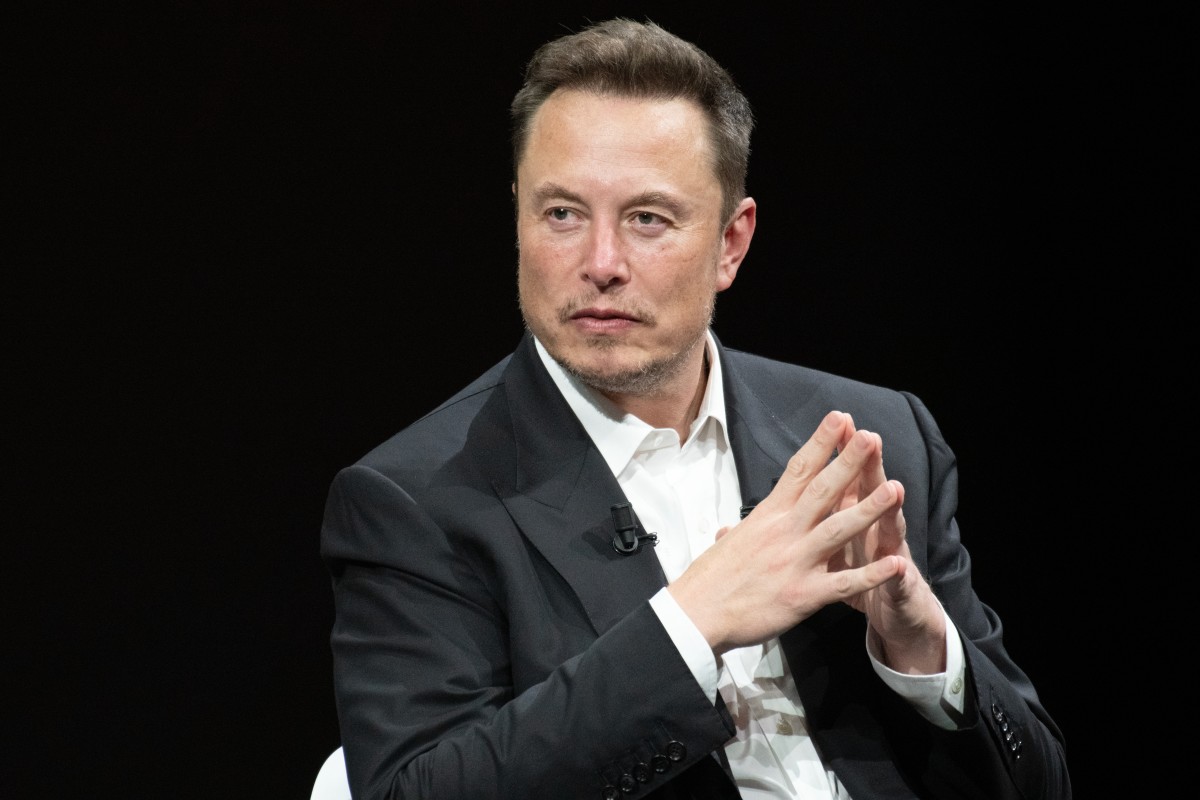 Tesla’s latest moves reflect a shifting approach in one of its most closely watched markets.
Shutterstock
Why Tesla’s India EV rollout is falling short
The issue with Tesla’s India rollout isn’t that people don’t care. It’s the pricing, the policy, and the posture.
The Model Y from Tesla costs $67,000 and comes completely constructed, Reuters reported. However, due to India’s 100% import levy on foreign-made cars, it also comes fully taxed.
That almost doubles the price of entrance into a market where most new automobiles cost less than $22,000.
Related: AMD plans frustrating GPU chip change
Tesla is now lowering its expectations and changing its emphasis. It wants to import fewer cars, build more schools, and improve some local infrastructure. It also believes that future models will cost less.
This isn’t simply a little problem for U.S. investors. It’s a look at what happens when Tesla’s expensive, well-known model hits a wall of affordability, and how expanding into other countries might be the company’s greatest or worst way to protect itself from a weak home market.
More Tesla:
- Tesla fatal crash lawsuit takes a wild turn
- Tesla: what must happen for the $1 trillion payout
- Tesla accused of not following key law
- Tesla has more bad news for Cybertruck lovers
Although there was a lot of excitement at first with 600 early reservations, Model Y deliveries are still low, and competitors are getting ahead.
The Model Y was the only car Tesla sold at first. It has supplied a little more than 100 cars since July, with 60 of those going out in September. During that time, BMW and Mercedes-Benz delivered 307 and 95 electric vehicles, respectively, according to Electrive.
Related: History of Tesla & its stock: Timeline, facts & milestones
The business originally wanted to bring in up to 2,500 cars in its first year, but it has subsequently changed its goal to between 350 and 500 units for 2025.
Key figures:
- Tesla Model Y:60 deliveries in September Source: Carwale
- BMW: 307 premium EVs delivered
- Mercedes-Benz: 95 premium EVs delivered
- Tesla 2025 import goal: Trimmed from 2,500 to about 500
Tesla EV pricing hits affordability wall in India
The Model Y costs $67,000 and according to Reuters, has a 100% import charge, which makes it too expensive for most Indian purchasers.
India’s electric vehicle policy lowers the import fee to 15% for companies that spend more than $500 million and get 50% of their parts from India.
Related: Meta Platforms may signal major AI market shift in 2026
Tesla hasn’t chosen that option; instead, it has decided to import completely produced cars, which makes them too expensive for most people.
Most new cars in India cost less than $22,000. Tesla’s high prices and lack of incentives are keeping the company in a premium niche.
What’s working against Tesla’s India rollout:
- The Model Y costs 2.5–3x more than typical new cars in India.
- An import duty of 100% makes pricing uncompetitive.
- Tesla isn’t eligible for India’s 15% EV duty relief.
- No current local manufacturing plans have been announced.
Tesla charging infrastructure gets a local push
A new Tesla Center in Gurugram, India, and a developing network of NCR Superchargers are meant to create a high-end EV ecosystem.
Tesla will launch its biggest factory in Gurugram, while offering a showroom, service area, and charging station.
Related: Palantir’s AI push tests bears who doubt it can keep winning
The business also will install additional Superchargers and destination chargers all around the Delhi-National Capital Region.
Sharad Agarwal, who formerly worked for Lamborghini and is now CEO of Tesla India, has come up with a three-part plan:
- Educate Indian consumers on EV cost benefits.
- Expand Supercharger and destination charging coverage.
- Enhance ownership experience through OTA software and service.
Tesla competitors accelerate in the luxury EV market
BMW and Mercedes-Benz are the top sellers of high-end electric vehicles in India, thanks to local production and brand recognition.
German car companies have an advantage. Both BMW and Mercedes-Benz build their cars in the same country, which lets them avoid the high 100% import charge. Their large dealer networks, sales around the Diwali holiday, and brand recognition are all paying well.
Related: Why Netflix’s biggest hit could hit its bottom line
Tesla is still at a disadvantage when it comes to price, since it doesn’t have any local assembly or Diwali ties.
A look at the competition:
- Local production helps BMW and Mercedes-Benz.
- Deep dealer presence and deals over the Diwali season boost sales.
- Tesla doesn’t have any local brand recognition.
Why global expansion matters for domestic investors
As Tesla’s growth slows and its profit margins shrink at home, investments on other countries, including India, become more important.
Tesla’s Q3 2025 revenue was $28.1 billion, a record, and deliveries reached almost 500,000 vehicles. But net income plunged 37% from the previous year to $1.4 billion, and gross margins on cars fell to 17-18% from around 30% two years before.
A last-minute jump in Q3 deliveries in the U.S., just before tax credits ran out, hid a bigger problem. Growth relies more than ever on developing economies, since interest rates are rising and demand for electric vehicles is slowing down in developed markets.
India is still a critical test for Tesla’s capacity to grow worldwide and validate its ecosystem model outside of the U.S. and China, even if it had some problems at first.
Investor takeaways on Tesla in India:
- International growth is critical to offset U.S. softness.
- India could showcase Tesla’s global EV ecosystem strategy.
- Missed targets abroad may weigh on Tesla’s long-term growth narrative.
- Margin compression and tariff costs remain key risks.
Related: Elon Musk’s net worth in 2025: On the path to trillionaire status?
Tesla local assembly plans and future models: what to watch
A cheaper Model Y and manufacture in the area might lead to more sales, but the timetable and commitment are still not apparent.
Tesla has hinted at a $25,000 worldwide platform and a cheaper version of the Model Y, dubbed E41, that would come out in late 2025 or 2026. But there is no set date or plans for localization in India yet.
Import restrictions will keep demand low until Tesla agrees to build cars in India. The firm is currently concentrating on infrastructure, branding, and ecosystem testing with a small number of people.
Tesla’s plans going forward:
- The Budget Model Y (E41) is pushed back to 2025/26, Reuters reports.
- Tesla is considering a bare-bones Model 3.
- For now, localization is off the agenda.
