
The first major meal of the holiday is in the rearview mirror. But now that Thanksgiving has passed, it’s time to gear up for the rest of the holiday entertaining that’s just ahead.
Shoppers are being warned to check their fridges: U.S. Food and Drug Administration (FDA) officials on Dec. 1 classified a massive recall of shredded-cheese products as “Class II” — meaning these items “may cause temporary or medically reversible adverse health consequences,” though serious harm is unlikely.
The problem is that the cheeses may contain metal fragments. While no widespread injuries have yet been reported, the FDA warns that ingesting the fragments can injure the mouth, throat, or digestive tract — causing dental damage, cuts, choking, or even intestinal perforation.
The recall includes “various cheeses such as mozzarella, Italian style, pizza style, mozzarella and provolone, and mozzarella and parmesan,” as reported by AP News.
The voluntary recall affects over one million bags of shredded cheese made by Great Lakes Cheese Co. of Hiram, Ohio, sold under dozens of private and store-brand labels at major retailers including Walmart, Target, Publix, Aldi and others.
“FDA food recalls exceeding one million units are uncommon — only 3.5% of FDA recalls in Q3 surpassed that threshold,” SVP of Client Services at Sedgwick Chris Harvey told TheStreet. Sedgwick, which provides companies with best practices for product recall and remediation solutions, recently published a comprehensive U.S. Product Safety and Recall Index.
If scalloped potatoes or any other cheesy dish is on your holiday menu, you’ll want to pay attention to this recall.
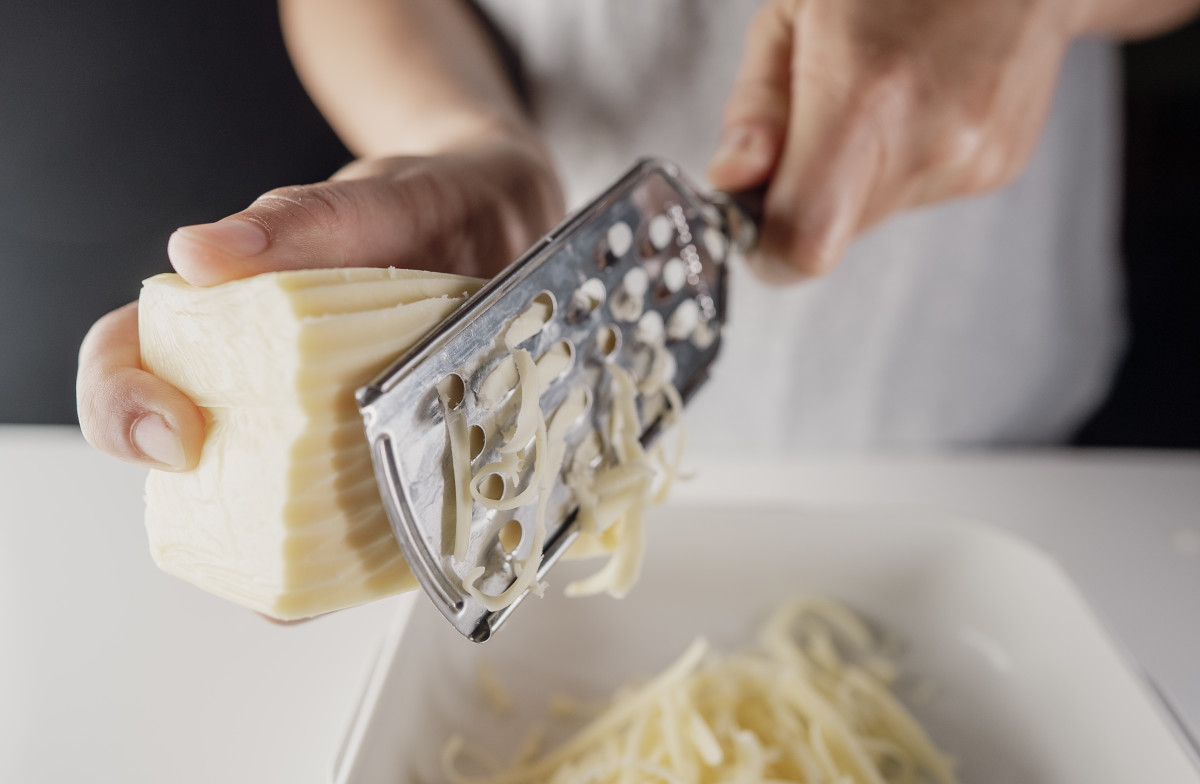 Hundreds of thousands of packages of cheese are being recalled by the FDA.
Photo by skaman306 on Getty Images
FDA issues Class II recall for popular shredded-cheese products
According to the FDA notice, the recall covers nearly 236,000 cases (more than one million bags) of low-moisture part-skim mozzarella shredded cheese, which accounts for the largest segment of the recall.
Other affected products include:
- Italian-style shredded cheese blends
- Pizza-style shredded cheese
- Mozzarella & provolone shredded-cheese blends
- Mozzarella & parmesan shredded-cheese blends sold under Target and other labels
Manufacturers initiated the recall on Oct. 3, 2025, after discovering potential metal fragments in the raw materials used in production.
The FDA did not label the recall as urgent, however, until December 1, when it classified the recall as Class II.
Related: Voluntary vs. mandatory food recalls: what you should know
The recall covers cheese sold in 31 U.S. states plus Puerto Rico — from California to Florida, and from Texas to Washington.
Given the breadth of retailers affected, the recall could hit millions of kitchens just as people are planning holiday meals and may have stocked up on supplies earlier in the fall: The cheese has expiration dates as far out as late March 2026.
Recalled cheese sold at Walmart, Target, Aldi, Publix, and others
The current Great Lakes cheese recalls involves dozens of brands, including some that are private labels. Here is a sampling of the brands affected, according to the FDA:
- Good & Gather (Target’s in-house brand)
- Great Value (Walmart’s store brand)
- Happy Farms by Aldi (Aldi’s private label)
- Food Club
- Always Save
- Borden
- Brookshire’s
- Cache Valley Creamery
- Chestnut Hill
- Coburn Farms
- Econo
- Food Lion
- Gold Rush Creamery
- H-E-B
- Hill Country Fare
- Know & Love
- Laura Lynn
- Lucerne Dairy Farms
- Nu Farm
- Publix Brand
- Schnuck’s
- Simply Go
- Sprouts Farmers Market
- Stater Bros. Markets
- Sunnyside Farms
- Freedom’s Choice (pizza blend)
- Mozzarella & Provolone/Mozzarella & Parmesan blends under Good & Gather and Great Value labels
How to check cheese for possible recall
If you bought shredded cheese anytime beginning in fall 2025, check your refrigerator now. Compare the brand name, UPC code, and sell-by date to those on the official recall list; the FDA list of codes is extensive. If your cheese is affected, toss it out or return it to the retailer — do not consume it.
If you — or someone in your household — consumed the cheese and notice mouth or throat pain, difficulty swallowing, dental damage, or digestive discomfort, consult a doctor.
Avoid giving recalled cheese to pets.