
I have been scammed. I don’t really know how it happened, but around $50 from my bank account was withdrawn for alleged service that I did not approve, or see. To make a long story short, I had to block my card, but in the end, my bank refunded the amount.
But not every scam has a happy ending. And today, more people are getting scammed than ever before.
In fact, 73% of U.S. adults confirm to have experienced at least one online scam or attack, and most get scam calls, texts, and emails at least weekly, according to a 2025 survey by Pew Research Center.
“Online scams and other internet crimes are skyrocketing, with a record $16.6 billion in losses reported to the FBI in 2024. The federal government, banks and companies are all sounding alarms,” reads the Pew report.
A number of popular brands are often used by attackers to create phishing scams, and Walmart topped the list in the first quarter of 2023.
List of brands most likely to be used for phishing scams:
- Walmart (relating to 16% of all phishing attacks globally)
- DHL (13%)
- Microsoft (12%)
- LinkedIn (6%)
- FedEx (4.9%)
- Google (4.8%)
- Netflix (4%)
- Raiffeisen (3.6%)
- PayPal (3.5%) Source: Check Point
And so it happens that Walmart was targeted in the latest large-scale scam that gained attention from Washington.
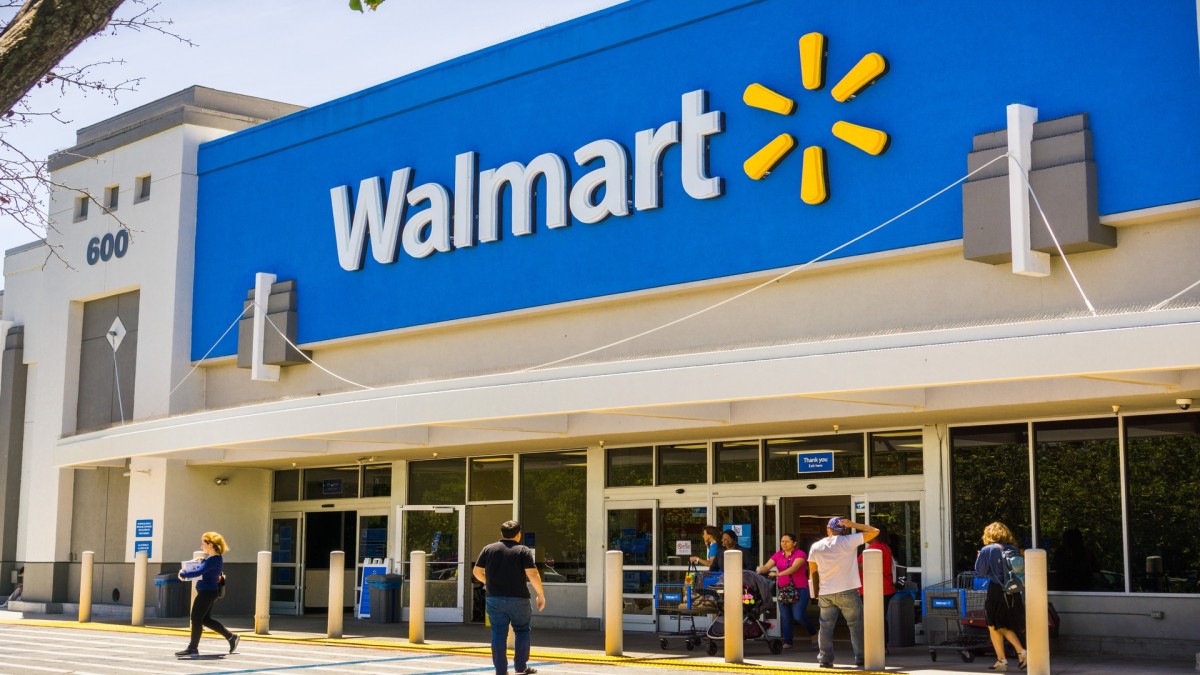 The Federal Communications Commission’s Enforcement Bureau requested that SK Teleco immediately cease and desist a scam robocall impersonating Walmart employees.
Image source: Shutterstock
The FCC demands cessation of Walmart-impersonation robocalls
On Dec. 2, the Federal Communications Commission’s (FCC) Enforcement Bureau requested that SK Teleco, the voice service provider, immediately stop scam robocalls impersonating Walmart employees.
If the company doesn’t take action to permanently prevent this and similar scam calls from traversing its networks, it risks being cut off from U.S. communications networks, according to FCC’s news release.
What is the Walmart impersonation robocall scam?
Per FCC’s report, the scam was based on AI voices identifying themselves as “Carl” or “Emma,” calling “from Walmart” and claiming there was a preauthorized purchase of PlayStation 5 orders from a person’s Walmart account for an amount of $919.45.
The voice would further guide customers, asking them to press 1 or call back if they want to cancel the order or connect to live operators.
Once consumers are connected to live operators, they would ask them for personal identifiable information, such as Social Security numbers.
“Scammers and thieves using our phone networks to defraud consumers or steal personal data is illegal and voice service providers must be part of the solution. While most providers understand this responsibility, we won’t tolerate those that turn a blind eye and allow shady robocallers on their networks,” stated FCC Chairman Brendan Carr.
FCC urges investigation of scam calls
The FCC cites data from industry watchdog Industry Traceback Group that traced 29 of the robocalls to SK Telecom and from the third-party robocall blocking service YouMail, which projects that almost 8 million robocalls were made.
The Industry Traceback Group already notified SK Teleco of “illegal robocall traffic” and urged an investigation, but the company did not respond, the FCC said.
The commission further notes that calling cellphones and playing artificial or prerecorded voice messages without a reasonable emergency or prior consent is unlawful.
Related: Google, Apple, Microsoft probed in scam crackdown
“If SK Teleco fails to take swift action to prevent scam calls, the FCC will require all other providers to no longer accept call traffic from SK Teleco. SK Teleco has 48 hours to effectively mitigate illegal traffic and 14 days to take steps to prevent a reoccurrence of such traffic on their network,” the FCC noted.
“Such an order would effectively isolate the company from the national communications grid, a penalty the FCC has imposed only a handful of times in its history,” writes Cord Cutters News.
How to spot red flags for scams
“Walmart scams don’t actually come from Walmart or Walmart employees — they come from scammers who use the company as a familiar disguise to trick their victims,” writes Robokiller, offering advice on how to spot red flags.
According to the tech company, which offers a mobile app that uses AI to block spam, robocalls, and scam calls for consumers and businesses, there are several popular and dangerous Walmart scams.
5 Walmart scams to watch out for:
- Gift card scams
- Survey email and text scams
- Delivery phone scams
- Mystery shopper scam
- Giveaway scams
Most important red flags for scams:
- Unsolicited communication
- “Too good to be true” offers
- Urgency and pressure
- Requests for personal information or payments Source: Robokiller
Phone scams are common and cost Americans billions of dollars a year
Various threads on Reddit, reveal similar scams and user comments point to the same red flags. For example, a thread from 10 months ago describes how an alleged Walmart representative called them and said someone tried to buy a $1,000 PC on their account.
“When I asked them for their store number they couldn’t answer the question. I was suspicious when they answered on the first ring as no Walmart I’ve ever called answers their phone during peak hours instantly. Beware of this scam,” reads the post by user Safe-Assumption-1537.
In just the first half of 2023, phone scams (including calls and text messages) cost Americans $46 billion, according to Robokiller’s 2023 research.
Related: 5 things you should know about cyberattacks in 2025