
Although Chick-fil-A is not available worldwide, the beloved American fast-food chain known for its chicken sandwiches, waffle fries, and signature “my pleasure” phrase has grown into one of the top restaurant chains in the industry.
Unlike many other global fast-food giants, Chick-fil-A has expanded its business with a slower, yet intentional, growth strategy. Since its founding in 1946 in Hapeville, Georgia, the family-owned company has remained committed to its roots, including its well-known policy of being closed on Sundays, which reflects its emphasis on Southern hospitality and community values.
Chick-fil-A has long proven that bigger isn’t always better. Its steady expansion and consistently high customer satisfaction show that prioritizing quality and service pays off.
For the 11th consecutive year, Chick-fil-A was again named the top quick-service restaurant, earning a steady score of 83 in the American Customer Satisfaction Index 2025 Restaurant and Food Delivery Study.
Many might say, “If it ain’t broke, don’t fix it.” But Chick-fil-A is making a major strategic shift across its non-traditional restaurants, one that will reshape the company for years to come.
Chick-fil-A transitions its non-traditional restaurants
Chick-fil-A is converting its licensed locations, found on college campuses, in hospitals, and at theme parks (excluding airports), to its owner-operator model. Under this franchise system, operators run the restaurant, manage daily operations, and share profits with the company, while Chick-fil-A retains ownership of the business assets.
This transition aims to create a more consistent experience across Chick-fil-A restaurants. It will also enable customers to utilize the chain’s technology solutions, including its app, membership program, and gift card redemption, benefits not currently available at licensed stores.
“At Chick-fil-A, our commitment to deliver an exceptional customer experience is at the heart of everything we do,” said Chick-fil-A in a press release. “We are excited about this next chapter and believe our local ownership business model will allow us to serve and care for guests and extend the great food and hospitality of Chick-fil-A in more places, for many years to come.”
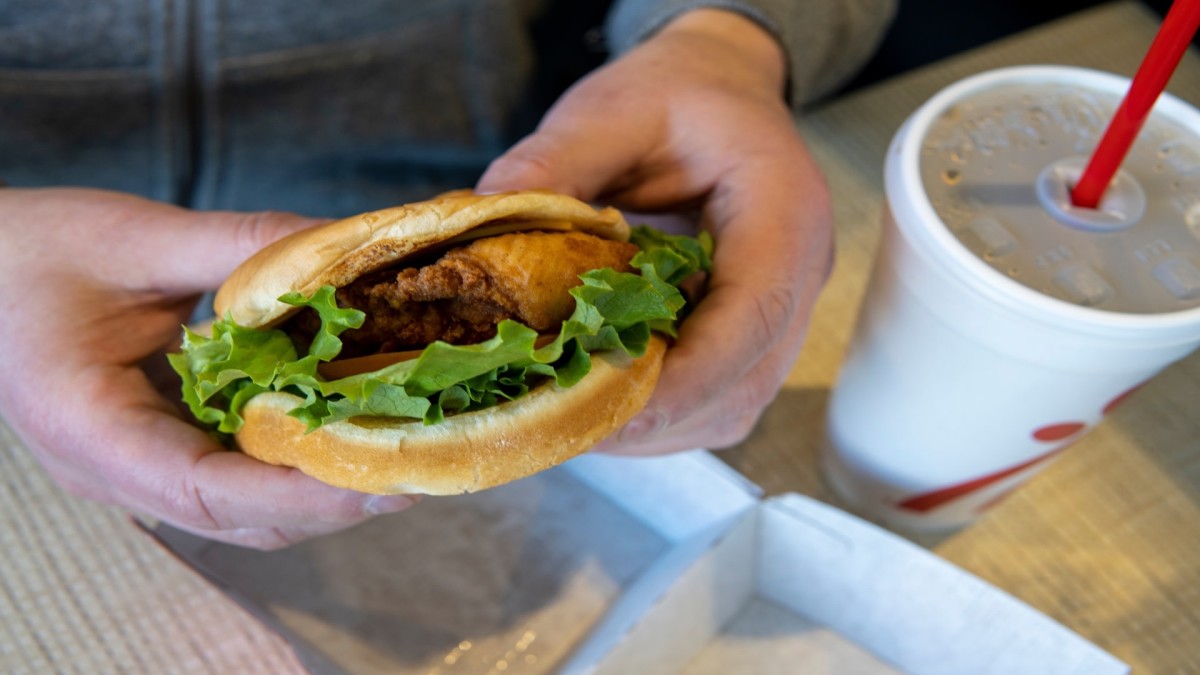 Chick-fil-A is converting 425 of its licensed locations to an owner-operator model.
A look inside Chick-fil-A’s footprint
As of December 31, 2024, Chick-fil-A operated approximately 3,109 domestic restaurants, including 2,684 company-owned and franchised locations, as well as 425 licensed stores, according to its Franchise Disclosure Document.
Surprisingly, the chain has quietly been closing locations as well, shuttering three mall units and 16 traditional restaurants in 2024. At the same time, it opened 132 new locations and 13 licensed stores.
Chick-fil-A restaurant breakdown
- Total restaurants: 3,109
Company-owned restaurants: 55
Franchised restaurants: 2,629
Licensed restaurants: 425
Recently, Chick-fil-A has also pursued international expansion after years of operating exclusively in North America. In 2025, it opened its first two overseas restaurants, including one in Leeds, England, and another set to debut in mid-December in Singapore.
Although Chick-fil-A has positioned itself as a standout success by staying true to its philosophy, some industry experts see limitations in its system.
“Chick-fil-A undeniably boasts one of the best fast-food concepts in the world,” Franchise Sidekick Founder & CEO Ryan Zink told Entrepreneur. “It has mastered the art of focus, quality and customer service. Yet, when it comes to franchise opportunities, it falls short due to the absence of exit value and limited growth potential. While Chick-fil-A may be a dream come true for some fortunate individuals, it may not align with the aspirations of those seeking scalable and long-term franchise investments.”
Chick-fil-A’s profitable business
Chick-fil-A generated over $9 billion in total revenue in 2024, an increase of nearly 14% from the previous year, and reached $22.7 billion in system-wide sales, which have been steadily rising year over year.
Total yearly Chick-fil-A sales
- 2024: $22.7 billion
- 2023: $21.6 billion
- 2022: $18.8 billion
- 2021: $16.7 billion
- 2020: $13.7 billion
- 2019: $12.2 billion Source: QSR Magazine
These results place the chain among the top three restaurant brands in the U.S. based on domestic system-wide sales. McDonald’s (MCD) leads with $53.5 billion in 2024, followed by Starbucks (SBUX) at $30.4 billion.
However, it’s important to note that both companies operate far more U.S. locations than Chick-fil-A. At the end of 2024, McDonald’s reported 13,559 restaurants, and Starbucks had 16,935.
Rising fast-food chain prices
If it feels like fast-food prices have skyrocketed in recent years, it’s because they have, and there’s data to support this claim.
From 2014 to 2024, menu prices in the sector increased between 39% and 100%, outpacing the national inflation rate of 33% during the same period, according to Finance Buzz.
Chick-fil-A’s prices have more than doubled since 2014, Starbucks’ prices have surged nearly 40% and McDonald’s prices have risen by 100%.
“This poses a significant challenge for restaurants, as home-cooked meals directly substitute demand for dining establishments, translating to reduced revenues and declines in customer traffic,” said Coresight Research analyst Sujeet Naik.
More Chick-fil-A:
- Chick-fil-A launches a new drinks-based restaurant brand
- Chick-fil-A unveils first-ever innovation to accelerate global growth
- Chick-fil-A tests popular menu idea McDonald’s dropped
Nonetheless, these fast-food chains have remained profitable by developing innovative products and constantly evolving their operating models to meet consumer demands.
“In response to the decreasing food dollar and the empowered customer, restaurants are turning to innovative business and operating models to grab a greater share of the market,” said KPMG Restaurant Segment Leader Paul Fultz and Strategy Leader of Consumer Markets Joel Rampoldt in a study.
Related: Pub chain forced to close all locations with no notice