
PepsiCo, which owns popular food and drink brands such as Pepsi, Quaker, Lay’s, Gatorade and Tostitos, has been struggling with low consumer demand over the past few months as many shoppers feel the weight of economic pressures.
During the third quarter of this year, PepsiCo’s U.S. revenue from its food brands declined by 3% year over year as volume decreased by 4%, according to its latest earnings report. While the company saw U.S. revenue from its beverages increase by 2%, volume for these products declined by 3%.
In an earnings call on Oct. 9, PepsiCo CEO Ramon Laguarta flagged that consumers are “stressed all over the world” and are being more cautious about their spending.
“When you look at low-income households or middle-income households, they’re very stretched,” said Laguarta. “Fixed cost of living are going up around the world.”
He also noted that consumers are becoming increasingly health-conscious, shifting toward healthier food and beverage options.
“Consumers are much more informed about you know, the food and the drinks the ingredients in the foods and the drinks, and I think it’s a secular trend as well that consumers will be more making choices based on clean labels, based on the ingredients in the food and not only the taste, but also the type of food that is in the brands,” said Laguarta.
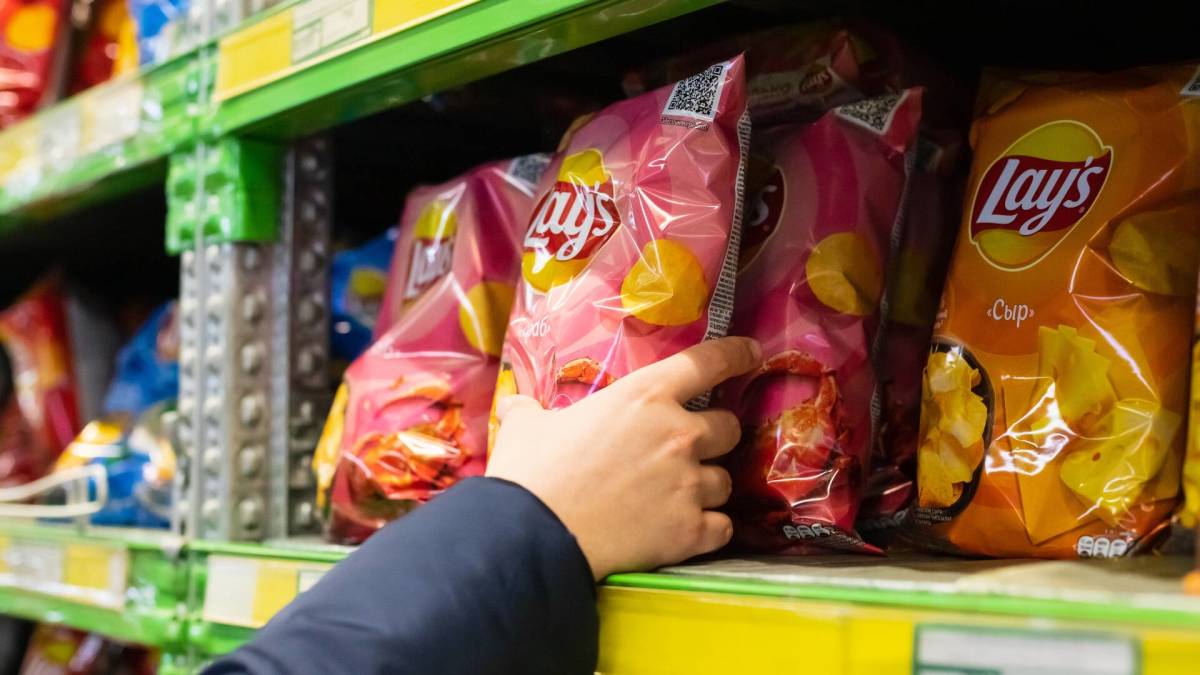 PepsiCo struggled with low consumer demand during the third quarter of 2025.
PepsiCo announces a new turnaround plan amid declining sales
PepsiCo has been focused on removing seed oils, artificial colors, and flavors from its products to win back customers. It has also doubled down on offering lower prices to consumers through smaller-sized snack offerings; however, PepsiCo is now planning a more aggressive approach to improve its performance.
The company has reached an agreement with activist investor Elliott Investment Management to scale back its product lineup in the U.S. and lower prices, according to a new press release.
Under the agreement with Elliott Investment Management, PepsiCo will specifically focus on “implementing sharper everyday value through a targeted approach on affordable price tiers by brand and channel.”
Related: Kroger CEO has a harsh solution to rising prices in stores
“We have the opportunity to reinvest in value in a more substantial way,” said Laguarta in a call with analysts on Dec. 9. “We’re choosing to invest in everyday value, so reset the price, the consumer prices from our key bands.”
PepsiCo’s increased focus on making its brands more affordable comes at a time when more Americans are reevaluating their spending habits and worrying about rising grocery prices, according to a recent survey from LendingTree.
How Americans are shopping for groceries in 2025:
- Approximately 61% of Americans have cited stress over paying for groceries.
- Also, 88% have adjusted their grocery shopping habits as they face higher costs.
- Specifically, 44% said they’re buying more generic brands, 38% are sticking to their shopping lists and 29% are paying closer attention to prices. Source: LendingTree
In addition to lowering prices, PepsiCo will also focus more heavily on innovation by removing artificial colors and flavors from its products, providing simpler ingredients that include more protein, fiber and whole grains.
The company will also double down on “aggressively reducing operating costs,” which includes pushing automation, digitalization and simplification initiatives. This also involves cutting its product lineup in the U.S. by 20% by early next year. The company didn’t specify which products would be impacted.
“We appreciate our collaborative engagement with PepsiCo’s management team and the urgency they have demonstrated,” said Elliott partner Marc Steinberg in the press release. “We believe the plan announced today to invest in affordability, accelerate innovation and aggressively reduce costs will drive greater revenue and profit growth.”
The move comes after Elliott Investment Management, which has a $4 billion investment in PepsiCo, previously stated in a September letter to PepsiCo’s board of directors that the company needs an “ambitious turnaround plan,” as it has recently become a “dramatic underperformer.”
PepsiCo sends a harsh message to employees
As part of its efforts to slash costs, PepsiCo also plans to reduce its workforce, according to a recent report from Bloomberg.
The company has also informed employees in several U.S.-based offices to work remotely this week, a move that typically precedes layoff announcements.
More Retail:
- Marshalls makes bold change to return policy ahead of holidays
- Walmart quietly shrinks generous offer for holiday shoppers
- BJ’s Wholesale announces free offer for customers amid struggles
“We will be making structural changes to our business that will affect some roles in the company,” said Jennifer Wells, PepsiCo North America chief people officer, in a message to workers on Dec. 8.
The upcoming layoffs follow PepsiCo’s decision to close two Frito-Lay facilities in Florida last month, resulting in over 450 workers losing their jobs.
Many companies nationwide have been relying on layoffs to help cut costs, a trend that is expected to continue in 2026.
How U.S. companies are planning job cuts in 2025 and 2026:
- In 2025, 39% of companies have already conducted layoffs, and 35% plan to reduce headcount by the end of the year.
- Additionally, 1 in 10 companies have enforced a hiring freeze, and 41% have even scaled back hiring.
- The primary reasons for hiring declines include economic uncertainty, trade policy, and AI adoption.
- Also, 6 in 10 companies will likely lay off employees in 2026, while 37% expect to replace roles with AI by the end of next year. Source: Resume.org
“There is a push toward leaner, more tech-ready workforces where cost efficiency and agility outweigh tenure or traditional career pathways,” said Kara Dennison, head of career advising at Resume.org, in a statement. “For professionals, this is a call to start reskilling, especially in AI and emerging technologies.”
PepsiCo is confident that the initiatives outlined in its turnaround plan will accelerate revenue growth in the U.S. The company expects its full-year 2026 organic revenue growth to range between 2% and 4%. It predicts that it will deliver the high end of that range during the second half of 2026.
PepsiCo’s bold plan to improve its performance is raising eyebrows among analysts, with some remaining skeptical.
In an analyst note obtained by Investing.com, Morgan Stanley analyst Dara Mohsenian said PepsiCo “laid out 2026 goals that were likely slightly better than expected.”
Still, he warned that the guidance “was not necessarily conservative,” as the company is taking “aggressive actions to reinvigorate OSG (organic sales growth),” but many of the initiatives “were more of a reiteration of prior plans.”
Related: Verizon CEO reveals mistakes that led to over 13,000 layoffs