
U.S. roads have undoubtedly gotten safer over the last 50 years.
Back in 1975, there were more than 44,500 motor vehicle deaths among a population of 216 million, according to the Insurance Institute for Highway Safety.
U.S. car drivers were only traveling 1.3 trillion miles annually back then.
By 2011, the number of auto fatalities dropped to 32,479, despite Americans traveling nearly 3 trillion miles that year. The rate of deaths per 100 million miles dropped to 1.1 in 2011 from 3.35 in 1975, and that’s with a population that is 100 million more people strong.
However, 2011 was the peak year of safety on U.S. roads, and the trend has been moving in the opposite direction since.
The year 2021 was the most recent peak for auto fatalities, as more than 43,230 people were killed on U.S. roads, moving the rate per 100 million miles up to 1.38, the highest it had been since 2006.
While vehicle safety features and regulation have helped curb this issue, new data from the National Highway Traffic Administration suggest that drivers are adding to the problem.
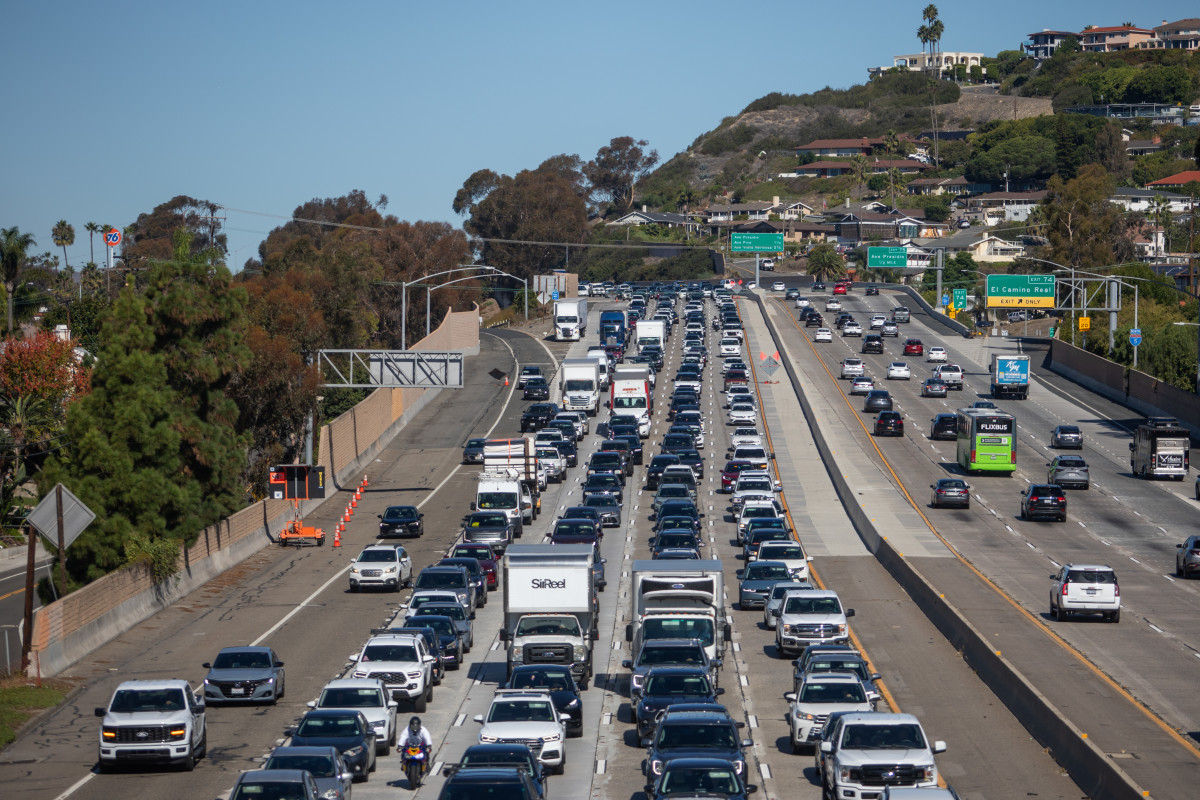 Auto fatality rates are moving in the wrong direction, and one surprising factor may contribute to the problem.
Photo by Apu Gomes on Getty Images
NHTSA annual report shows millions of recalled vehicles have not been fixed
Millions of Americans are driving around in vehicles that have been recalled but were never fixed, according to NHTSA data.
Between 2015 and 2024, approximately 12 million vehicles were recalled due to safety defects that could prevent airbags from deploying. Approximately 22%, or 2.6 million, of the affected vehicles remain unfixed, according to data analyzed by The Wall Street Journal.
Related: Latest Stellantis recall adds to disturbing industry trend
The Journal found 12 people who died in crashes in one of those vehicles.
Approximately 69% of recalled vehicles were fixed in 2024, indicating that nearly a third of all vehicle recalls were not addressed by car owners.
“NHTSA focuses on those areas proven to save lives and where we have authority to take effective action, including finding vehicle defects and ensuring manufacturers launch recalls,” a spokesman for NHTSA said.
“The agency does not have statutory authority to force consumers to fix their recalled vehicles.”
This is an issue that affects all drivers, not just the ones piloting the recalled vehicles.
“Millions of Americans are driving cars that could fail in a crash. Why? Owners don’t act on recall notices, contact info is outdated, fixes aren’t always ready, and backlogs on repairs and parts,” Dominick Miserandino, CEO of Retail Media Nexus, told TheStreet.
“This isn’t just a statistic, it’s a real safety risk, and both drivers and car companies should be concerned.”
Q3 safety report shows recalls hit nearly a two-year high
Automakers issued recalls affecting more than 8.49 million vehicles in the third quarter, a 16% sequential increase, according to BizzyCar.
The third quarter was the second consecutive quarter of elevated recall volumes and the highest total recorded since Q1 2024.
Related: Honda forced into another recall over potentially dangerous issue
“As vehicles become increasingly software-driven and reliant on advanced electronics, recalls are shifting toward critical safety and digital components,” BizzyCar noted.
Ford continued to pad its recall lead in the quarter, issuing recalls that affected more than 5 million vehicles. Stellantis, Toyota, Hyundai, and BMW, the next four biggest recallers, even combined, barely reach half of the number of vehicles Ford recalled.
Ford leads the pack in recalls in 2025
Ford has had a record-setting 2025 in the absolute worst way.
The Blue Oval surpassed General Motors’ 11-year recall record when it issued its 78th recall of the year, Kelley Blue Book reported. Ford had issued 89 recalls by June.
Ford has issued more than 140 recalls so far this year, according to NHTSA, meaning the company is on track to more than double GM’s record.
While Ford isn’t the only original equipment manufacturer struggling with recalls in 2025, it is by far having the toughest time.
Ford has accounted for 35% of U.S. auto recalls this year, according to the National Highway Traffic Administration. Stellantis, in second place for the number of recalls, only accounted for 12%.
On Dec. 5, Ford added to its tally.
Ford says it’s fixing recall and quality issues
Ford is aware of its quality-control issues, and CFO Kumar Galhotra addressed the issue during his comments on the company’s third-quarter earnings call.
“Improving quality is the single biggest driver to close our cost gap. Better qualitylowers warranty expense and reduces recalls,” Galhotra said.
Ford says it is already making progress and is “on track” for best-in-class performance across six of its nameplates, with three other nameplates in the top quartile, according to J.D. Power warranty analytics data.
The company also reported lower year-over-year third-quarter warranty costs, down $450 million.
In 2023, Ford spent $4.8 billion fixing customer vehicles, a 15% increase from the previous year. It set aside $1,203 for warranty repairs on each car it sold that year, according to Warranty Week.
A recent study by iSeeCars.com, analyzing 31 years of recall history, found that Ford is the least proactive car brand when it comes to issuing recalls. Fewer than 30% of the cars recalled over the last three decades resulted from a problem Ford found on its own.
To remedy this problem, in 2024, Ford initiated a new quality assurance program that incorporates “testing vehicles to failure,” running them “at extremely high mileage” to find potential problems before customers do.
At the time, CEO Jim Farley said the new approach would “reduce warranty (costs) over time.”
Related: Wealthy buyers expose distressing auto industry trend