
If you have siblings, you have undoubtedly felt the sting of favoritism when you aren’t treated the same as your parents’ favorite. (And if you’ve never experienced that feeling, then you were probably the favorite.)
Sometimes, though, the underdog can become the favorite.
Despite Tesla CEO Elon Musk complaining to CNBC that President Joe Biden’s administration “pointedly ignored” Tesla, Musk has been able to achieve a complete 180-degree shift in his relationship with Biden’s successor.
President Donald Trump embraced Musk with both arms after Musk reportedly spent over a quarter of a billion dollars to help him get elected. Musk went from White House outsider to unofficial cabinet member with an office in the West Wing for 130 days, as Politico reported.
The president even held an unofficial advertising event for Musk and Tesla on the White House lawn earlier this year, amid declining sales for the EV maker.
But good times can’t last forever, and Trump and Musk’s friendship disintegrated, seemingly just as fast as it appeared out of nowhere.
Musk and Trump have since kissed and made up, and Musk appears to be a little more savvy about navigating Washington, D.C.
The volatile Musk had threatened to use his billions to fund a third party last summer, but it seems like he has once again changed his mind.
Last month, Axios reported that Musk has begun funding Republican House and Senate campaigns for the 2026 midterms. That type of political influence may benefit Tesla in ways that its OEM siblings don’t appear to appreciate.
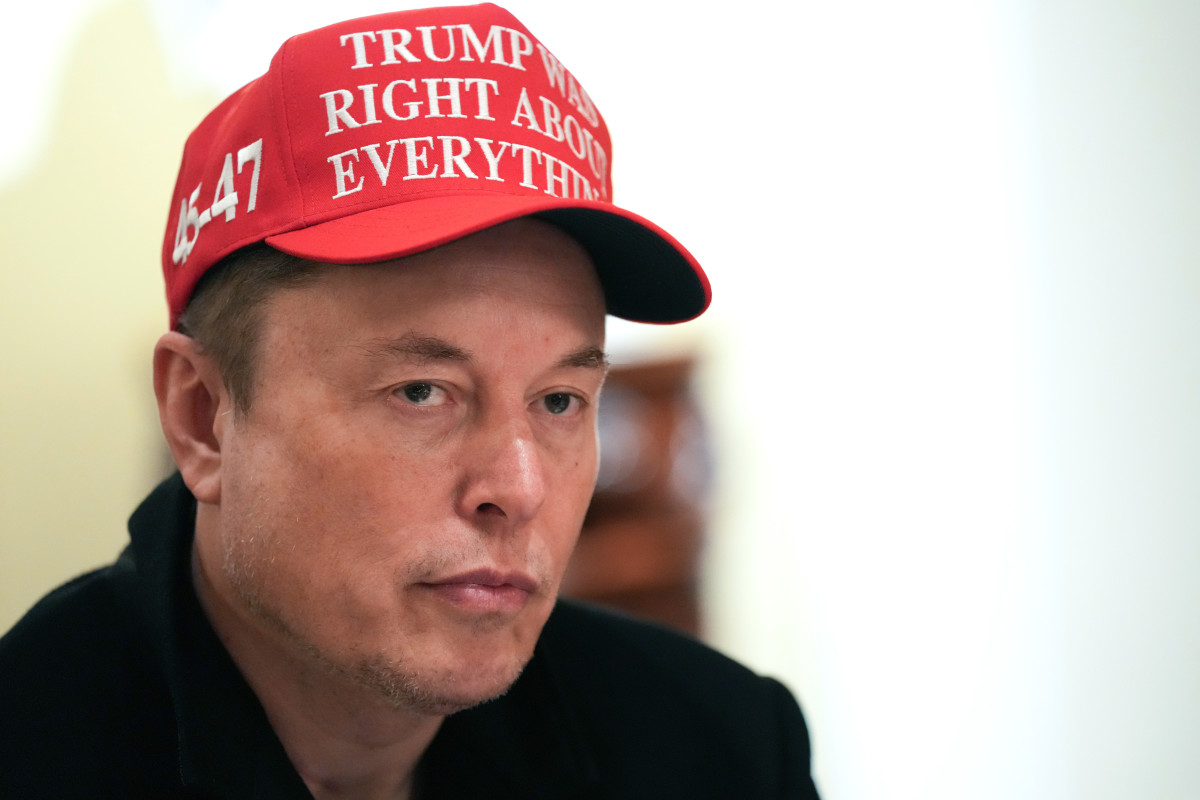 Elon Musk once had an office in the White House.
Photo by Win McNamee on Getty Images
Ford, GM could skip Congressional hearing over Tesla’s special treatment
The U.S. Senate Committee on Commerce, Science, and Transportation plansa hearing on January 14 to discuss “how radical global warming regulations and mandated technologies have driven up the cost of vehicles for American consumers.”
U.S. Senator Ted Cruz (R-Texas), who represents Tesla’s home state, chairs the committee.
Related: GM CEO Barra joins Ford in backing controversial White House policy
Invited to speak to the committee about why the price of the average new vehicle has more than doubled over the last 15 years are Mary Barra, CEO of General Motors; Antonio Filosa, CEO of Stellantis; Jim Farley, CEO of Ford; and Lars Moravy, VP of vehicle engineering for Tesla.
The committee did not explain why it summoned the CEOs of the other companies. Still, it only settled for a VP to represent Tesla, and Ford and GM are reportedly unhappy about it.
“Ford believes that it is essential that any potential hearing adhere to Congress’s longstanding tradition of ensuring comparable treatment for similarly situated companies,” said a letter from an outside law firm representing Ford, viewed by Politico.
“If a vice president of engineering is appropriate for the planned hearing, the other companies should have the opportunity to offer a similar witness.”
Meanwhile, General Motors CEO Mary Barra is also questioning why she should appear when Musk doesn’t have to. A GM spokesperson told The Detroit News that “Mary Barra will attend the hearing if the other companies’ CEOs do the same.”
Stellantis, Ford, and General Motors did not immediately respond to a request for comment on whether their CEOs will attend the meeting.
Senator Ted Cruz carves out a special place for Tesla CEO Elon Musk
If Senator Cruz wants the other car executives to attend, he seems to be going about it the wrong way.
Cruz told Politico that he intentionally did not invite Musk because his attendance would shift the focus of the hearing away from the topic of affordability.
Related: General Motors makes a harsh decision as EVs falter
“His role is different from simply an auto CEO, and my objective is to have a hearing that actually focuses on auto affordability and giving the Democrats the opportunity to scream at Elon for three hours would be counterproductive to that task,” Cruz said.
Based on the previous responses, it doesn’t seem like that will be enough to get the CEOs to Washington. Despite this, Cruz says, “My expectation is they will all be there.”
Ford and GM agree with the premise of Senator Cruz hearing
Under President Biden, cars and trucks were required to have an average fuel economy of 49 miles per gallon by model year 2026 as part of the administration’s plan to reduce carbon emissions by between 50% and 52% below 2005 levels by 2030.
At the time, Ford said it would face $1 billion in fines from 2027 to 2032 under Biden’s rules.
Earlier this year, the Department of Transportation, under President Donald Trump, declared that the Biden administration had exceeded its authority when calculating emissions standards by inflating the expected adoption of electric vehicles.
As of July, Congress eliminated CAFE penalties, meaning automakers will no longer face government fines for not meeting fuel economy standards.
The U.S. government’s Corporate Average Fuel Economy (CAFE) rules for automakers codify the average fuel efficiency for their fleets.
Last month, President Trump announced the U.S. is returning CAFE standards “to levels that can actually be met with conventional gasoline and diesel vehicles,” calling the Biden administration’s standards “unrealistic.”
Ford CEO Jim Farley was in the White House for the announcement.
“Today is a victory for common sense and affordability,” Farley said, standing while the president sat next to him.
While Farley reminded the world that 77% of Fords are manufactured in the U.S. and that the company was second in U.S. EV sales and first in internal combustion sales, he also called the new CAFE rules “the right move.”
“This allows us to invest in affordable vehicles made in the U.S., which we will take the lead on, and will allow us to make vehicles more affordable,” Farley said.
Last July, Reuters reported that General Motors agreed to pay a $145.8 million penalty and forfeit emission credits worth an additional $300 million. This followed a multi-year investigation that found 5.9 million vehicles from the 2012-2018 model years were emitting, on average, more than 10% higher carbon dioxide than GM’s initial compliance reports claimed.
GM also admitted that through 2023, its total costs expensed in connection with emission compliance were about $450 million.
Related: Ford CEO Jim Farley celebrates $1 billion ‘common sense victory’