
Samsung Electronics is wagering that your next big home improvement won’t just be bigger displays or shinier appliances. Instead, it will be a tighter web of AI features that makes it tougher to keep up with outdated hardware.
Samsung introduced its “Companion to AI Living” presentation this week at CES 2026 in Las Vegas. Leadership said that AI is what connects TVs, mobile devices, appliances, and services.
That sounds like a story about making things easier for customers. But it is also a story about how to set prices. If AI capabilities perform better and better in Samsung’s linked ecosystem, the company has more room to push people to buy higher-end devices and keep them upgrading.
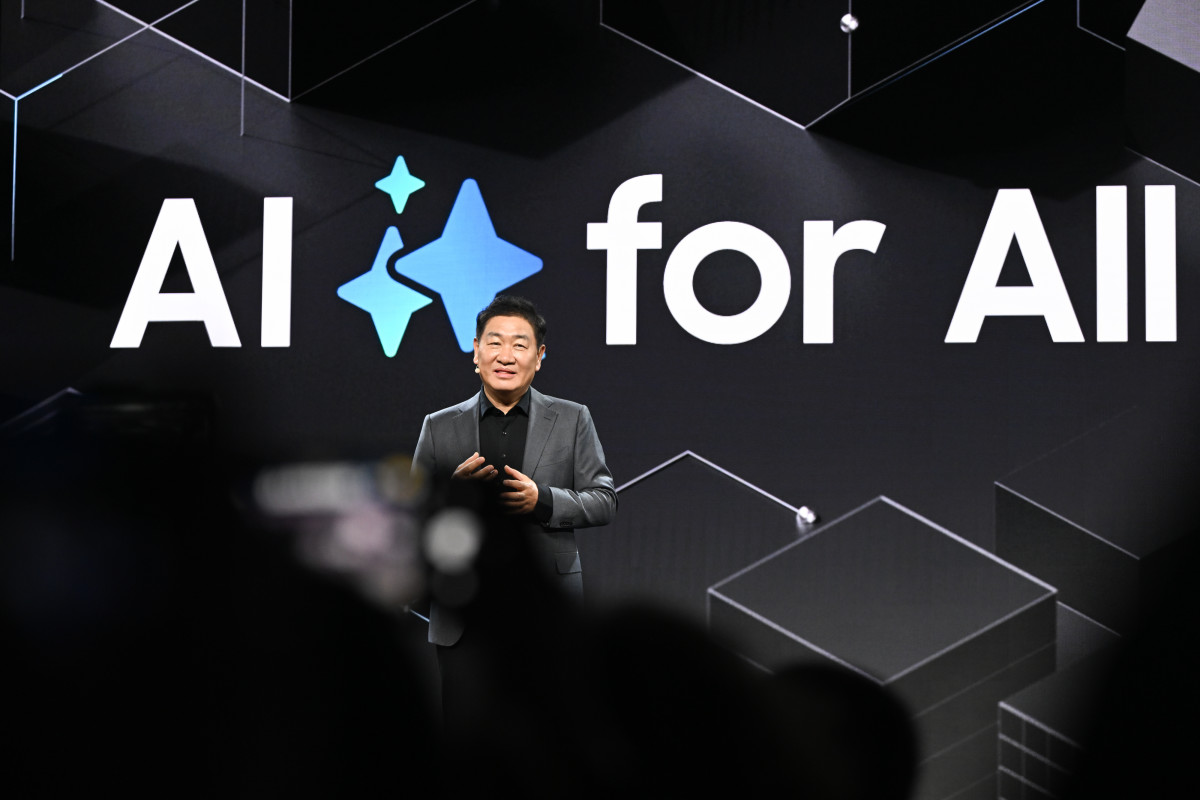 Samsung is turning the smart home into a platform, blending retail wow factor with a longer-term investor payoff.
Photo by Anadolu on Getty Images
Samsung’s new TVs, smarter appliances, more “helpful” screens
The main point of Samsung’s demonstration was that screens will become more “alive.” It showed off a new ultra-premium flagship TV: the R95H, the world’s first 130-inch Micro RGB TV. Hun Lee, an executive vice president in Samsung’s visual display business, said, “Micro RGB represents the peak of our picture quality innovation.”
Samsung also said that its Vision AI Companion is a layer that helps you decide what to watch. It can even assist you in finding recipes based on what you see on screen. Samsung claimed that all of their 2026 TVs will support HDR10+ ADVANCED and come with Eclipsa Audio, a revolutionary spatial sound system. It also announced that TVs that use the newest version of Tizen OS will get seven years of OS updates. This means that the set will keep getting better once it arrives in the living room.
Related: How Netflix could benefit by losing the Warner Bros. deal
Samsung emphasized the idea of “home companions” that make daily life easier in the kitchen and laundry room. It showed off new features of the Family Hub refrigerator that use AI Vision and Google Gemini, as well as functions that suggest meals and make cooking easier. It also showed off its Bespoke AI Laundry Combo and a new version of the AirDresser that is meant to help with common morning problems like wrinkles.
Why the upgrade cycle could get pricier
Samsung’s main point is that AI works better when all the parts are connected. That story tends to favor higher prices in two ways.
First, it’s easy to explain why you should buy high-end hardware. A 130-inch flagship TV isn’t something that most people will buy, but halo items can make people demand more from all of the TVs in the line. If Samsung can convince people that its finest AI experiences need its newest display processors, remotes, and platform capabilities, it can move them from “good enough” to “I might as well get the better one.”
Related: AI spending is surging, but a hidden risk is getting overlooked
Second, the ecosystem can make it more expensive to switch. It’s more annoying to switch brands when your TV suggests a recipe, your fridge confirms the ingredients, and your appliance starts the cooking process. That helps keep customers, and it’s also a sneaky strategy to protect price power.
More AI Stocks:
- Morgan Stanley sets jaw-dropping Micron price target after event
- Bank of America updates Palantir stock forecast after private meeting
- Morgan Stanley drops eye-popping Broadcom price target
- Nvidia’s China chip problem isn’t what most investors think
- Bank of America sets AI stocks to buy list for 2026
Pricing power is important to investors since the market for consumer electronics is so competitive. Samsung has a better chance of boosting its margins if it can raise the average selling prices of TVs and appliances, even if unit growth isn’t steady.
Services, stickiness and a real “savings” wedge
The SmartThings platform from Samsung is a big aspect of the plan. Samsung announced that as of December 2025, SmartThings has well over 430 million users. This gives the company a huge way to get new connected-home capabilities to people.
Samsung is trying to make smart appliances pay for themselves, which is a more interesting financial twist. Samsung and Hartford Steam Boiler worked together to create Smart Home Savings, a service that helps U.S. consumers cut their home insurance costs by identifying protective features on connected equipment. Samsung says that appliances that can find early signs of risk, like little water leaks, can help insurance companies give policy credits that lower premiums.
Related: Novo and Lilly shift GLP-1 strategy abroad: US may be next
If the program grows significantly, it might affect the math for consumers. It’s simpler to sell a more expensive fridge or washer-dryer set if the buyer thinks that some of the money will come back to them in monthly savings. Even if savings can be very different depending on the carrier and state, this is a unique case of a smart-home function that is directly linked to household budgets.
What to watch next at Samsung
Samsung didn’t disclose a lot of information on the prices or availability of all the products it teased at CES, so it’s hard to say how much money it will make in the near future. But there are a few definite signs that investors and shoppers can look for till 2026:
- How high Samsung sets the prices for its AI-powered high-end TVs and appliances, and if its competitors match or beat those prices.
- If features powered by SmartThings really make people want to upgrade faster, or if people are still okay with keeping their old devices for longer.
- How quickly Smart Home Savings grows beyond pilots and early rollouts, and whether insurance companies market it as a real distinction.
Samsung’s message at CES was clear: AI is the reason to upgrade. If that pitch works, the next upgrade cycle could cost more, and Samsung is getting ready to be the firm that gets the extra money.