
The White House just put your credit cards at the center of a new affordability push, floating a move that could radically change what you pay to carry a balance for a year.
President Donald Trump called for “a one year cap on Credit Card Interest Rates of 10%” in a Truth Social post announcing the proposal.
He added that “we will no longer let the American Public be ‘ripped off’ by Credit Card Companies that are charging Interest Rates of 20 to 30%, and even more, which festered unimpeded during the Sleepy Joe Biden Administration. AFFORDABILITY!”
Trump said the cap would begin on January 20, 2026, timing it to “coincide with the one year anniversary of the historic and very successful Trump administration.”
The White House framed the idea as a way to give households breathing room after years of high inflation and borrowing costs, in coverage of the announcement cited by CNN.
Trump offered few specifics on rate-cutting plan for credit cards
Right now, we have a social‑media pledge, not a finished policy playbook, which matters for whether any of the president’s talk ever hits your credit card statement.
President Trump did not spell out in the Truth Social post whether he wants Congress to pass a law, regulators like the CFPB and Fed to act, or card issuers to voluntarily agree to a temporary cap.
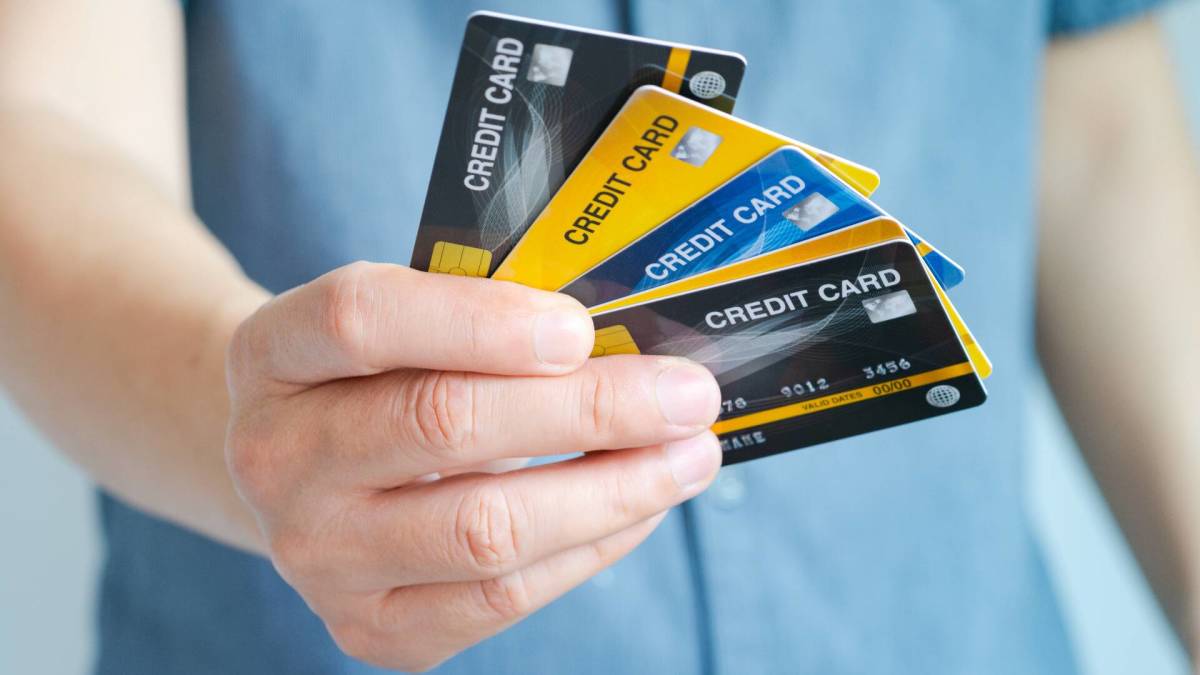 The White House teases a big move that could shake up your plastic.
The president called for “a one-year cap on credit card interest rates at 10%, effective Jan. 20, without specifying details,” Bloomberg reported.
“The president cannot unilaterally cap credit interest rates; it would require an act of Congress,” noted Business Insider in its analysis of the proposal.
Trump “will temporarily cap credit card rates” for a year starting January 20, but the White House has yet to release draft legislation or a regulatory filing, said Politico.
That gap between political promise and legal authority is what you need to watch as this “big move” transitions from Truth Social into Washington’s machinery.
How far is 10% from the credit-card interest rate you pay now?
A 10% cap sounds abstract until you compare it to what’s actually happening on the cards in your wallet.
The average APR on new credit card offers in January is 23.79%, with rates ranging from about 20.18% for borrowers with really good credit to 27.39% for those with really poor credit, according to LendingTree.
For existing accounts, the average APR across all credit cards is 20.97%, and it jumps to 22.30% on accounts that actually accrue interest, according to the same LendingTree analysis.
More Personal Finance:
- Why selling a home to your child for a dollar can backfire
- Elon Musk says ‘universal high income’ is coming
- FTC, 21 states sue Uber over ‘shady’ subscription billing
- Trump’s bold new tax promise has families asking one big question
- SoFi Bank Shakes Up Subscription Product, Launches New Charge Card
Sofia data shows that card interest rates range from 17.69% for someone with “excellent” credit to as high as 35.99% for someone with “poor” credit, as cited by MarketWatch.
That means a hard 10% ceiling would not be a nudge; it would be a hard reset for a big slice of the revolving balances Americans carry month to month.
If you owe $5,000 at an APR of roughly 22% and just cover interest for a year, you will pay about $1,100; at 10%, the interest bill drops to around $500, putting roughly $600 back in your pocket.
That is the math behind President Trump’s claim that people are being “ripped off” at 20% to 30% rates, as he wrote in his Truth Social statement.
The political and industry fight behind the White House credit-card interest-rate push
This Truth Social blast didn’t arrive out of nowhere; rate caps have been bubbling in Congress and in the banking lobby for years.
Senator Bernie Sanders has pushed his own 10% ceiling, blasting banks for “getting away with murder” by charging up to 30% on cards, in comments highlighted by Business Insider.
Congress.gov shows a Sanders‑backed bill, the 10 Percent Credit Card Interest Rate Cap Act, that would temporarily cap card interest at 10% and allow borrowers to sue lenders that violate the limit, with the provisions expiring in 2031.
Trump’s one‑year cap echoes the same headline number but stops well short of Sanders’ longer timeline, in side‑by‑side coverage of the proposals.
Related: Costco quietly added a major credit card perk
The banking industry has already started arguing that a blunt 10% cap will hurt the very people it claims to help, in a coordinated response.
A joint statement from the American Bankers Association and Bank Policy Institute said “evidence shows that a 10% interest rate cap would reduce credit availability and be devastating for millions of American families and small business owners who rely on and value their credit cards,” in comments reported by Business Insider.
Academic work backs up at least part of that argument in other markets. A study of Illinois’ 36% rate cap on unsecured installment loans found that the number of loans to subprime borrowers fell by about 38% and survey data suggested the cap “worsened the financial well-being” of many higher‑risk borrowers who lost access to credit.
Research on Oregon’s payday‑loan cap reached a similar conclusion, with economist Jonathan Zinman finding that restricting access to high‑cost credit led to “deterioration in the overall financial condition” of affected households and pushed some borrowers into inferior substitutes.
Some former Trump economic advisers are also skeptical of a strict cap, warning it could distort credit markets, even if it is politically popular with heavily indebted households, Fox Business reported.
For you, all of this means the fight is not simply over whether rates are too high; it is over who gets access to traditional credit and what replaces it if banks pull back.
What a 10% interest-rate cap could mean for your credit cards and budget
Even if the 10% credit-card rate cap ends up being more tease than reality, my advice is to treat it as a roadmap, not a rescue plan.
Here are a few practical angles to watch:
- You may see more “creative” pricing. Issuers could respond to cap talk by leaning on annual fees, penalty charges, and shorter 0% promo windows rather than cutting headline APRs across the board, in line with patterns described by Bankrate’s rate coverage.
- Your credit score could matter even more. If margins compress, lenders are likely to tighten the credit box, which would make your FICO score, utilization, and late‑payment history even bigger factors in approvals and credit limits, according to LendingTree’s commentary on rate spreads.
- Alternatives will stay important. Balance‑transfer cards with introductory 0% periods, lower‑APR personal loans, and credit‑union cards can already undercut typical card rates without any law changing, according to comparisons from LendingTree and Bankrate.
The surest way to beat any APR is simply not to carry a balance, calling full monthly payoff the “foolproof” way to avoid interest altogether, according to NerdWallet.
Debt statistics provided by LendingTree shows that roughly half of cardholders carry a balance at least some of the time, which tells me a real, enforced cap would show up quickly in millions of household budgets.
If you are one of those cardholders, my view is that you do not have to wait on Washington to act. You can start right now by listing your card APRs, prioritizing extra payments to the highest‑rate balances, and shopping for lower‑rate options while the political fight plays out.
What to watch next
The White House teaser is really a starting gun for a broader fight over how much profit banks can earn on your revolving debt.
While the White House teases a shake‑up for your plastic, and Congress decides how far it is willing to go, the most reliable “cap” for now is still the one you control: how much you swipe, how quickly you pay it down, and how aggressively you look for cheaper credit.
Related: President Trump takes all the credit for a record-setting year