
When the Federal Reserve is under intense political scrutiny, the stakes extend well beyond Washington. The central bank’s decisions on interest rates directly shape borrowing costs, inflation, and long‑term investing conditions for households.
President Donald Trump has spent months criticizing the Fed for not delivering deeper, faster rate cuts, even as inflation has eased from its post‑pandemic highs.
That criticism is now tied to a criminal investigation that the Trump Justice Department has launched into cost overruns on the renovation of the Fed’s Washington headquarters and Powell’s 2025 Senate testimony about those costs, as reported earlier.
In practical terms, the probe matters because of what it could mean for rate‑setting, not construction details. Powell has kept short‑term rates in the 3.50% to 3.75% range while markets and the White House have pushed for quicker easing, a posture meant to protect the Fed’s inflation‑fighting credibility even as it keeps pressure on mortgages, auto loans, and credit‑card borrowers.
Powell’s statement on DOJ investigation and what it really signaled
The Fed chair chose not to stay quiet. In a short video statement and transcript posted by the Federal Reserve on January 11, Jerome Powell said the investigation “is not about my testimony last June or about the renovation of the Federal Reserve buildings” and described those topics as “pretexts.”
“The threat of criminal charges is a consequence of the Federal Reserve setting interest rates based on our best assessment of what will serve the public, rather than following the preferences of the President,” Powell added.
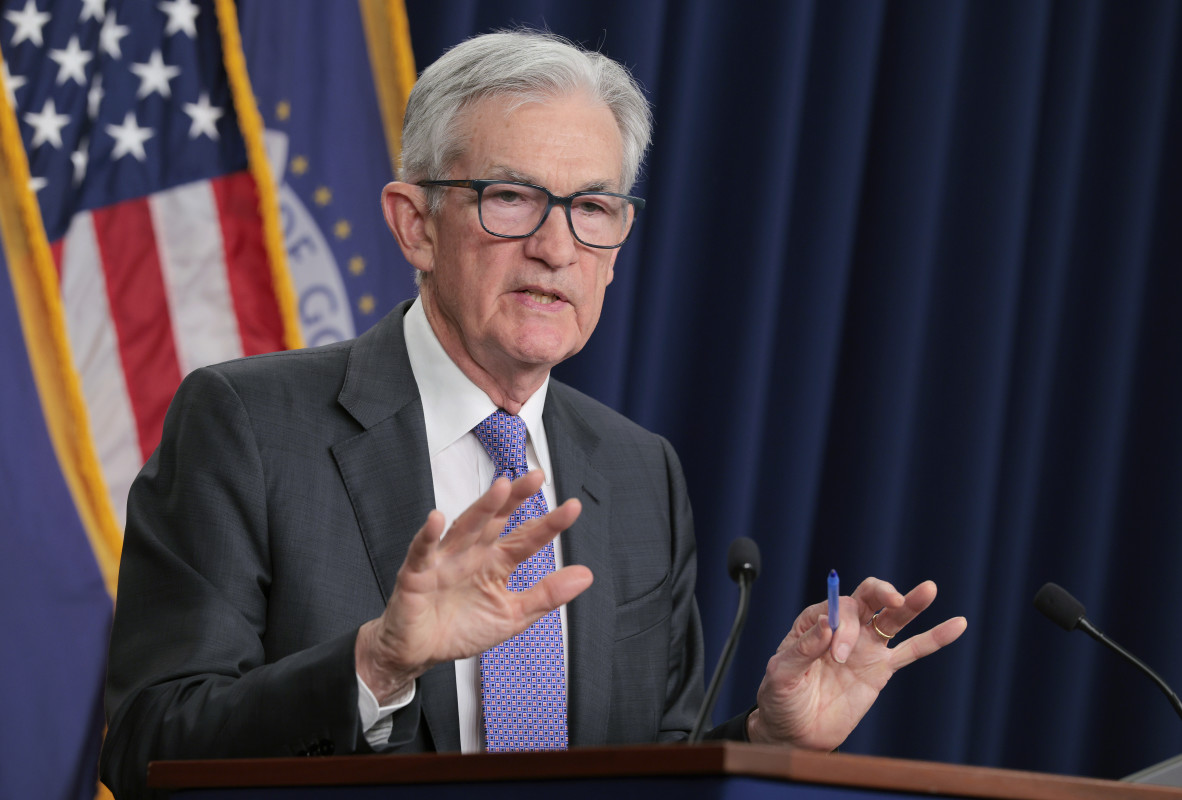 Investors brace for impact as Trump takes aim at the Fed.
Photo by Chip Somodevilla on Getty Images
He framed the fight around a simple binary: “This is about whether the Fed will be able to continue to set interest rates based on evidence and economic conditions, or whether instead monetary policy will be directed by political pressure or intimidation.”
That is the line that matters if you are trying to decide how much political risk to build into your portfolio’s base case.
More Federal Reserve:
- Cooling jobs report resets Fed interest-rate cut bet
- Fed faces 2026 upheaval as economy shifts, Powell exits
- Fed official forecasts bold path for interest rates, GDP in 2026
- Fed cuts rates as dissents loom at key December meeting
Economists and former officials are treating that line as a red flag, not just another Beltway quote. Using a criminal probe this way “is the road to a banana republic” in terms of compromising Fed independence, said Former Fed Chair Janet Yellen, according to CNBC.
Allianz adviser and Wharton professor Mohamed El‑Erian also warned that Powell’s reaction to the subpoenas will “get a lot more attention in the marketplace than the subpoena itself,” Politico reported, because traders are trying to judge whether the Fed will remain data‑driven.
Jim Cramer’s read on Powell, Trump, and the DOJ
This fight is not just living in policy circles. It is all over the trading screens that retail investors watch.
“Chairman Powell has been a fantastic Fed Chairman,” “Mad Money” host Jim Cramer said in an X (formerly Twitter) post on Jan. 12, adding that he wishes Powell “would get the respect of the office that he deserves.”
Coming from one of the most visible stock‑market commentators in the country, that is a clear attempt to shore up confidence in Powell among everyday investors who may be wondering if the chair is going to crack.
Cramer went even further in a separate X post, saying “The Justice Department is so in league with the president… it is hard to believe they take their independence seriously.” That line mirrors the concerns former Fed officials have raised: If the enforcer is “in league” with the president, then central‑bank independence is not the only institutional norm at risk.
As a retail investor, you might not agree with Cramer on every stock call. What matters here is that a CNBC host who regularly speaks to your audience is openly questioning the Justice Department’s independence while defending Powell. That combination tells you something about where Wall Street’s sympathy lies in this particular fight.
How markets are pricing the Fed risk
Markets are not yet behaving like the Fed has lost control, but the pricing is starting to reflect a world where politics can jolt the outlook for rates. Bond markets initially showed only a modest move in yields as the investigation became public, with investors more focused on the path of inflation and growth than on one video statement, according to earlier coverage.
Under the surface, futures markets are anchoring around a slower, more cautious cutting cycle than President Trump has demanded. The CME FedWatch tool still shows only a small probability that the Fed will slash rates aggressively at its upcoming meetings, implying that traders believe Powell’s words about staying evidence‑based more than they fear immediate capitulation to the White House.
Other outlets are warning about longer‑term damage. Powell believes the investigation is “due to Donald Trump’s anger over the Fed’s refusal to cut interest rates,” highlighting how explicitly the chair is tying the probe to rate policy, not building‑contract issues, the BBC reported.
Powell said the Justice Department served grand jury subpoenas, threatening a criminal indictment, and raised the question of whether policy will be driven by “political pressure or intimidation,” according to Fortune. That is the kind of language that can, over time, widen risk premiums across asset classes.
What Trump-Fed politics mean for your borrowing and investing decisions
When you pull this out of the political frame and put it into your household budget, President Trump’s pressure campaign and the DOJ probe boil down to three core risks.
- Rate‑path uncertainty: If the Fed caves to pressure and cuts faster than the data justify, you could see a short‑term pop in growth stocks and cheaper borrowing costs, but at the cost of higher inflation risk that erodes the real value of your cash holdings.
- Credibility risk: If markets decide the Fed is no longer independent, investors will demand higher compensation for holding long‑term Treasurys and risk assets, which can push mortgage rates and corporate borrowing costs up even if the policy rate falls.
- Governance risk: If criminal probes become a standard political weapon against Fed chairs, future FOMC members may be more cautious about dissenting from the White House, which could make monetary policy less responsive to data and more volatile across cycles.
Fed watchers have already started gaming out those scenarios. Powell is “right to stand up for the board and the organization,” said Brookings Institution fellow Aaron Klein, warning that the investigation could encourage a future chair to “bypass data in favor of political interference” when setting policy, per TheStreet’s reporting.
Trump has “made it crystal clear that he will accept no less than the Fed bending its knee to him in its decision‑making,” said Cornell economist Eswar Prasad, according to The Wall Street Journal.
For you, that means the cost of being wrong about the Fed’s path is going up. Leveraged bets and long‑duration trades that assume smooth, stable policy can snap back hard if a political shock moves expectations faster than the data alone would.
How markets are pricing the Fed risk
Treat central‑bank independence as a real investment variable, not a civics footnote.
If the DOJ probe ends as a one‑off that Powell beats back, I see this reverting to a late‑cycle question about how fast rates fall and which sectors benefit.
But if the Fed starts to look like it is taking orders, I see something closer to an emerging‑market‑style risk premium being layered onto U.S. assets. This is why it’s advisable to favor less leverage, more diversification, and a clear time horizon so one political shock does not derail your entire plan.
Related: Investors focus on Fed independence as chair decision looms