
Valued at a market cap of $1.6 trillion, Broadcom (AVGO) is among the largest companies in the world. In the last decade, AVGO stock has returned 2,600% to shareholders. If we adjust for dividend reinvestments, cumulative returns are closer to 3,400%, according to data from Ycharts.
The chipmaker delivered another blockbuster quarter. Revenue in fiscal Q4 (ended in October) jumped 28% to $18 billion while artificial intelligence chip sales surged 74% to $6.5 billion. The company guided Q1 AI revenue to double year-over-year to $8.2 billion.
Then came the selloff. Shares cratered 11%, the worst performance in almost a year, according to CNBC.
The knee-jerk reaction focused on one thing: margins. CFO Kirsten Spears warned that gross margins would compress by 100 basis points as Broadcom shifts toward selling full AI server racks instead of just chips.
But here’s what dividend investors missed while running for the exits.
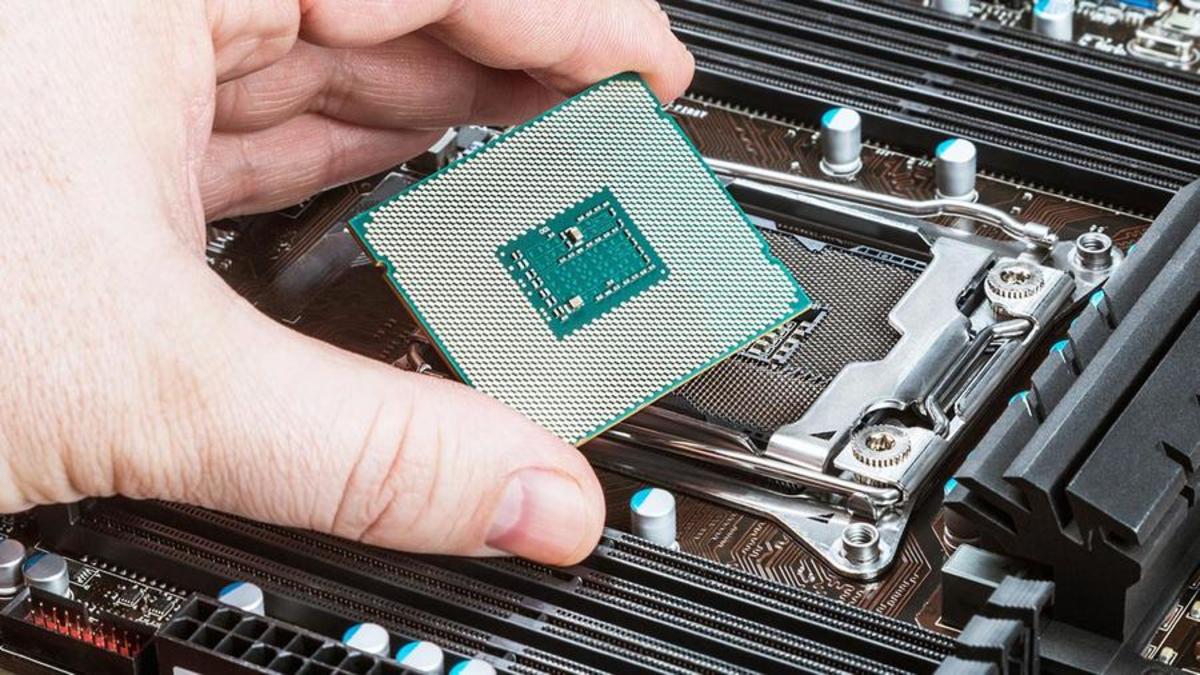 Broadcom’s AI moat continues to widen. — Source: Shutterstock
Broadcom raises its quarterly dividend by 10%
As seen above, dividends accounted for 24% of total gains over the last 10 years, which is exceptional for a high-growth tech stock.
Broadcom has raised the annual dividend for 15 consecutive years. Its annual dividend per share has risen from $0.04 in 2011 to $2.60 in 2026, according to data from Fiscal.ai, indicating a compounded annual growth rate of 32%.
In fiscal 2025, Broadcom increased its free cash flow by 39% year over year. It returned $17.5 billion to shareholders through $11.1 billion in dividends and $6.4 billion in buybacks.
The board also extended the share repurchase program through the end of 2026, with $7.5 billion remaining.
Currently, Broadcom offers shareholders a forward yield of 0.75%, which is unspectacular on the surface.
However, as the tech giant continues to gain traction in the AI segment, the annual dividend payout is forecast to expand to $4.60 per share in fiscal 2030 (ended in October), according to data from Tikr.com.
Broadcom’s free cash flow per share is projected to grow from $26.9 billion in fiscal 2025 to $108 billion in 2030. It means the dividend payout ratio will improve from 42.5% to 20% in this period.
More on Dividend Stocks:
- Procter & Gamble Stock: A Dividend King with a $10 billion payout in fiscal 2026
- 2 Top Dividend Stocks I’d Own Over the Next Decade
- Down 44% from all-time highs, can this blue-chip dividend stock recover in 2026?
Broadcom can easily double its dividend payout and still have enough room to reinvest in organic growth, acquisitions, and strengthen its balance sheet.
The AI infrastructure build-out is far from over
CEO Hock Tan laid out something remarkable on the earnings call. Broadcom ended 2025 with $73 billion in AI-related backlog, which will ship over the next 18 months. That includes custom accelerators, networking switches, optical components, and everything else powering AI data centers.
The math gets even more interesting when you look at the breakdown. About $20 billion of that backlog comes from networking and optical components. The rest? Custom AI chips, or XPUs as Broadcom calls them.
Related: Procter & Gamble Stock: A Dividend King with a $10 billion payout in fiscal 2026
Tan emphasized that his compensation, tied to the company’s 2030 performance, requires AI revenue to exceed $120 billion.
Broadcom did $20 billion in AI revenue in fiscal 2025. Getting to $120 billion in five years implies a compound annual growth rate well north of 40%.
Anthropic, which Broadcom revealed as a major customer, placed $21 billion in orders. That’s $10 billion last quarter and another $11 billion this quarter, all for delivery in late 2026.
Google remains the anchor customer, and the two companies have collaborated on tensor processing units since 2016.
More AI Stocks:
- Morgan Stanley sets jaw-dropping Micron price target after event
- Bank of America updates Palantir stock forecast after private meeting
- Morgan Stanley drops eye-popping Broadcom price target
- Nvidia’s China chip problem isn’t what most investors think
- Bank of America sets AI stocks to buy list for 2026
Then there’s the networking side. Broadcom’s Tomahawk 6 switch delivers 102 terabits per second. It’s the only product of its kind on the market right now.
The company has over $10 billion in backlog for AI switches alone. That’s before counting DSPs, optical components like lasers, and PCI Express switches.
Why margins are a red herring
Yes, selling complete server racks means passing through costs for components Broadcom doesn’t make. That will negatively impact gross margins in the short term.
But Tan addressed this head-on and said:
However, the key is operating leverage. As AI revenue scales dramatically, Broadcom gets more efficient on the operating expense side. Gross margin dollars will grow even as gross margin percentages shrink.
Operating income will continue to climb, driving future cash flow and dividends higher. That’s the profile of a company with a strong conviction in its ability to generate cash.
Wall Street is coming around
Multiple analysts raised price targets following the earnings report, despite the stock selloff.
Morgan Stanley bumped its target to $462 from $443, pointing to 34% upside from current levels. Bank of America lifted its target to $500, up from $460 and Goldman Sachs raised the AVGO stock price target from $435 to $450.
The post-earnings selloff created opportunity, not risk.
Broadcom is a well-diversified tech behemoth. During the earnings call, Han stated:
- The infrastructure software business, anchored by VMware, generated $6.9 billion in Q4 revenue, up 19% year-over-year.
- Total contract value booked exceeded $10.4 billion, up from $8.2 billion a year ago.
- The software business enjoys gross margins of 93% and provides Broadcom with breathing space when semiconductor cycles inevitably turn.
The dividend angle
Here’s what makes Broadcom compelling for dividend investors in 2026.
The company just demonstrated it can raise dividends even while margins face near-term pressure. That shows confidence in the underlying cash flow trajectory.
As AI revenue accelerates through 2026, free cash flow margins of 42% should hold or improve due to operating leverage.
The 15-year track record of dividend increases speaks to management discipline. They’re not chasing growth at the expense of shareholder returns.
And unlike many high-growth tech names, Broadcom pays a meaningful dividend while still investing heavily in R&D.
The company spent $3 billion on research and development in Q4 alone. For fiscal 2025, R&D expenses came in around $11 billion.
That investment is what keeps Broadcom ahead in areas like advanced packaging, where the company is building out capacity in Singapore to address supply chain security for multi-chip accelerators.
The bottom line
Broadcom stock currently trades 16.5% below its all-time high, which provides investors with an attractive entry point.
The AI infrastructure buildout will take years to complete, and Broadcom sits at the center of this megatrend with custom chips, networking gear, and optical components. Moreover, the software business provides stability and margin support.
While the dividend yield is less than 1%, its growth trajectory, combined with the potential for share price appreciation, makes AVGO stock a high-conviction holding.