
A very public standoff has opened up between the White House and one of the world’s biggest oil companies, and it is playing out in real time over Venezuela’s oil riches.
President Donald Trump has said he is “inclined” to keep Exxon Mobil on the sidelines of Venezuela’s reopening after bristling at CEO Darren Woods’ skepticism about rushing back into the country.
The president told reporters on Air Force One that he “wasn’t pleased with Exxon’s response” and added that the company was “being too clever,” according to CNBC and Yahoo Finance.
Woods, for his part, used a White House meeting to describe Venezuela as “uninvestable” under current legal and commercial frameworks. This effectively tells the president that Exxon would not jump in without major changes, as reported by the Financial Times.
Trump’s Venezuela oil play
From the White House’s perspective, Venezuela is supposed to be a fast track to more supply, more influence, and more headline‑friendly investment numbers.
Trump has pressed U.S. oil companies to commit around $100 billion to rebuilding Venezuela’s energy sector, according to CNBC, promising security backing from Washington.
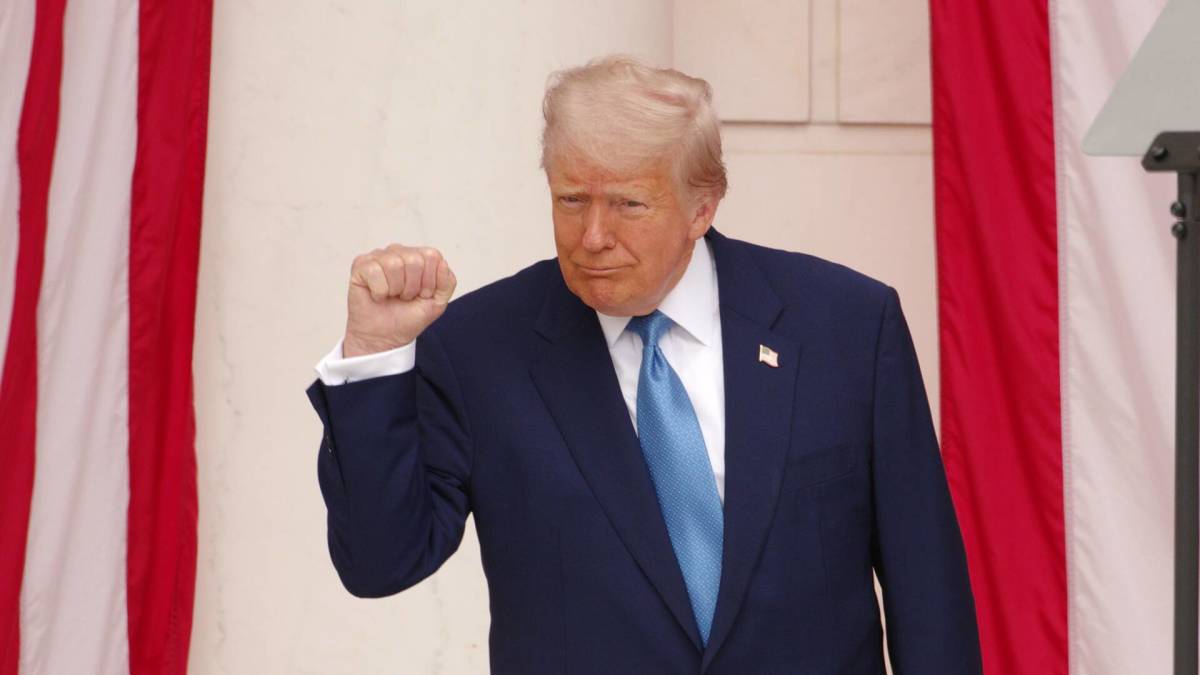 TheWhite House has clashed with Exxon Mobil over the Venezuela oil deal.
“There are many who are eager to get involved,” the president told reporters, suggesting he might lean toward “keeping Exxon out” if the company does not align with his push, according to CNBC and Yahoo.
He has also signed an executive order aimed at shielding Venezuelan oil revenue from being seized in court, a move that Fortune and other outlets say is designed to reassure potential investors that future cash flows will not be grabbed by creditors.
MoreEconomic Analysis:
- CPI inflation data rocks stocks
- Trump’s bold new tax promise has families asking one big question
- Longtime fund manager sends blunt message on P/E ratios
- Mortgage rates tick lower as the Fed trims key rate
- Both high-and low-income holiday shoppers are following this trend
- November BLS jobs data show the good, bad, and ugly
For you as an investor, that combination of political guarantees and high‑level pressure can sound bullish at first glance. In theory, U.S. protection plus access to some of the world’s largest oil reserves could mean decades of production growth, especially if you own broad energy exposure rather than any one stock.
The problem is that the people actually writing checks still have to weigh legal risk, contract stability, and what happens if Venezuelan politics take another sharp turn in a few years.
Why Exxon is pushing back on White House oil plan
Exxon’s caution is rooted in painful history that long‑term energy investors remember all too well.
Venezuela expropriated Exxon’s assets in 2007, leaving the company tied up in arbitration and chasing billions in compensation after it walked away from the country’s oil fields.
If you’ve held the stock over the past two decades, you know this is not some abstract case study; it is a reminder that resource nationalism can turn a promising project into an expensive legal fight.
How markets are reacting to Exxon’s Venezuela hesitance
At the recent White House session, Woods told President Trump that “if we look at the commercial constructs and frameworks in place today in Venezuela, today it’s uninvestable,” according to coverage from CNBC, the Financial Times, and other outlets.
He went further, saying the company would need “substantial modifications” to those frameworks, changes to the legal system and hydrocarbon laws, and “durable” investment protections before contemplating a return.
Woods has said Exxon is willing to send a technical team to evaluate Venezuela’s oil infrastructure, but only once there is clearer progress on reforms, as cited by CNBC. That is the kind of detail that matters to your portfolio: Management is signaling that it will not chase headline deals if the underlying contracts still look fragile.
From an investor’s standpoint, that discipline can limit short‑term upside. It can, however, also help protect against another costly write‑down if politics swing back against foreign operators.
Related: President Trump takes all the credit for a record-setting year
The market has already started to price this clash, even if the moves are modest so far. Exxon shares dipped about 1.1% in premarket trading after Trump’s comments about potentially sidelining the company from Venezuela, based on Yahoo Finance and Investing.com reports.
For a mega‑cap integrated oil company, that kind of move reflects real concern that political friction could limit future growth options or spark ongoing public pressure from Washington.
For shareholders, this is a reminder that geopolitical narratives can move even the most established names in a portfolio. If you hold Exxon inside an index fund, the Venezuela fight might feel like background noise, but if you own it directly, you now have to decide how comfortable you are with management’s slower, risk‑averse approach when the White House is trying to move fast.
Takeaways for shareholders exposed to Exxon or its peers:
- Watch how often President Trump singles out specific companies or CEOs in public comments, because repeated criticism can become a real overhang on sentiment.
- Track whether Exxon’s language on Venezuela shifts in earnings calls or investor days, which would signal that the political calculus or legal assurances are changing.
- Compare management commentary at rivals like Chevron and ConocoPhillips, according to Yahoo Finance, seeing if they are more willing to take on Venezuela risk or echo the “uninvestable” framing.
Each of these actions has a direct line back to how markets value long‑dated reserves versus political and legal risk, something you feel in your long‑term return.
Bottom line for owners of oil stocks, energy ETFs, or broad market funds
When I look at this standoff, I see three big lessons for everyday investors who own oil stocks, energy ETFs, or even broad market funds.
- Resource‑rich countries with weak institutions often dangle huge upside followed by years of volatility, and Venezuela fits that pattern, especially after expropriations and sanctions.
- Political guarantees are not the same thing as enforceable contracts, which is exactly why Exxon is demanding structural reforms before committing fresh capital.
- Headline risk is now part of the valuation story for any company closely tied to a sitting president’s agenda. President Trump’s suggestion that Exxon was playing “too clever” was enough to move the stock, even though nothing about the company’s core operations changed overnight.
If you are a long‑term investor, that should push you to look past the day‑to‑day noise and focus on whether management is consistently making decisions that protect shareholder capital in high‑risk regions.
You do not have to avoid geopolitical risk entirely, but you should price it in. That can mean:
- Limiting single‑stock exposure in politically volatile plays and using diversified ETFs instead.
- Stress‑testing your thesis for scenarios where deals get delayed, contracts are challenged, or governments change course.
- Favoring management teams with a track record of walking away from “too good to be true” opportunities when the legal and political ground is still shifting.
If the White House and Exxon eventually find common ground, Venezuela could become a slow‑burn growth story rather than a sudden windfall.
Until then, the White House-Exxon clash is a useful reminder that the best opportunities on paper are not always the best risks for your real‑world money.
Related: White House teases big move that could shake up your credit cards