
On January 7, 2025, a handful of wildfires erupted in the Los Angeles metro area and raced through several neighborhoods.
Upwards of 15,000 homes and businesses were destroyed, and more than two dozen people were killed, although a University of Helsinki study found that the wildfires contributed to at least 440 deaths.
Total economic damage ranged between $250 billion and $275 billion — and the year had just begun.
Hurricane Melissa roared through Jamaica, Cuba, and the Bahamas; monsoons struck in Southeast Asia; typhoons ripped through the Philippines; and extreme rain and flash flooding ravaged the Hill Country region of Texas — just to name a few extreme weather events that year.
In fact, 2025 ranks as the third-highest year — after 2023 and 2024 — for billion-dollar weather and climate disasters, with 23 such events costing a total of $115 billion in damages, according to Climate Central, a non-profit organization of scientists and journalists.
The Los Angeles wildfires were the costliest event of the year as well as the costliest wildfire on record, the group said.
Severe weather accounted for a record 21 billion-dollar disasters in 2025 — concentrated in a series of spring and summer tornado outbreaks across the central U.S.
Since 1980, the U.S. has sustained 426 billion-dollar disasters, with a total costs exceeding $3.1 trillion, Climate Central said, and the frequency of U.S. billion-dollar disasters has increased dramatically since then “due to the rise in extreme weather and a growing number of people, homes, and businesses in harm’s way.”
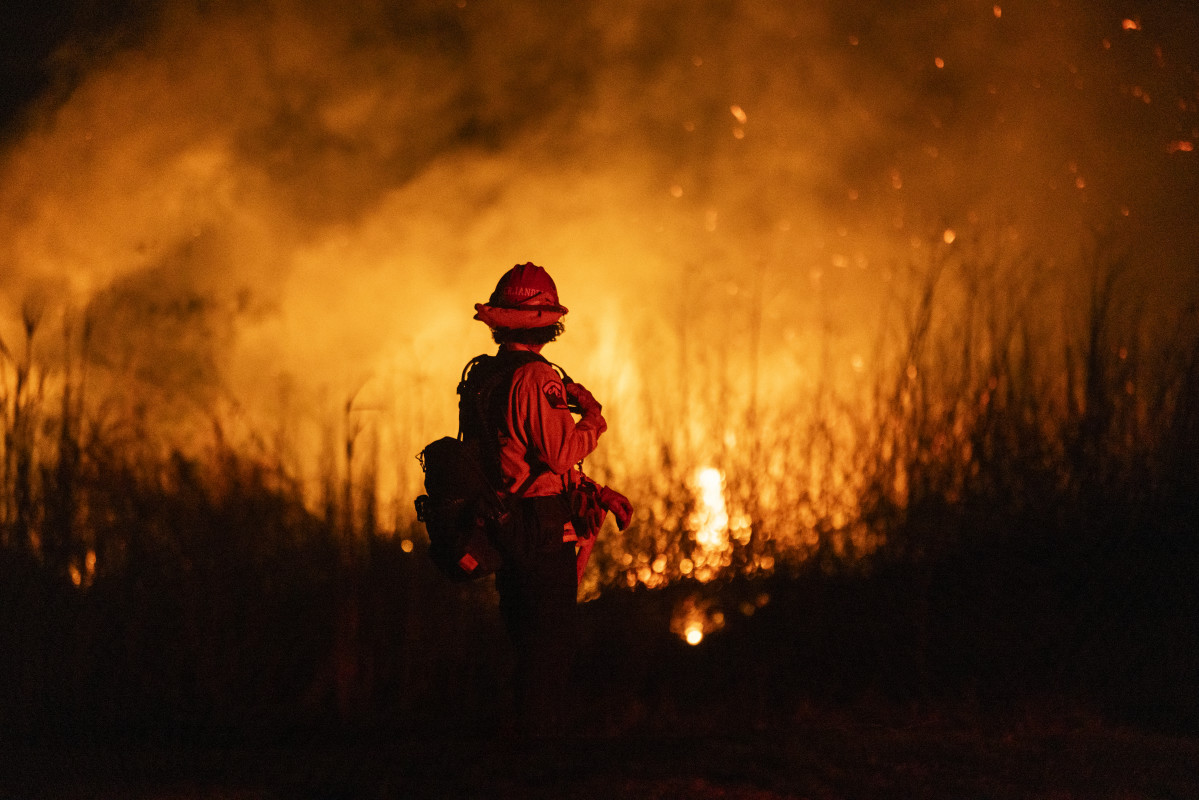 The 2025 L.A. wildfires were the costliest on record.
ETIENNE LAURENT/Getty Images
Billion-dollar disasters increasing
As the frequency of billion-dollar disasters has increased, the average length of time between them has fallen — from 82 days during the 1980s to 16 days during the last 10 years.
And 2025 also ranks as the third-warmest year on record, following unprecedented temperatures observed in 2023 and 2024.
More economic analysis:
- CPI inflation data rocks stocks
- Trump’s bold new tax promise has families asking one big question
- Longtime fund manager sends blunt message on P/E ratios
- Mortgage rates tick lower as the Fed trims key rate
- Both high-and low-income holiday shoppers are following this trend
- November BLS jobs data show the good, bad, and ugly
“If these trends continue, the well-known climate models may not be capturing all of the important changes our studies have revealed,” Joel Myers, Founder and Executive Chair of AccuWeather said in a statement.
Myers said scientists were surprised by the significant decline in rainfall amounts, especially since 1995.
Over the last 30 years, average rainfall has been declining by an average of 1% every 11 years in the U.S., and the rain that does fall is less effective for crop production and maintaining the water supply because it tends to come in shorter bursts.
Additionally, the average relative humidity during the same 30-year period has decreased by 5.3%, or 1.7% per decade.
“This means that the rain that does fall is evaporating more quickly and it is less effective for crop production, water supply, and for filling reservoirs, lakes, and other water sources,” Myers said. “When you combine these two factors, the ‘effective’ average rainfall across the United States seems to be declining by 2% to 3% per decade.”
“This is quite significant.”
Extreme weather also hits the bottom line hard. The World Economic Forum warned last year that these events are no longer confined to their usual seasons, striking unexpectedly and with increasing frequency.
“For cities and tourist destinations vulnerable to extreme weather, the economic consequences and reality are growing harsher: unpredictable storms, infrastructure damage and disrupted economies,” the international think tank said.
Extreme weather hits bottom line
Category 5 Hurricane Otis hit 80% of the hotels in Acapulco in 2023, causing an estimated $16 billion in damage.
“Consider what happens when factories lose their water supply, data centers struggle to cool, offices are submerged by floods or fields are hit by drought,” the forum said.
Related: How cyber warfare is becoming the first strike in modern conflicts
“The reduced efficiency of business property, plant and equipment will show up on balance sheets as costs rise, for instance, through additional repairs, unfulfilled orders and reduced worker productivity.”
Coca-Cola (COKE) has stated in financial filings that changing weather patterns and extreme conditions could increase the cost or impact the availability of key raw materials like sugarcane and sugar beets.
After flooding in central China, the country’s largest automaker, SAIC Motor, warned of the short-term impact on logistics at its plant there, while Nissan said production at its factory had been suspended.
“The costs of climate-related damage will happen every year and will keep getting worse,” the forum said. “While these numbers are concerning, the true impact of climate risks on businesses is likely even greater. The good news is that investing in resilience and adaptation pays off: every $1 spent can generate a return of $2 to $19.”
“The business case is, therefore, clear.”
Some scientists have raised concerns that recent federal policies have reduced funding and staffing for climate and environmental research, potentially limiting the ability to track and respond to extreme weather events.A White House spokesperson emphasized that the administration continues to support scientific research through public-private partnerships and remains the largest funder of research in the country, highlighting ongoing investment in innovation and technology.
Related: Crypto ‘wrench attacks’ surge as thieves use violence to steal digital assets