
The stories are heartbreaking—and there are far too many of them.“I’ve been going through financial issues for years and it’s taking a toll on me,” one person wrote in a Reddit post. “I’m overwhelmed. Unless you have been through it or are going through it, you’ll never understand.”“I’ve been through it,” another poster responded. “It was literally the cause of my anxiety and depression, the only thing in my life that would cause that. It sucks, I know. I’m still going through it.”“My bank account is negative, and I lost 15 lbs. in the last month from not being able to afford food,” a third person commented. “I couldn’t work due to multiple surgeries for six weeks. I get it.”“Surviving on vibes, caffeine, and sheer stubbornness over here,” another said.One commenter observed that the problem is “really understated” and doesn’t go away once you break free of debt.“It basically keeps you in fight-or-flight mode 24/7,” the post read. “My mental health improved a lot once I started making more than I needed. It changes you though—even when you have money, you still get the anxiety and fear that you will go hungry when you buy something that isn’t a necessity.”
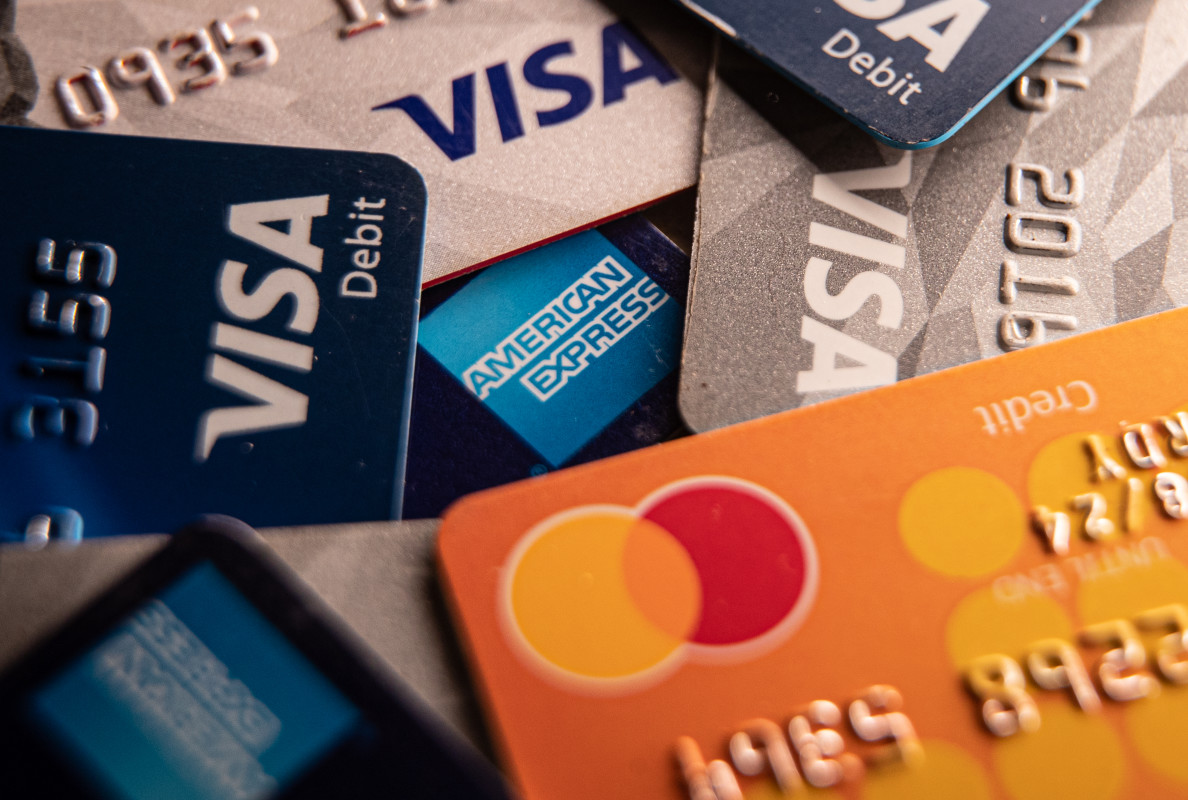 Nearly half of Americans carry credit card debt.
Debt totals are rising
Debt-related health concerns were one of several issues highlighted in a recent WalletHub survey.“Household debt can be a helpful tool for managing major expenses, like buying a home or paying school tuition, but it can also become a significant burden if left unchecked,” the personal finance website said.
More economic analysis:
- Ernst & Young drops blunt reality check on the economy
- Federal Reserve official blasts latest interest-rate pause
- IMF drops blunt warning on US economy
More than one in three people expect their household debt to increase in the next 12 months, the survey said, and nearly half of Americans said their household can’t handle more debt.WalletHub reported that 53% of American households struggle most with credit card debt, followed by mortgages and student loans. The survey also found that 45% of people feel like credit card companies own them.
National debt totals continue to climb. According to WalletHub’s annual household debt report, which adjusts New York Fed figures for inflation, total U.S. household debt rose by $257 billion in 2025—an increase the report described as 810% relative to its 2024 baseline.The average household owed $155,594 at the end of 2025, just $11,639 below the all-time high.
While these totals illustrate the enormous scale of U.S. household debt, the burden is felt most personally by families—nearly four in 10 Americans say their debt is affecting their health, according to WalletHub’s survey.Research underscores this problem.
Come up with a plan for debt
A study by the University of Alabama at Birmingham found that indebtedness was associated with a 90% increase in the odds of being diagnosed with a psychiatric disorder and a 31% increase in the odds of high blood pressure.“Debt has become a prevalent drag on families’ financial well-being and social mobility in the United States since the expansion of predatory lending practices in the 1990s and early 2000s,” said Joseph Wolfe, associate professor in the Department of Sociology and lead author on the paper.
Related: Bank of America CEO drops surprising view on the economy
GreenPath Financial Wellness, a non-profit financial counseling organization, said debt isn’t just a money problem—it’s a public health problem. The group noted that roughly 40 million Americans experience anxiety, often triggered by money worries.
“Debt and stress go hand in hand, showing up as sleepless nights, lost focus, and constant worry—especially with credit card debt,” GreenPath said in a Nov. 6 blog post. “The body’s reaction to financial stress can include racing heart, headaches, shaking, and shortness of breath.”
“Debt-Anger Syndrome” can make people lash out at creditors, employers, spouses, or even themselves, the organization said, noting that it damages relationships and can cause headaches, heart issues, and weakened immunity.
“After anger fades, hopelessness takes over. Low self-esteem can fuel ‘emotional spending,’ deepening the debt-depression cycle and feelings of despair,” GreenPath added.
The group offered several suggestions for people struggling with debt stress, starting with naming your fear, since “avoidance adds anxiety.”
In addition, people are advised to list their debts, which can give them more clarity and control.
“Just having a plan, even a simple one, brings hope,” the organization said. “Debt is not a character flaw; it’s a widespread problem. Be kind to yourself. You’re doing what you can to work through it.”
Related: Big cities plan hiring, AI & expansion in 2026, surveys show