
Coffee-based cafes work because people drink coffee every day.
You might not visit Starbucks or Dunkin’ every single day, but most coffee drinkers rarely go a day without having a cup. I, for example, have days where I opt to make coffee or open a can of iced coffee from the fridge, but it’s a habit, bordering on an addiction, and I can’t remember the last day I actually skipped drinking coffee.
That behavior is widespread. Roughly two-thirds of U.S. adults drink coffee daily, according to National Coffee Association data, making coffee one of the most habitual consumer purchases in the country.
Cookies, on the other hand, might be popular, but they’re not something most people eat every day. They’re an indulgence at a time when many Americans have opted to cut back on discretionary spending.
Being a specialized restaurant chain creates significant problems in a challenged economy.
More Bankruptcy:
- 35-year-old consumer company files Chapter 11 bankruptcy
- Key auto parts and services company files Chapter 11 bankruptcy
- Key travel brand files for Chapter 11 bankruptcy
- Self-driving-car company files for Chapter 11 bankruptcy protection
Industry analysts say that vulnerability is magnified for highly specialized concepts.
“All restaurants have to survive the ever-changing whims of consumers, but it becomes much more difficult when you essentially only sell one thing,” Kevin Schimpf, director of industry research at the Chicago-based food industry consulting firm Technomic, told Forbes.
That has caused the leading cookie chain, Crumbl, to close dozens of stores, and it has led to a Chapter 11 bankruptcy filing for rival, Taylor Chip.
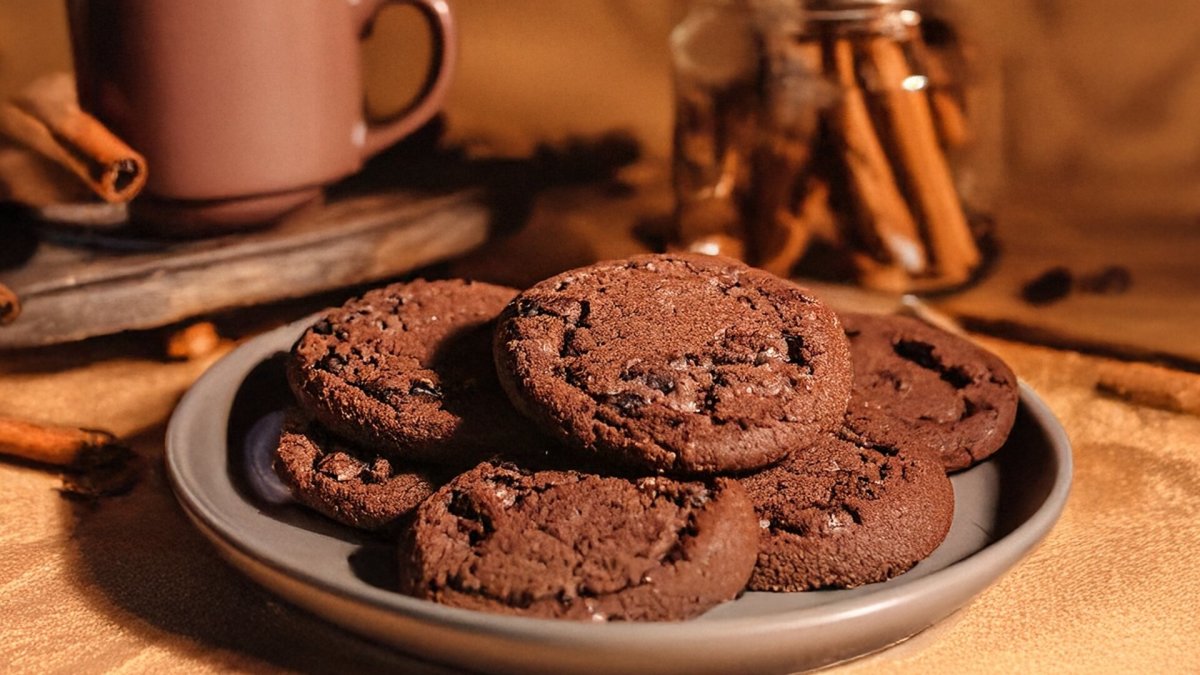 Cookies are a discretionary item.
Shutterstock
Taylor Chip files Chapter 11 bankruptcy
Building a restaurant business around dessert has proven to be very challenging. The list of failed brands offering cookies and cupcakes is long, even though many of these chains had periods of great success.
Here’s just a few of the dessert-based chains that have failed or struggled.
- Crumbs Bake Shop (cupcakes) filed Chapter 11: Cupcake chain Crumbs filed for Chapter 11 bankruptcy after closing dozens of stores and facing financial losses, with investor groups planning to finance a reorganization and reopen some locations, according to legal filings on Kroll.
- Insomnia Cookies ownership changes reflect financial repositioning: While not a bankruptcy, Krispy Kreme’s sale of its remaining ownership stake in Insomnia Cookies for $75 million was part of a strategy to pay down debt and streamline operations, highlighting financial restructuring moves in the cookie segment, Investing.com reported.
- Historical cookie brand bankruptcy, Liz Lovely: Vermont-based artisan cookie maker Liz Lovely filed for Chapter 7 bankruptcy in 2018 amid financial difficulties, illustrating past vulnerability in the cookie business category, according to the Shark Tank Blog.
- Crumbl Cookies has shuttered underperforming shops: Crumbl Cookies, one of the largest cookie franchises in the U.S., permanently closed several shops for the first time amid structural adjustments, signaling stress in the broader cookie chain segment, reported TheStreet.
Now, Taylor Chip, a cookie brand that operates cafes in the Philadelphia area, has become the latest player in this space to file Chapter 11 bankruptcy. The company has closed its Philadelphia-area stores, but hopes to continue remaining retail and digital operations.
“Building something from nothing means taking risks, and not every bet pays off the way you expect,” Doug Taylor, Co-Founder of Taylor Chip, told ABC27. “We’re proud of what we built in Philadelphia, even though it didn’t work the way we hoped. This decision allows us to protect the heart of the brand, take care of our team, and keep building for the long term.”
Taylor Chip Chapter 11 facts:
- Taylor Chip, a Lancaster County bakery and cookie company, filed for Chapter 11 bankruptcy protection and closed its two Philadelphia cookie shop locations, according to PacerMonitor.
- The company said the moves were made to “protect the long-term future of the brand” as it restructures under court supervision, ABC27 reported.
- Taylor Chip expanded rapidly since its 2018 launch but permit delays and related debt in its Philadelphia rollout strained finances, Local 21 News reported.
- The franchised stores in Rittenhouse and Fishtown opened in 2024 but were unable to generate enough profit to offset prolonged expenses, according to Philly Voice.
- While closing city shops, Taylor Chip stated it plans to refocus on existing Central Pennsylvania locations and its online business, added Philly Voice.
Taylor Chip is owned and operated by husband and wife Sara and Doug Taylor, who opened their first Taylor Chip cookie stand in August of 2018.
The struggling economy hurts indulgence brands
Nobody needs to eat expensive cookies. Even people who love cookies can opt to buy them from the grocery store where a package often costs less than a single cookie at chains like Crumbl.
And, as economic pressures rise in the U.S., discretionary spending takes a hit.
“The labor market is cooling, price pressures are dissipating, and U.S. consumers’ willingness to splurge is looking increasingly tapped out,” according to a new report from Morning Consult.
“U.S. consumers are losing their appetite for splurging,” the report said. “Consumers have been deprioritizing discretionary spending on both goods and services, the latter of which had previously been a core driver of expansion.”
McKinsey’s annual Consumerwise report showed that Americans have become more cautious when it comes to spending.
“Discretionary spending intentions softened, with consumers signaling plans to pull back across most nonessential categories,” the McKinsey data showed.