
Amid the war in Iran set off by the joint U.S.-Israeli strike that took down Supreme Leader Ayatollah Khamenei, jet fuel prices in multiple parts of the world have surged.
In Asia, they jumped by more than 72% to $225.44 USD a barrel as Iran’s closure of the Strait of Hormuz threatens the global supply chain.
European prices have also soared by more than 140% to highs unseen since 2022.
Such jumps will inevitably seep into the aviation industry. This has pushed most major airlines to hedge large percentages of their fuel needs into 2027, Reuters reported.
“Higher fuel prices result in a material cut to our forecasts”: Rothschild on American Airlines
In response to rising jet fuel prices, London-based investment firm Rothschild Redburn lowered its price target for American Airlines to $12.50 from $17, downgrading its rating from buy to neutral, Investing.com noted. At $12.46 as of March 5, American Airlines stock is down 20% since the start of 2026 and down 11.57% from a year ago.
“Domestic capacity growth is now accelerating through this year, and the Iran conflict will add disruptive pressures and material fuel cost inflation,” Rothschild Redburn Director James Goodall told CNBC. “Indeed, higher fuel prices result in a material cut to our forecasts and an expectation of substantial downgrades to consensus this year.”
Related: U.S. Embassy tells stranded Americans they are on their own
According to Goodall’s note to investors, jet fuel prices were the primary reason behind the downgrade, while other factors included the airline’s fight with United Airlines for gate slots in Chicago’s O’Hare International Airport, a situation The Points Guy reported.
Goodall writes that American appeared to be on the right path to tackle its $36.9 billion debt burden at the start of 2026, but the breakout of military action in the Middle East risks destabilizing its financial sheets for months to come.
A 10-cent move in the price of jet fuel per gallon, according to Rothschild’s estimates, translates to a change of as much as 25% in the airline’s earnings per share.
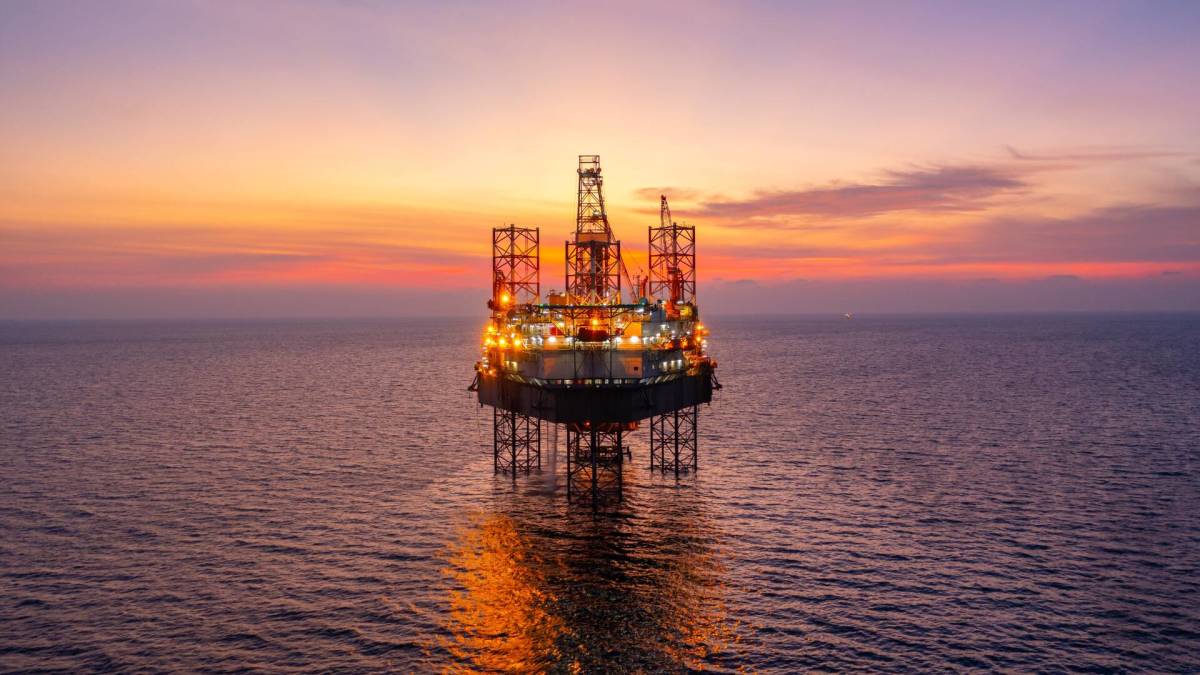 The closure of the Strait of Hormuz is having an immediate effect on crude oil prices.
“This means we see the most downside risk to estimates”
“This, along with pressures facing its network this year — overcapacity in Chicago and some Middle East exposure — means we see the most downside risk to estimates,” Goodall wrote regarding Rothschild’s price target for American Airlines.
With airlines dependent on the price of jet fuel, other carriers will also see a rapid impact on their balance sheets, which is expected to become more pronounced as the war continues.
More Travel News:
- Airline to launch unusual new flight to Cayman Islands from the U.S.
- Iranian strike hits major airport, injuries reported
- Unexpected country is most luxurious travel destination for 2026
- U.S. government issues sudden warning on Switzerland travel
Immediately after the strike on the last day of February, shares of airlines including United Airlines and Delta Air Lines tumbled — in the latter case, down to $64 on March 5 from $71 on Feb. 27. Despite minor rebound over the last few days, shares of all major U.S. airlines remain significantly down from a week ago.
While American is more susceptible to jet prices due to tighter margins and higher per-unit costs, the airline is likely to be a bellwether for further downgrades and earnings revisions in the coming weeks.
Rothschild also predicts that American Airlines will eventually report negative earnings per share in 2026.
Related: Fairmont hotel in Dubai set aflame after Iranian strike