
Devon Energy (DVN) is getting some shocking information from Wall Street. In the middle of a global oil shock tied to the escalating Iran war, the entire narrative seems to be shifting.
The latest catalyst is coming in the shape of a couple of very excellent analyst upgrades. Raymond Jamesraised its price target on Devon to $62 from $52, maintaining an outperform rating. TD Cowenalso lifted its target to $50 from $46 while keeping a hold rating.
What that means is that the analysts are expecting even more upside for a stock that is doing very decently right now after a strong run in 2026.
But the bigger driver is unfolding far beyond company fundamentals.
The ongoing conflict between the U.S., Israel, and Iran is triggering one of the most severe disruptions to global oil supply in decades. At the heart of the matter is the Strait of Hormuz.
Many are scratching their heads as to why the Strait of Hormuz, a small patch of land, is attracting so much attention. However, those in the know understand that it is a critical chokepoint that typically carries about 20% of the world’s oil supply.
Iran has effectively stopped all shipping through the Strait. Because of this, tanker traffic is falling apart, and attacks on ships are rising. That has pushed Brent crude above $100 per barrel, CNBC reported. At one point it reached as high as $126, which is the largest energy-supply shock since the 1970s.
If that was not enough, we are also seeing rising political temperatures within Washington. A major turning point came when Joe Kent, head of the U.S. National Counterterrorism Center, decided to step back from the key post, saying Iran posed “no imminent threat.”
That departure is significant, as it represents the first high-level departure tied to the conflict. For many pundits, it feels like the direction of the war is now in danger. There is now a growing uncertainty regarding the conflict and its potential economic fallout.
For investors, all of this means one thing: Higher oil prices are making energy stocks go up, and Devon is right in the middle of that trade.
Devon Energy is getting help from oil prices and cost discipline
The surge in crude prices is suddenly turning balance sheets upside down for several oil stocks. Previously struggling companies are suddenly seeing their coffers fill up. At the same time, the established players are gaining a further foothold.
Raymond James made it clear that their bullish call was based on the rise in oil prices, which they said was increasing Devon’s upside potential after the Iran conflict. That matters because the company was already doing well in terms of operations.
More Oil and Gas:
- Energy giant sends blunt $20 billion message on dividend growth
- 147-year-old oil giant just raised dividend 4% in 2026
- Top energy stocks to buy amid Venezuela chaos
Devon reported fourth-quarter revenue of $4.12 billion, beating expectations of $4.03 billion, while adjusted EPS came in at $0.82. Analysts also pointed to a 9% free cash flow beat and improved capital efficiency, reinforcing confidence in management’s execution.
Devon Energy is also making significant headway with regard to cost. Devon completed about 85% of its $1 billion optimization plan by the end of 2025 and expects to reach the full $1 billion annual savings target by 2026.
Cost discipline is key for Devon. It means that Devon is not only getting more money from oil, but also becoming a better producer at the same time.
The stock reflects that shift. Shares are up roughly more than 20% year to date and have traded near a 52-week high, while still maintaining a relatively modest P/E ratio around 11, suggesting valuation support remains. If the war continues, the upside will only improve from here.
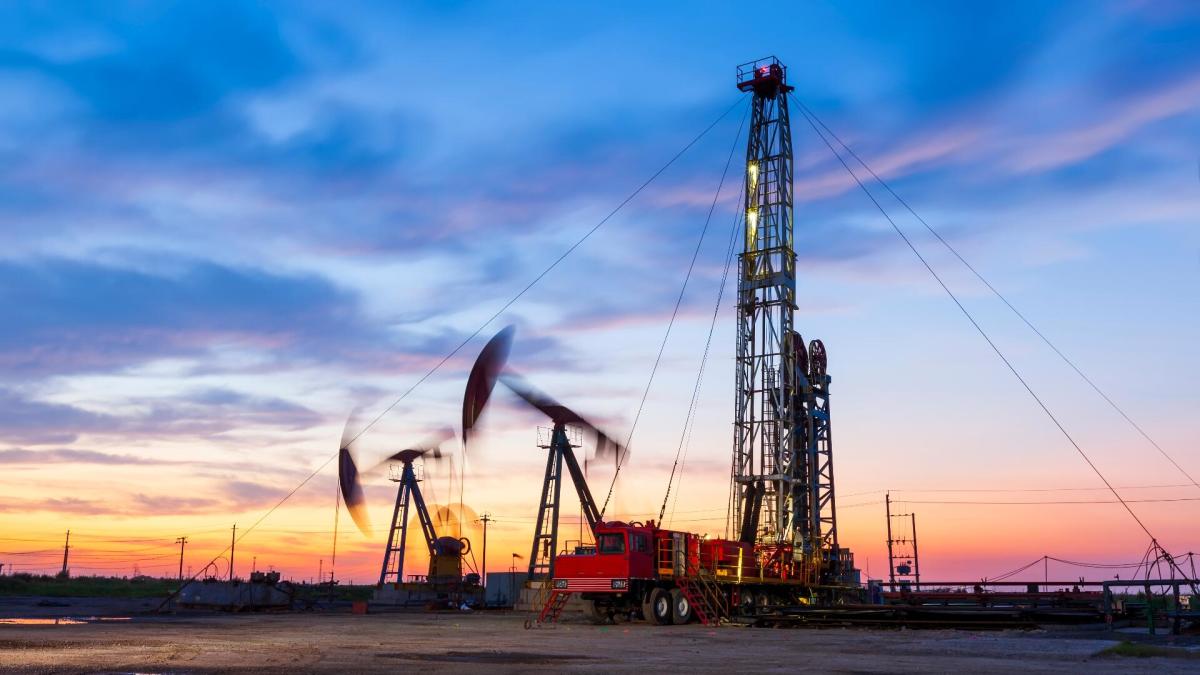 Devon Energy gets shocking new help from the Iran crisis.
Shutterstock
The Coterra merger adds another layer to the Devon story
No one can ignore oil prices right now, but the long-term upside of the company is tied to its planned merger with Coterra Energy (CTRA), slated to be completed in the second quarter of 2026, per Reuters.
Analysts expect the combined company to become one of the largest producers in the Lower 48, second only to ConocoPhillips in output.
Related: JPMorgan’s shocking Iran forecast could change oil’s next move
The deal will save Devon about $1 billion a year by 2027, on top of the already large savings plan, making for a robust financial thesis about higher oil prices, lower costs, and bigger operations.
Still, risks remain.
The geopolitical backdrop for the Iran war is very shaky. While Israel has claimed progress in weakening Iran, the conflict continues to rage within the region, with missile strikes and proxy involvement spreading beyond initial targets. The financial and energy markets are on notice.
Iran has also been using the Strait of Hormuz as a bargaining chip, threatening to keep it closed to put pressure on its enemies and the world economy, leading to an unusual catalyst for the company.
Devon is affected by this uncertainty on both sides. Prolonged conflict could keep oil prices elevated, supporting earnings. But any sudden de-escalation could quickly reverse those gains.
Key takeaways for Devon Energy investors
- Raymond James raised its price target to $62; TD Cowen to $50
- Revenue:$4.12 billion (beat expectations)
- EPS:$0.82
- Free cash flow: Beat estimates by 9%
- Cost savings:$1 billion annual target by 2026
- Merger synergies: Additional $1 billion annually by 2027
- Oil prices: Surged above $100 amid Hormuz disruption
- Macro risk: War escalation and political divisions
The thesis is becoming clearer in the near term. Devon Energy is starting to benefit from one of the most powerful, yet unique and unusual, catalysts in the world: a global energy supply shock.
With oil prices elevated, analysts turning more bullish, and a monumental merger coming up, the stock benefits from multiple growth trends working in its favor.
But ultimately, the biggest variable is one Devon does not control. The path of a conflict that is shocking not only the energy market but also the global economy as a whole.
Related: Chevron, Shell make stunning Venezuela move as Iran crisis deepens