
Goldman Sachs just bumped its U.S. recession probability to 30% from 25%, underscoring how quickly things are moving.
Just weeks ago, the odds were closer to 20%, but now we’re seeing the risk being repriced in real time.
For perspective, the bank isn’t talking about a specific trigger.
Goldman points to a confluence of pressures, including geopolitical tensions, sluggish growth, and fading policy support, all hitting at once.
Perhaps the most urgent catalyst is the oil shock linked to Middle East tensions.
Higher oil prices feed into inflationary pressures while squeezing purchasing power. At the same time, the bank argues that, even before the oil shock, the U.S. economy was edging toward a tipping point.
On top of that, the labor market is showing major signs of fatigue, while fiscal support that cushioned the economy previously is fading, as we see the impact of prior tax cuts and spending rolling off.
It’s important to consider, though, that this isn’t an outright recession call as of yet.
The bank still sees a 70% chance of avoiding one, backed by rate cuts in the back half of the year. But clearly, the narrative is moving from a soft landing to something much more fragile.
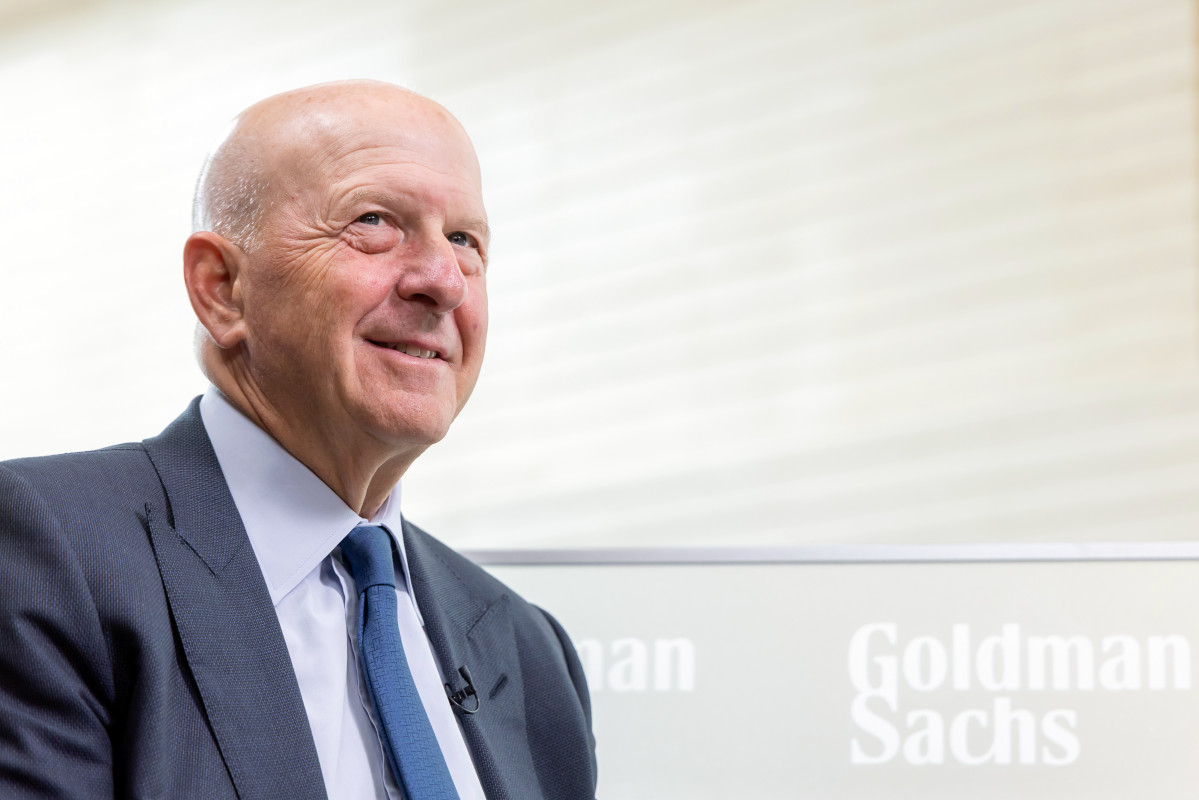 Goldman Sachs updates its recession outlook for 2026, signaling a notable shift in expectations
Photo by Bloomberg on Getty Images
What the latest U.S. data says about growth, jobs, oil, and inflation
- GDP: U.S. real GDP grew at a sluggish 0.7% annualized in Q4 2025.
- Labor: February payrolls dropped by 92,000, while unemployment jumped to 4.5%.
- Oil: Brent climbed from nearly $71 at the beginning of the Iran war to nearly $101 at the time of writing, after recently touching $110.
- Inflation: February CPI ran at 2.4% year-over-year; the latest PCE, the Fed’s preferred gauge, was 2.8%, with core PCE at 3.1% in January.
How oil shocks trigger inflation, slow growth, and raise recession risk
At its core, the macro story boils down to a couple of forces and how they react under duress.
- Goldman Sachs resets oil-price bets as war rages on
- How Fed meeting impacts mortgage rates, housing market
- IMF drops blunt warning on US economy
The Federal Reserve, which controls monetary policy, sets interest rates that determine how easy it is to borrow money.
On the flip side, fiscal policy, driven by the U.S. government, effectively shapes spending and taxation to support economic growth.
After the pandemic hit, both of these forces went into overdrive.
Interest rates were cut to near zero while trillions in stimulus money flooded the economy, paving the way for a powerful rebound, but also planting seeds of sticky inflation.
By 2022, the script flipped.
The Fed was compelled to aggressively raise interest rates to cool the economy, while government support ended, leaving growth much more exposed.
However, the latest oil shock makes things a lot trickier.
Rising energy prices have effectively pushed inflation higher while slowing demand.
Related: Gold’s biggest drop in decades hides a powerful tailwind
That creates a brutal policy trap: the Fed, which would usually slash rates to support growth, has its hands tied because it can’t afford to fuel inflation again.
At the same time, fiscal policy is hampered by high deficits, constricting the government’s ability to step in. For context, the U.S. national debt is at a mind-boggling $39 trillion, as per the latest Treasury data.
That leads to a much more fragile setup, where the traditional stabilizers of the economy have a lot less room to respond.
Latest bank and economist calls on U.S. recession risk
- JPMorgan: Sees 35% recession odds, warning markets are still complacent over a potentially sustained oil shock weighing-down demand and growth.
- Bank of America: Argues that recession risks are underpriced, sounding the alarm that a prolonged conflict could trigger a broader slowdown in the global economy.
- Morgan Stanley: Delayed its first Fed rate-cut call to September (from June), saying that the second-round of oil shocks could weaken market activity and labor markets.
- Moody’s Analytics / Mark Zandi: The veteran economist reset his recession probability at 49%, warning it could easily cross 50% if oil prices remain elevated.
- EY-Parthenon / Gregory Daco: Sees 40% recession odds, with risks rising if geopolitical tensions continue to intensify. Source: Wall Street Journal, Barron’s, Reuters, JPMorgan Chase.
What’s really driving Goldman’s recession reset
Goldman’s shift in recession odds isn’t about just a singular shock, but about multiple pressures converging at once.
Related: Goldman Sachs sends blunt message on Nvidia stock after GTC
In fact, the bank argues that the U.S. economy was already sluggish before the Iran-led oil crisis, before the layered hit from energy, labor, and policy constraints. The obvious result is a far more fragile backdrop.
- Oil shock from Middle East tensions: The Strait of Hormuz disruptions have pushed Brent toward $100+, along with elevated upside risks. The bank warns that higher energy costs will continue to lift inflation, impacting businesses and consumers alike.
- Slowing economic momentum: The bank sees U.S. growth now cooling off to just 1.25%–1.75% in the second-half of 2026, a level close to “stall speed”.
- Labor market softening: Unemployment is forecasted to jump to 4.6%, with hiring already near breakeven levels.
- Fading fiscal support: The boost from previous tax cuts and government spending continues to fade, removing a major layer of support just as risks are rising.
Collectively, Goldman’s message is that the economy is in a far less resilient position than it was just months ago.
The recessions that defined modern U.S. markets
- 1929–1933: The Great Depression, arguably the benchmark for economic collapse in U.S. history.
- 1973–1975: Popularly known as the oil-shock recession, defined by stagflation, skyrocketing energy prices, and a painful slowdown.
- 1980 and 1981–1982: A double-dip downturn, linked to Fed Chair Paul Volcker’s fight with inflation and elevated interest rates.
- 2001: The famous dot-com bust recession, which, despite being milder, turned out to be a major market and business reset.
- 2007–2009: The Great Recession, led by the housing crisis, banking stress, and financial panic.
- 2020: The Covid-led recession, which was the briefest on record but turned out to be the steepest economic shock ever. Source: NBER.
Related: Rivian, Uber robotaxi deal may (finally) kickstart shares