
Amid fierce competition and the increasing popularity of free ad-supported TV (FAST), the goal of streaming giants is no longer just to attract new users, but also to retain those already subscribed.
As much as 23% of the audience consists of serial churners, who rotate services to follow desired content at the moment, according to data from Churnkey.
Moreover, only 2% of U.S. viewers now maintain their subscriptions without evaluating them, with the vast majority actively “auditing” their monthly spend to see if a service is still worth it, reports Attest.
Important features users demand from streaming providers include quality and variety of content, as well as device compatibility. With the average household now having more than 17 connected devices (per ParksAssociates), the ability to switch seamlessly between screens is among the top priorities for streamers.
In fact, while mobile devices remain a dominant choice for streaming, smart TVs are gaining ground.
Devices used for streaming services:
- Smartphones: More than 60% of users access streaming content via mobile devices.
- Smart TVs: Account for around 45% of streaming device usage globally.
- Laptops/Computers:: About 30% of users still prefer watching content on computers.
- Tablets: Tablet usage for streaming stands at around 20% of total streaming device usage. Source: Scoop Market Us
YouTube TV expands its compatibility to hundreds of devices
“Following the market trends and demand, YouTube TV has notably expanded its device compatibility, now offering support across hundreds of smart televisions and streaming players spanning virtually every major consumer electronics brand on the market,” reported Cord Cutters News.
Subscribers can now enjoy YouTube TV content on hundreds of different devices, including major smart TV brands such as Samsung, LG, Vizio, and Sony, but also streaming sticks including Roku, Fire TV, Apple TV, Chromecast, and even gaming consoles like Xbox and PlayStation.
Since YouTube TV is built into many smart TVs, many people can access the service directly through their television without having to buy a separate plug-in device. The service is also available on iPhones, Android phones, and the Google Nest Hub.
Devices that support YouTube TV:
- iOS
- Android TV devices
- Google TV devices
- Samsung TVs
- LG Smart TVs
- Vizio TVs
- Hisense TVs
- Sharp TVs
- Sony TVs
- Chromecast
- Roku devices
- Apple TV devices
- Fire TV devices
- Xbox
- PlayStation
- Nest Hub
- Android Source: Cord Cutters News
Users with older hardware are advised to verify compatibility through the YouTube TV website on their device’s app store before subscribing.
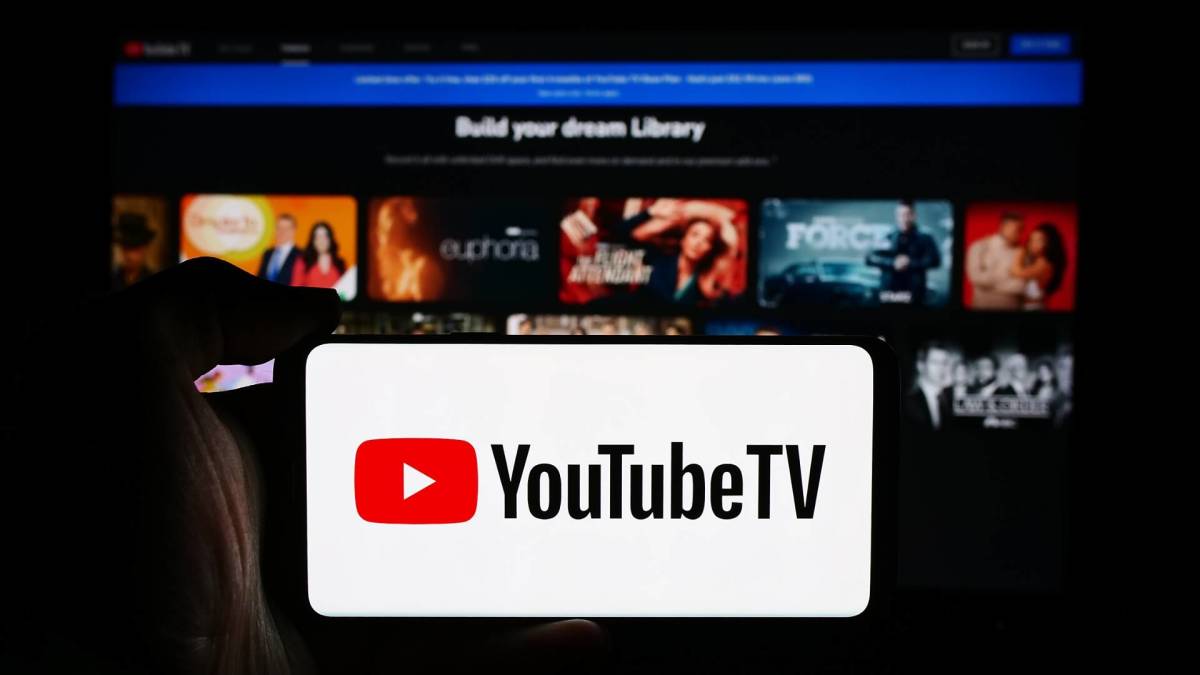 Most smart TV users can access the service directly through their television without having to buy a separate plug-in device.
T. Schneider/Shutterstock
YouTube TV on track to become the largest pay-TV operator in the U.S.
While it is important to note that some older models within each device group may not meet technical requirements for YouTube TV, “the scope of this compatibility expansion is hard to overstate,” points out industry expert Luke Bouma.
“With support now spanning every major smart TV brand, every dominant streaming platform, both major gaming consoles, mobile operating systems, and even smart displays, YouTube TV has positioned itself as perhaps the most universally accessible live television streaming service on the market. For the millions of Americans who have been on the fence about canceling cable, the barrier to entry has never been lower,” Bouma added.
More Entertainment:
- Tubi makes a major move to bring in millions of viewers
- Roku quietly rolls out a major free upgrade for users
- Netflix quietly pulls the plug on millions of devices
Over the past 12 months, the streaming giant has made many service upgrades and launched various deals and promotions. Its moves seem to resonate with subscribers, as December industry data figures suggest YouTube TV is on track to become a dominant player in the U.S. streaming industry.
“YouTube TV will surpass Charter and Comcast to become the largest pay-TV operator in the United States by 2027, marking the first time a virtual pay-TV provider will claim the top position in the market,” according to December 2025 data from Omdia.
YouTube TV’s recent upgrades and milestones:
- Multiview customization: In February 2026, YouTube TV officially rolled out the long-awaited ability for users to build their own “Multiview” combinations, allowing for four custom live streams on one screen, according to prior reporting by TheStreet.
- Enhanced live guide: The platform launched a major redesign of its Live Guide for Android and iOS, featuring a “compact” view and smoother scrolling for faster channel surfing, reported TheStreet.
- Olympic sports expansion: Ahead of the Winter Games, YouTube TV quietly added two dedicated sports channels to its lineup to bolster its live athletic coverage, according to TheStreet.
- Genre-specific skinny bundles: In March 2026, the service officially launched 12 new affordable subscription tiers,including standalone Sports, Entertainment, and News plans starting at $54.99, designed to reduce subscriber churn by letting users pay only for the channel categories they actually watch, according to TheStreet.
Related: Major movie theater chain closes locations, offers refunds