
For years, Amazon has been chasing Elon Musk‘s Starlink in the satellite internet race from a distant second place. A reported $9 billion deal may be about to change the math.
Amazon is in talks to acquire Globalstar, the satellite telecommunications company, in a move that would significantly accelerate its low Earth orbit ambitions, per The Irish Times. Globalstar shares surged 12.36% in premarket trading on the news. Amazon shares fell nearly 2%.
No deal has been finalized. The two sides are still negotiating over some of the complexities of the transaction, and discussions could still shift or collapse. Neither Amazon nor Globalstar has confirmed the talks.
What Amazon would be buying
Globalstar is a low Earth orbit satellite company offering voice, data, and asset-tracking services across enterprise, government, and consumer markets, per Reuters. Its market cap stood at approximately $8.81 billion at its last close before the report broke.
More Tesla:
- Elon Musk’s Terafab bet: what it means for Tesla investors
- Bank of America revamps Tesla stock price
- UBS has a message for Tesla stock investors
The company gained significant strategic value in 2024 when Apple invested $1.5 billion for a 20% stake. As part of that deal, Globalstar reserved 85% of its network capacity for Apple’s satellite-based Emergency SOS texting feature on iPhones. That arrangement makes Apple a key stakeholder in any acquisition, requiring Amazon to negotiate separately with Cupertino.
Globalstar reported full-year 2025 revenue of $273 million, up 9% from 2024, with income from operations of $7.4 million, per The Irish Times. Its stock has risen more than 230% over the past year as takeover speculation built.
Why Amazon needs this
Amazon’s satellite service, now called Leo and formerly known as Project Kuiper, has roughly 180 to 200 satellites in orbit, targeting an eventual constellation of more than 3,200, per Reuters. The gap to Starlink is substantial. SpaceX operates more than 9,500 active satellites and serves over nine million users globally. Starlink generates between 50% and 80% of SpaceX’s total revenue, per Reuters.
Related: Elon Musk’s Next Move Could Reset the Record Books
Amazon is also under regulatory pressure. The company asked the Federal Communications Commission in January for more time to meet a July 2026 deadline requiring it to have launched 1,600 satellites, per CNBC. A launch capacity shortage has been slowing the buildout, per its own regulatory filings, cited by The Irish Times.
Acquiring Globalstar would give Leo an operational satellite network, critical spectrum assets, and existing infrastructure overnight, rather than waiting for its own constellation to scale.
What a deal would change for Amazon Leo:
- Immediate access to an operational LEO satellite network and spectrum licenses
- A foothold in the Apple ecosystem through Globalstar’s Emergency SOS infrastructure
- Enterprise, government, and consumer satellite customers already generating revenue
- Reduced dependence on meeting FCC launch deadlines with its own rockets
The Apple complication
Apple’s 20% stake is the central obstacle in negotiations. Because Globalstar has committed 85% of its network capacity to Apple’s iPhone satellite features, any acquirer effectively inherits that obligation and must reach agreement with Apple on how the relationship continues.
The arrangement puts Apple in an unusually powerful position for a minority shareholder. Amazon and Apple are fierce rivals across multiple markets, from cloud computing to streaming to smart home devices, which adds another layer of complexity to any negotiation.
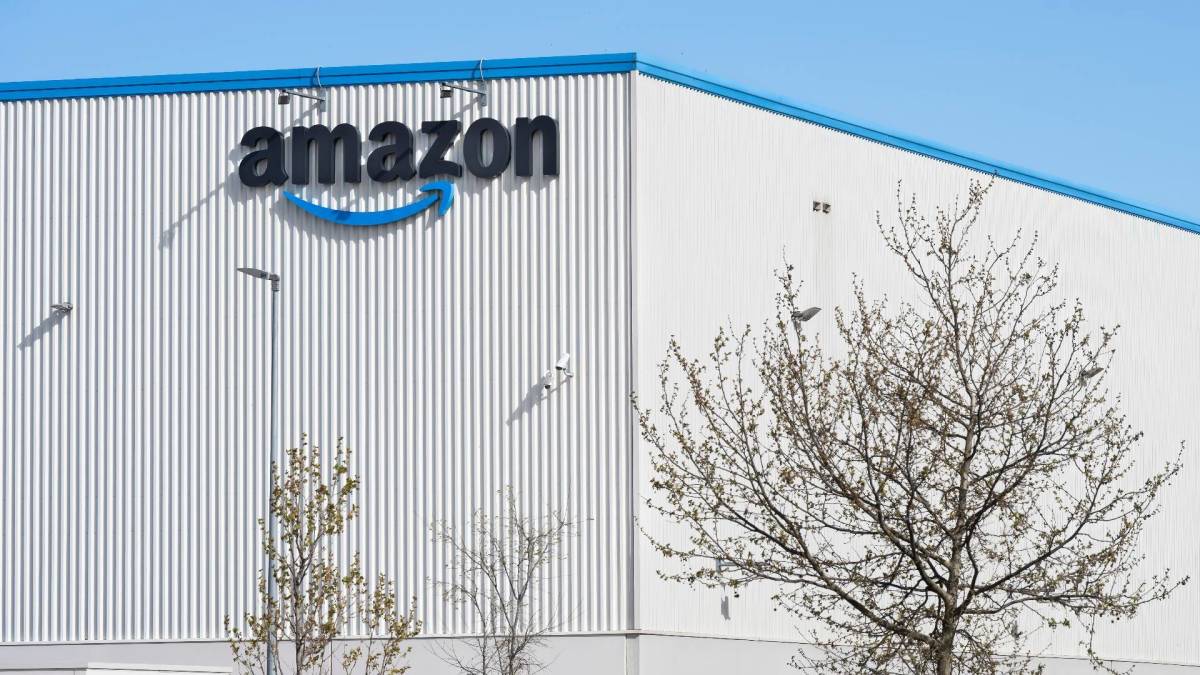 Amazon and Apple are in constant competition.
Lopez/Getty Images
Where Globalstar has been and where it could go
Globalstar was not always a coveted asset. Founded in 1991, it spent years as a niche satellite operator before the Apple partnership transformed its strategic profile. Its stock more than tripled in value over the past year as investors bet it would become a takeover target.
Amazon is not the first major player to circle the company. Bloomberg reported in October 2025 that Globalstar had explored a sale and held early discussions with SpaceX itself, per Benzinga. Those talks did not progress. Globalstar also has existing launch agreements tied to SpaceX’s replacement satellites and third-generation network, which keeps it connected to one of the most important platforms in the satellite economy regardless of who owns it.
Amazon CEO Andy Jassy told investors in February that Leo was one of several “incremental opportunities” the company would pursue, per The Irish Times. The company has already signed deals with JetBlue and Delta to provide in-flight internet services beginning in 2027 and 2028 respectively.
For now, the talks remain unconfirmed and unresolved. But if they close, the satellite internet race that Starlink has dominated for years just got a great deal more competitive.
Related: Elon Musk’s Terafab bet: what it means for Tesla investors