
Summer travel season is weeks away. And one of the inputs that makes it possible is running out faster than airlines, airports, or regulators had prepared for.
The trigger is the Iran war and the effective closure of the Strait of Hormuz, which has choked off the flow of Middle Eastern oil to Europe and Asia. What started as a geopolitical story has quietly become a travel crisis in the making.
What the International Energy Agency is warning
The alarm is coming from the top. International Energy Agency (IEA) Executive Director Fatih Birol told the Associated Press on April 16 that Europe has “maybe six weeks” of remaining jet fuel supplies, according to CNBC. He described the Strait of Hormuz blockade as causing “the largest energy crisis we have ever faced.”
The IEA’s own Oil Market Report confirms the math. If Europe replaces only half of the volumes it normally receives from the Middle East, jet fuel stocks will hit a critical 23-day threshold by June, according to European Business Magazine.
More Travel:
- Disney World reveals troubling 2027 price hikes
- United Airlines quietly cuts free perk
- Popular tourist destination adds ban impacting Americans
Below that level, physical shortages can emerge at airports, triggering flight cancellations and suppressed demand.
Some European countries are already sitting at under 20 days of coverage, well below the 29-day floor that held even through 2020, PBS reported. Some airports have warned of potential shortages within three weeks if the Strait remains closed.
Airlines are already cutting flights due to fuel costs
The industry is not waiting for a full shortage to arrive. KLM confirmed it would cut 160 flights next month, roughly 1% of its total European routes, citing “rising kerosene costs” and routes that are “no longer financially viable to operate,” according to Euronews.
EasyJet said it expects a pretax loss of £540 million to £560 million for the first half of its fiscal year, partly driven by elevated fuel costs, Euronews noted. British Airways and Lufthansa are also reporting disruptions, with fuel surcharges rising sharply across U.K. carriers.
Asian carriers are feeling it, too. Cathay Pacific, AirAsia X, and Air New Zealand have begun trimming routes and introducing heavy fuel surcharges, Newsweek noted.
International Air Transport Association (IATA) Director General Willie Walsh expects cancellations across Europe by the end of May, following a pattern already visible across parts of Asia, according to European Business Magazine.
The scale of flight disruption already underway
The flight cuts are not minor. More than 150,000 international flights have been removed from global schedules between March and June 2026 compared to pre-war projections, according to Newsweek.
Air travel generates 851 billion euros in gross domestic product for European economies each year and supports 14 million jobs, according to airport industry body ACI Europe, CNBC reported. A disrupted summer season threatens not just individual trips, but also a significant slice of Europe’s economic output.
Key figures on the jet fuel crisis and its travel impact:
- Europe has “maybe six weeks” of jet fuel left, IEA Director Fatih Birol told the AP, according to CNBC.
- Stocks hitting the 23-day critical threshold by June is possible if only half of Middle East supply is replaced, European Business Magazine reported.
- Some European countries are already below 20 days of jet fuel coverage, according to PBS.
- More than 150,000 international flights cut globally between March and June 2026 vs. pre-war schedules, Newsweek noted.
- KLM is cutting 160 flights next month due to rising kerosene costs, according to Euronews.
- Jet fuel makes up roughly 30% of airline operating costs, according to IATA.
- Air travel supports 14 million jobs and generates 851 billion euros in GDP across Europe annually, ACI Europe confirmed.
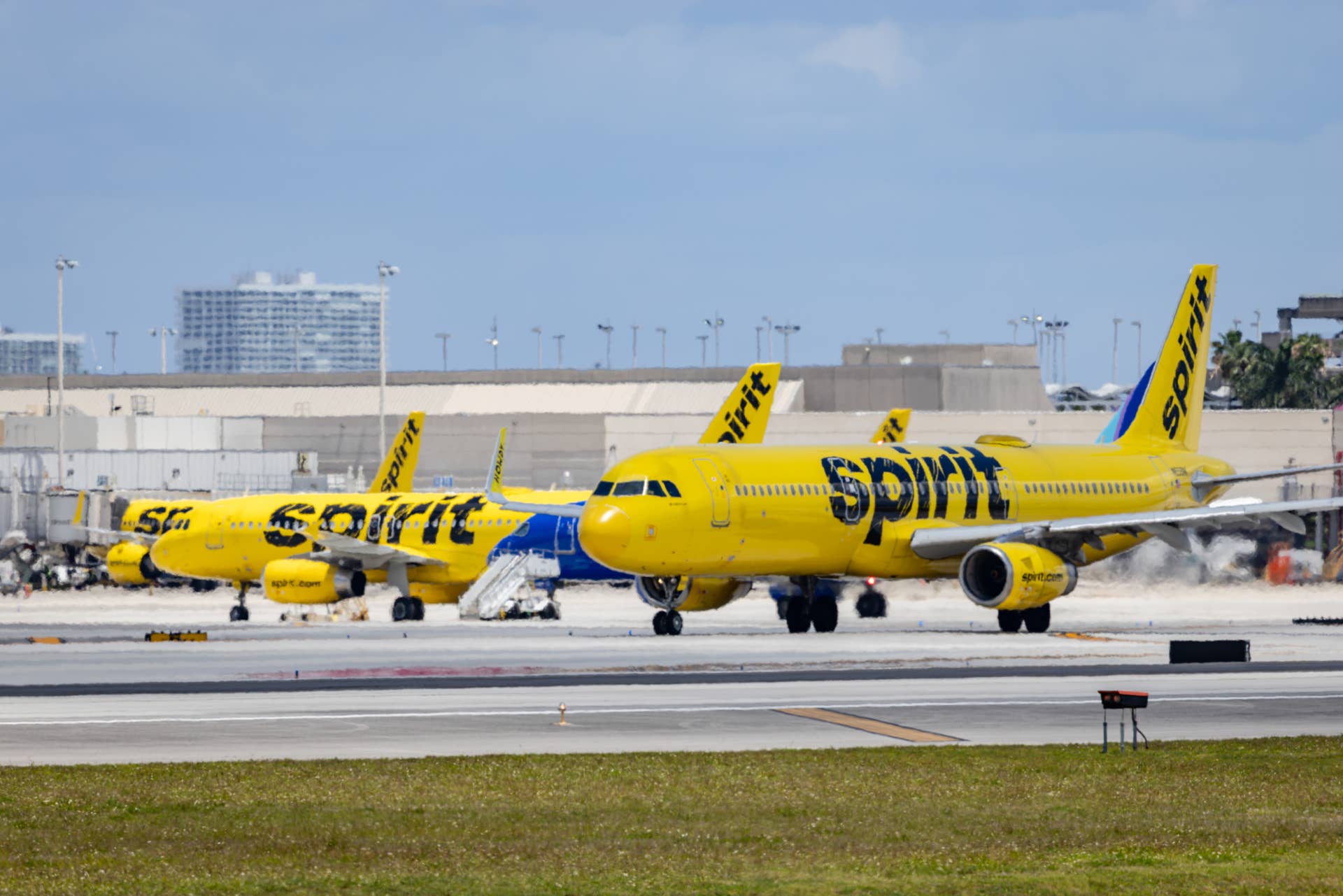 A jet fuel shortage could cause a crisis for summer travelers.
Uzcategui/Getty Images
How regulators are responding to the airline fuel squeeze
The European Commission has pushed back on the IEA’s framing, with spokesperson Anna-Kaisa Itkonen describing the market as “tight” but stopping short of declaring a shortage. From next month, Brussels will introduce EU-wide mapping of refining capacity and measures to ensure existing production is fully utilized, according to European Business Magazine.
European airlines have asked the EU to improve monitoring of jet fuel supplies and consider joint purchasing of kerosene. The EU is also considering waiving slot rules, which normally require airlines to use a set percentage of their takeoff slots, so carriers can cut flights without losing future rights to those routes.
What American travelers should know about potential fuel shortages
The United States faces a lower immediate risk of a domestic fuel shortage. But American travelers are not insulated. Jet fuel is one global market, and pressure on European supply ripples through transatlantic routes, connecting flight options, and international pricing.
About one-fifth of Europe-Asia demand and 10% of North America-Asia demand travels via the Middle East and is at risk, according to a Tourism Economics report cited by Euronews. Delta Air Lines has already joined a growing list of U.S. carriers raising checked bag fees as fuel costs rise, PBS noted.
Analysts also note that increased imports from Africa and the U.S. are unlikely to fully replace what Europe normally draws from the Middle East. Fuel-handling consortia that feed into airports do not always maintain long-term stocks, and many airports keep limited reserves on hand, according to RTE.
That structural gap is what makes the situation harder to fix quickly, even with goodwill from alternative suppliers.
What travelers should do now
Travel specialists are urging consumers to book sooner rather than later. Tighter supply typically pushes fares higher and reduces flexibility the longer travelers wait. Routes through Europe and the Middle East carry the most exposure right now.
Understanding cancellation and rebooking policies before buying a ticket also matters more than usual this season. Different carriers offer very different levels of help when disruptions stem from operational issues rather than weather. Knowing what is and is not covered could save significant time and money if schedules shift.
If cuts deepen as June approaches, travelers with rigid itineraries on high-risk routes will have the fewest options. This may start as a fuel story. But for millions of people planning summer trips, it is quickly becoming something much more personal.
Related: United Airlines CEO makes stark warning about ticket prices