
It may be hard to believe now, but a few decades ago secondhand shopping carried a stigma.
Filling your wardrobe with finds from Goodwill or Buffalo Exchange often said something about your household’s income level — one shopped at resale stores out of economic necessity, not personal style preference.
But, oh, how times have changed.
These days, secondhand shopping is the preferred option for many consumers. Almost half (47%) of millennial and Gen Z shoppers say they prefer secondhand shopping over traditional retail, according to one study by customer acquisition company CouponFollow.
While many (48%) say rising costs are what initially drove them to resale, finances aren’t the only reason they’re buying used. In fact, the current economics of the secondhand market often make resale just as expensive as traditional retail.
Which is why ThredUp, H&M, and dozens of other companies have joined forces with the Ellen MacArthur Foundation to petition Washington for better resale rules.
Why fashion brands say resale is at a disadvantage
In May, nearly 70 fashion and textile companies, including big names like Arc’teryx, Etsy, H&M Group, Lacoste, Primark, Reformation, ThredUp, and Vinted, came together to sign a statement urging governments in the U.S., E.U., and Canada to implement targeted changes that would make resale more profitable.
The companies argue that the current system is stacked against circular business models, making producing new clothes more profitable than reselling and repairing existing fashions.
The companies are pushing for three concrete policy changes:
- Reduced VAT in the EU and eliminated sales tax in North America on resold products and repair services.
- Lower labour taxes in the EU and tax credits in North America for businesses creating jobs in resale and repair.
- Extended Producer Responsibility (EPR) to fund the infrastructure needed to collect and sort clothing at scale.
“Resale keeps products in use while meeting customer demand for more affordable and sustainable choices,” H&M Group’s Chief Sustainability Officer Leyla Ertur said in a statement accompanying the letter. “But today, this business model is still economically penalized.”
“If governments are serious about circularity, they need to act by removing double taxation, reducing labour costs, and removing other barriers that hold resale back,” she continued. “Fixing the economics of resale is one of the fastest and most concrete ways to scale circularity in fashion.”
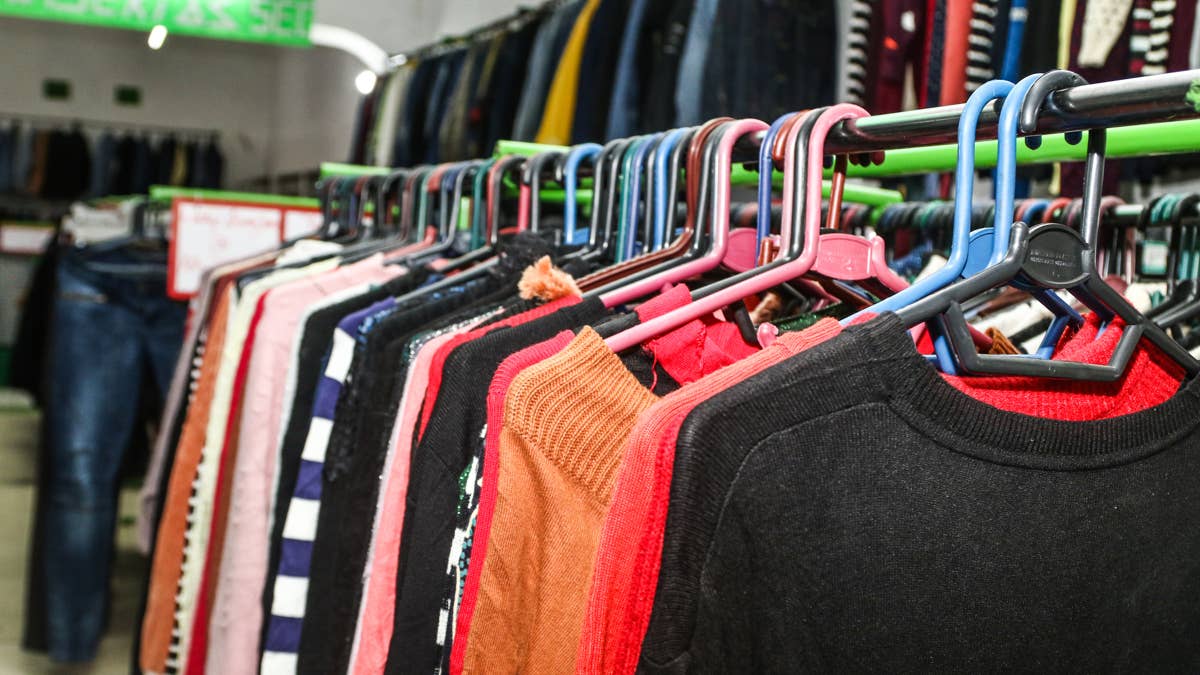 ThredUp, H&M, and dozens of other companies have signed a letter urging governments to institute policies that would make resale and repair more economically viable.
Getty Images
Resale is growing faster than traditional retail
The statement comes at a pivotal moment for the resale market.
In April, I covered ThredUp’s 2026 Resale Report, which found that the global secondhand market has become a $393 billion industry, accounting for 10% of total apparel spend.
“Resale is no longer just growing, it’s taking direct market share,” ThredUp’s CEO James Reinhart said in a statement at the time. “In 2025, the U.S. secondhand market grew nearly four times faster than the broader retail clothing market.”
In order for the secondhand market to continue that growth, it has to be economically viable for both companies and consumers.
More retail:
- Dollar Tree beauty aisle becomes unexpected viral hit
- Target sees unexpected shift in customer behavior
- Beloved fashion brand makes surprising Shein move
If the retailers petitioning Washington get their way, the proposed policy changes could raise gross profit margins to up to 55% for resale and around 41% for repair.
Supporters argue the current system effectively taxes secondhand goods multiple times while making new clothing cheaper and easier to produce at scale. That imbalance, they say, discourages repair and resale even as consumers increasingly embrace secondhand shopping.
Beyond financials, the proposed changes would also help circular business models to scale, creating local jobs in repair, sorting, logistics, and retail, while reducing carbon emissions and pressures on overstretched waste systems.
“Businesses are incentivised to use new resources rather than invest in keeping clothes in use for longer, “Mark Buckley, fashion and textiles lead at the Ellen MacArthur Foundation said. “Our research shows targeted policy adjustments – using existing policy levers – could materially improve the economics and unlock a multi-billion dollar opportunity.”
Younger consumers are embracing secondhand shopping
Resale’s growth isn’t being driven by cost alone. Younger consumers are consistently turning to secondhand purchases as a way to access premium and luxury brands, reduce waste, and find unique pieces that fit their personal style.
Discretionary spending budgets are shrinking, but younger consumers’ preference for high-end brands hasn’t changed. Instead of buying new items directly from designers, millennial and Gen Z shoppers are heading to platforms like ThredUp and TheRealReal for gently used, authenticated luxury items.
A big part of secondhand shopping is the thrill of the hunt. Some 61% of consumers told CouponFollow that they feel more excited finding a desired item secondhand than they do buying it new. This remains true across luxury and non-luxury purchases.
There are other emotional and personal reasons consumers are consistently choosing to shop secondhand. Around 20% of consumers told CouponFollow they choose resale because it makes them feel environmentally responsible, and 17% say it best allows them to express their own personal style.
All told, nearly one-third of shoppers say that secondhand shopping has become part of their identity, not just a money-saving habit.
Secondhand shopping is here to stay. At this point, making it more economically viable seems like not just a smart move, but an urgent one.
Related: Costco made a key credit card change cardholders won’t like